
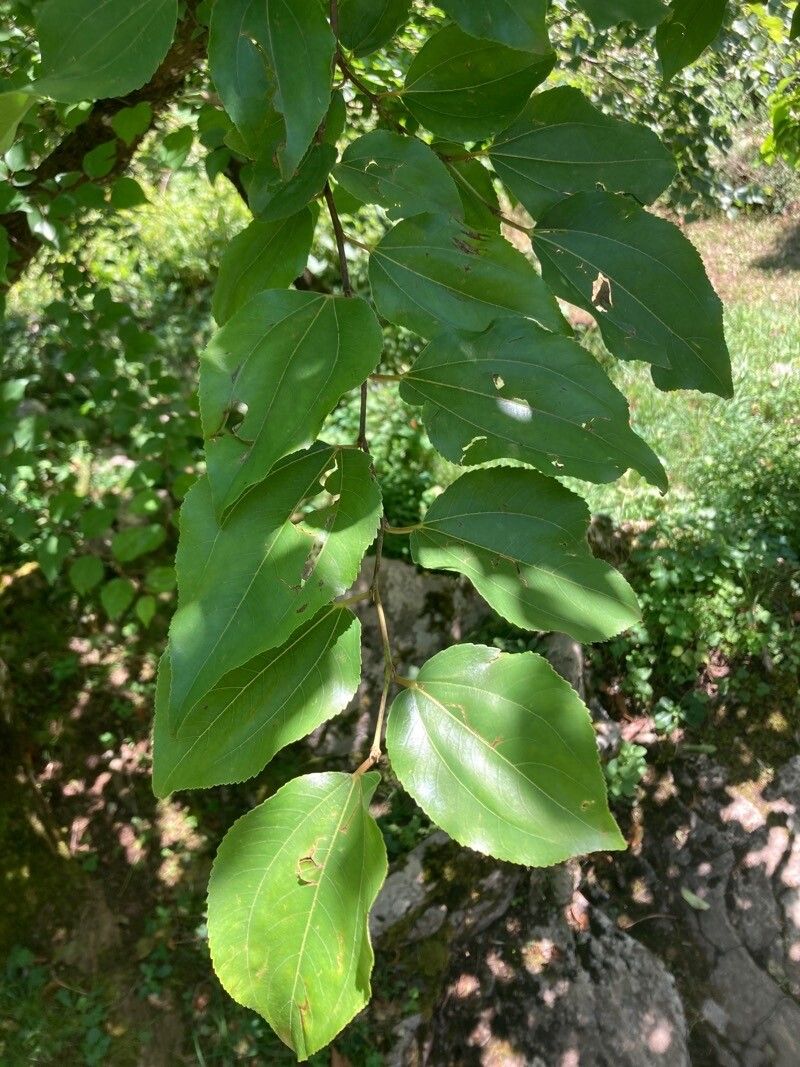
Taming the Buffalo Thorn: A Guide to Propagating Ziziphus mucronata
The Buffalo Thorn, or Ziziphus mucronata, is a remarkable tree with a rugged charm. This hardy species, native to Southern Africa, boasts striking thorns, delicate foliage, and an abundance of tiny, sweet fruits. While its hardiness and adaptability make it a popular choice for landscaping and erosion control, many wonder: how can I propagate this resilient beauty?
Don’t let the Buffalo Thorn’s defenses intimidate you! This guide will demystify the propagation process and equip you with the knowledge to cultivate this fascinating tree.
Two Paths to Success: Seed vs. Cuttings
There are two main methods for propagating Ziziphus mucronata:
Seed Propagation: This method, while rewarding, demands patience and a touch of green thumb magic.
- Collecting Seeds: The journey begins with sourcing ripe, brown fruits from an established tree. Inside each fruit lies a hard stone, which houses the seed. Crack these open carefully to reveal the treasure within.
- Pre-treatment: Buffalo Thorn seeds are notoriously tough nuts to crack. To increase germination rates, consider these pre-treatments:
- Scarification: Gently rub the seed coat with sandpaper to allow water penetration.
- Soaking: Submerge the seeds in warm water for 24 hours.
- Sowing: Plant the treated seeds in a well-draining potting mix, about an inch deep. Keep the soil moist but not waterlogged. Patience is key, as germination can take several weeks to months.
Propagation from Cuttings: This method offers a faster route to establishing your Buffalo Thorn, bypassing the longer germination period.
- Taking Cuttings: Select healthy, semi-hardwood cuttings (about 6-8 inches long) from the current year’s growth. Ideally, take cuttings in early morning during the cooler months.
- Preparing the Cuttings: Remove the lower leaves, leaving 2-3 pairs at the top. Dip the cut end in rooting hormone powder to encourage root development.
- Planting the Cuttings: Plant the cuttings in pots filled with a well-draining potting mix. Keep the soil consistently moist and provide indirect sunlight. With proper care, roots should develop within a few weeks.
Nurturing Your New Generation
No matter which method you choose, young Buffalo Thorns thrive in warm, sunny locations with well-drained soil. Water them regularly, especially during the first year, and fertilize them in spring with a balanced fertilizer.
Adding Resilience to Your Landscape
Propagating Ziziphus mucronata might require a touch more effort compared to other species, but the rewards are worth it. By mastering these techniques, you’ll not only cultivate these stunning trees but also contribute to preserving a species that plays a vital role in its native ecosystem. So why not embrace the challenge and add a touch of the African wild to your own backyard?