
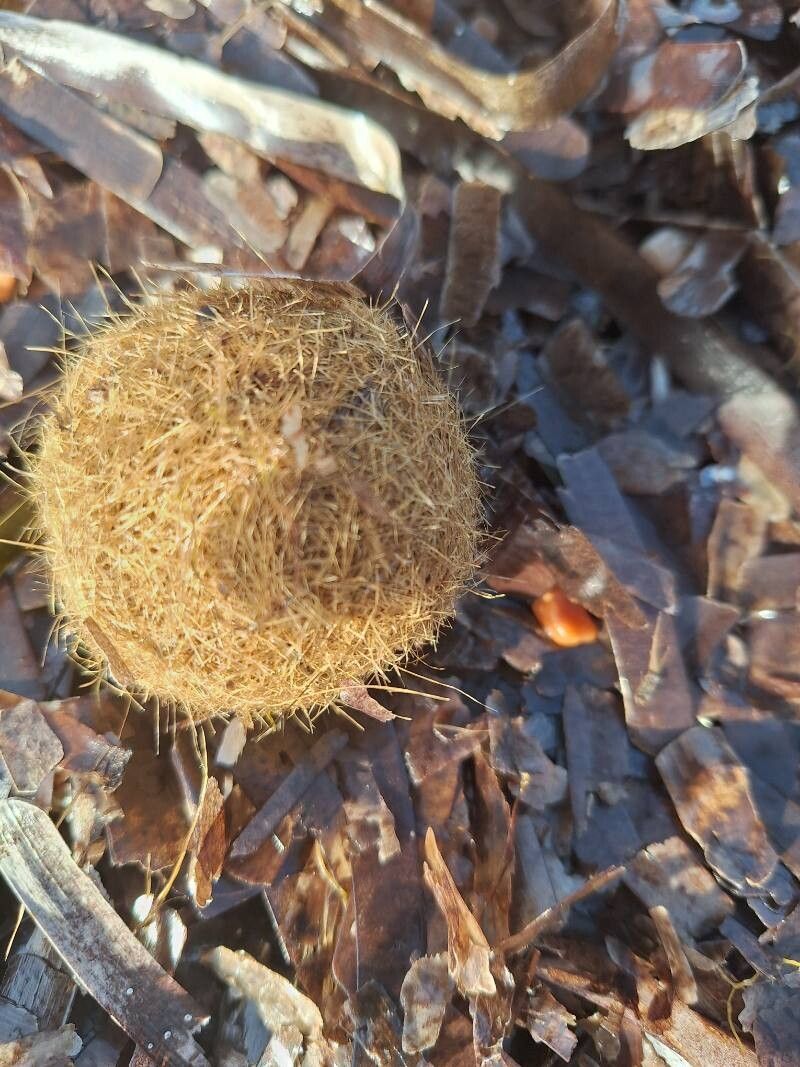
Seeding the Future: The Challenges of Propagating Neptune Grass
The ocean floor is a world of hidden wonders, teeming with life that rivals anything we see on land. One such marvel is Posidonia oceanica, commonly known as Neptune grass. Found in the Mediterranean Sea, these vibrant green meadows aren’t just pretty to look at – they are the lungs of the sea, playing a vital role in the marine ecosystem. But with their existence under threat, scientists are racing against time to unlock the secrets of their propagation.
Unlike seaweed, Neptune grass is a flowering plant, a distant relative of the grasses we see on land. Over millennia, it adapted to life underwater, forming extensive underwater meadows that provide shelter and sustenance to a diverse array of marine creatures. These meadows are also crucial carbon sinks, absorbing and storing vast amounts of carbon dioxide, making them essential allies in the fight against climate change.
However, pollution, coastal development, and warming waters are decimating these precious ecosystems. That’s why understanding how Neptune grass reproduces and grows is critical for conservation efforts.
Natural propagation of Neptune grass mainly occurs through two methods:
- Sexual reproduction: Just like their terrestrial counterparts, Neptune grass produces flowers, fruits, and seeds. The flowering process is erratic and depends on environmental factors, but once it occurs, the release of seeds offers a chance for the meadow to expand its reach.
- Vegetative reproduction: This is the more common method, where the plant spreads via its rhizomes – underground stems that grow horizontally and sprout new shoots. While effective for maintaining existing meadows, this method is less successful in colonizing new areas.
The challenges of artificial propagation are considerable. While Neptune grass can be grown in controlled environments like aquariums, replicating the complex conditions of the seabed for large-scale restoration projects is a different ball game altogether.
The seeds, for instance, are sensitive to light and temperature fluctuations, and require specific sediment types to germinate successfully. Similarly, transplanting rhizomes is a delicate process, demanding meticulous care to ensure their survival.
Despite the difficulties, there is hope. Several initiatives across the Mediterranean are making strides in Neptune grass restoration. Researchers are experimenting with different techniques, such as:
- Collecting and germinating seeds in controlled environments before transplanting them into degraded areas.
- Developing underwater nurseries where young plants can grow before being transferred to their final destination.
- Using artificial structures to encourage the natural colonization of Neptune grass.
While these methods are still in their early stages, they offer a glimmer of hope for the future of Neptune grass meadows. Restoring these underwater forests is not just about saving a single species – it’s about preserving the invaluable ecosystem services they provide and ensuring the health of our oceans for generations to come. By supporting research efforts and adopting sustainable practices, we can all play a part in safeguarding this underwater treasure.