
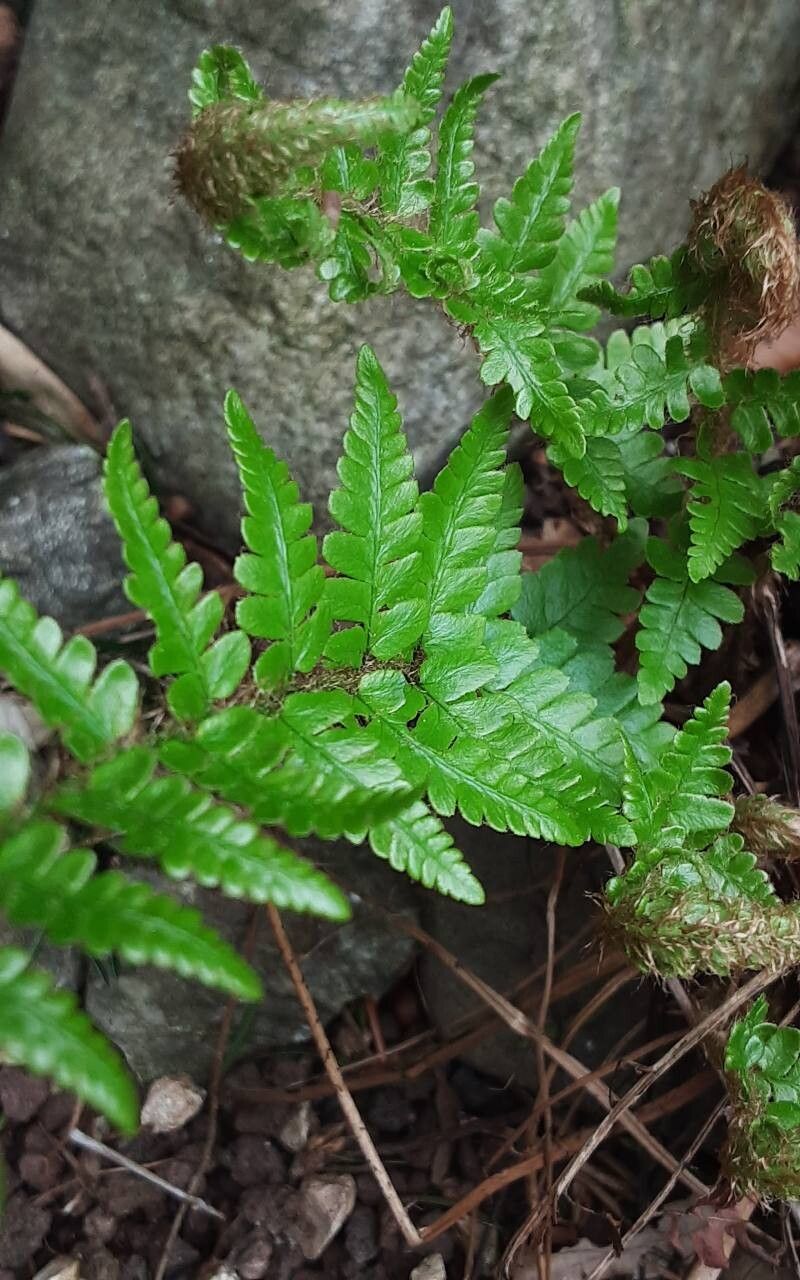
Unfurling the Secrets: Propagating the Majestic Dryopteris Cambrensis Fern
The Dryopteris cambrensis, more affectionately known as the Scaly Male Fern or Welsh Wood Fern, is a sight to behold. With its imposing size and delicate, lacy fronds, this fern brings a touch of prehistoric charm to any shady garden. While acquiring a mature specimen is always an option, the satisfaction of propagating your own fern is unmatched.
Though seemingly complex, propagating these ancient beauties is easier than you might think. Let’s dive into the two most effective methods:
Method 1: Division – A Tried and True Technique
Best Time: Early spring or late fall, when the plant is entering or ending its dormant period.
Tools of the Trade:
- Sharp, sterilized knife or garden shears
- Fresh potting mix suitable for ferns (well-draining and slightly acidic)
- Pots with drainage holes
The Process:
- Carefully lift the fern from its container or the ground, loosening the soil around the roots.
- Identify healthy sections of the root system with abundant fronds.
- Using your sterilized tool, separate these sections ensuring each has a good portion of roots and fronds attached.
- Pot each division into a container filled with fresh potting mix, ensuring the crown of the fern (where the roots meet the fronds) sits level with the soil surface.
- Water thoroughly and place the newly potted ferns in a shady location, protected from harsh winds.
Pro Tip: Misting the fronds regularly helps maintain humidity and promotes healthy growth.
Method 2: Spore Propagation – A Test of Patience and Skill
Best Time: Late summer to early fall when spores are mature. You can identify mature spores by their dark, almost black color.
Tools of the Trade:
- Sterilized knife or spoon
- Small paper bag
- Seed starting mix
- Shallow trays or pots with drainage holes
- Plastic wrap or a humidity dome
The Process:
- Locate a healthy frond with mature spore cases (sori) on the underside.
- Carefully scrape the spores from the frond using a sterilized tool into a paper bag.
- Fill the tray or pot with moist seed starting mix.
- Sprinkle the spores evenly over the surface of the mix, avoiding overcrowding. Do not bury them.
- Mist generously, cover the container with plastic wrap or a humidity dome, and place it in a warm, shady location.
- Germination can take several weeks to months. Be patient and maintain consistent moisture. Once the prothalli (small, heart-shaped structures) develop, mist less frequently.
- When small ferns appear, gradually acclimate them to lower humidity before transplanting them into individual pots.
Pro Tip: Sterilizing your tools and using clean, fresh materials are crucial to prevent fungal contamination.
Patience is Key
Regardless of your chosen method, remember that propagating Dryopteris cambrensis requires patience. The rewards, however, are well worth the wait. Watching a new fern unfurl its fronds, a testament to your nurturing, is a truly rewarding experience for any plant enthusiast.
So, go forth and multiply these verdant wonders. Your shady haven awaits its transformation into a lush, prehistoric haven.