
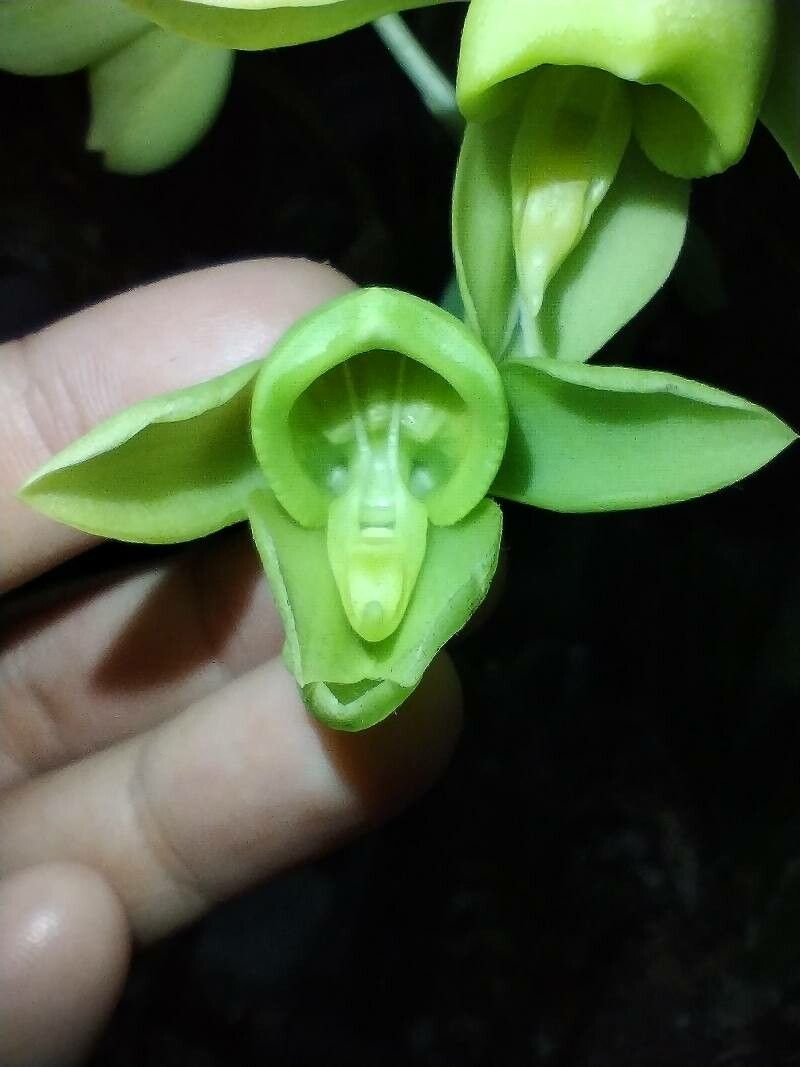
Taming the Jungle Jewel: A Guide to Propagating Catasetum hopkinsonianum
The Catasetum hopkinsonianum, with its vibrant, almost otherworldly blooms, is a captivating addition to any orchid enthusiast’s collection. Often nicknamed the “Black Orchid” for its dark, velvety petals, this dramatic flower captivates with its unique beauty. But its allure isn’t just skin deep. This intriguing orchid presents a thrilling propagation challenge, one that, once mastered, grants you the satisfaction of witnessing nature’s magic firsthand.
While propagation may sound intimidating, don’t let the scientific term scare you away. Essentially, it means creating new plants from existing ones. This can be achieved through various methods, each with its own advantages and success rates. For the Catasetum hopkinsonianum, we’ll focus on two primary methods: division and back bulbs.
Division: Separating for Success
This method involves carefully dividing a mature plant, ensuring each section has enough healthy roots and pseudobulbs (those swollen, bulb-like structures at the base of the leaves). Timing is crucial here. Ideally, divide your Catasetum hopkinsonianum when it’s actively growing, usually during spring or early summer.
Here’s a step-by-step guide:
- Unpot and Observe: Gently remove the plant from its pot and inspect the root system. Healthy roots will be firm and white or light green.
- Identify Division Points: Look for natural divisions in the rhizome, the horizontal stem connecting the pseudobulbs. Aim for sections with at least 3-4 healthy pseudobulbs each.
- Make the Cut: Using a sterilized blade, carefully cut through the rhizome at the identified points.
- Potting Your Divisions: Plant each division in a well-draining orchid mix, ensuring the base of the pseudobulbs is level with the potting medium.
- Water and Wait: Water sparingly until new growth emerges, indicating successful establishment.
Back Bulbs: Second Chances at Beauty
Catasetum hopkinsonianum orchids, like many of their brethren, produce back bulbs, older pseudobulbs that have lost their leaves. While they may seem dormant, these bulbs hold the potential for new life.
Here’s how to utilize them:
- Identify Viable Back Bulbs: Choose plump, firm bulbs with no signs of rot or disease.
- Prepare the Bulb: Gently remove any dried sheath or dead roots attached to the bulb.
- Potting Medium: Place the bulb horizontally on top of a moist, well-draining orchid mix. Do not bury the bulb; simply ensure good contact.
- Patience is Key: Place the pot in a warm, humid location with bright, indirect light and maintain a consistent moisture level. This process requires patience as it may take several months for new growth to appear.
Essential Tips for Success:
- Sterilization is Key: Always sterilize your cutting tools with rubbing alcohol before and after use to prevent the spread of diseases.
- Patience, Young Padawan: Propagating orchids, especially from back bulbs, is a waiting game. Don’t be discouraged if you don’t see immediate results.
Mastering the art of propagation opens up a world of possibilities for orchid enthusiasts. While Catasetum hopkinsonianum requires a bit more attention than some other orchids, the reward of seeing your own propagated plants thriving is well worth the effort. So go forth, embrace the challenge, and watch in awe as you help these captivating jungle jewels multiply their magic.