
Taming the Snapdragon’s Shy Cousin: A Guide to Propagating Misopates Orontium
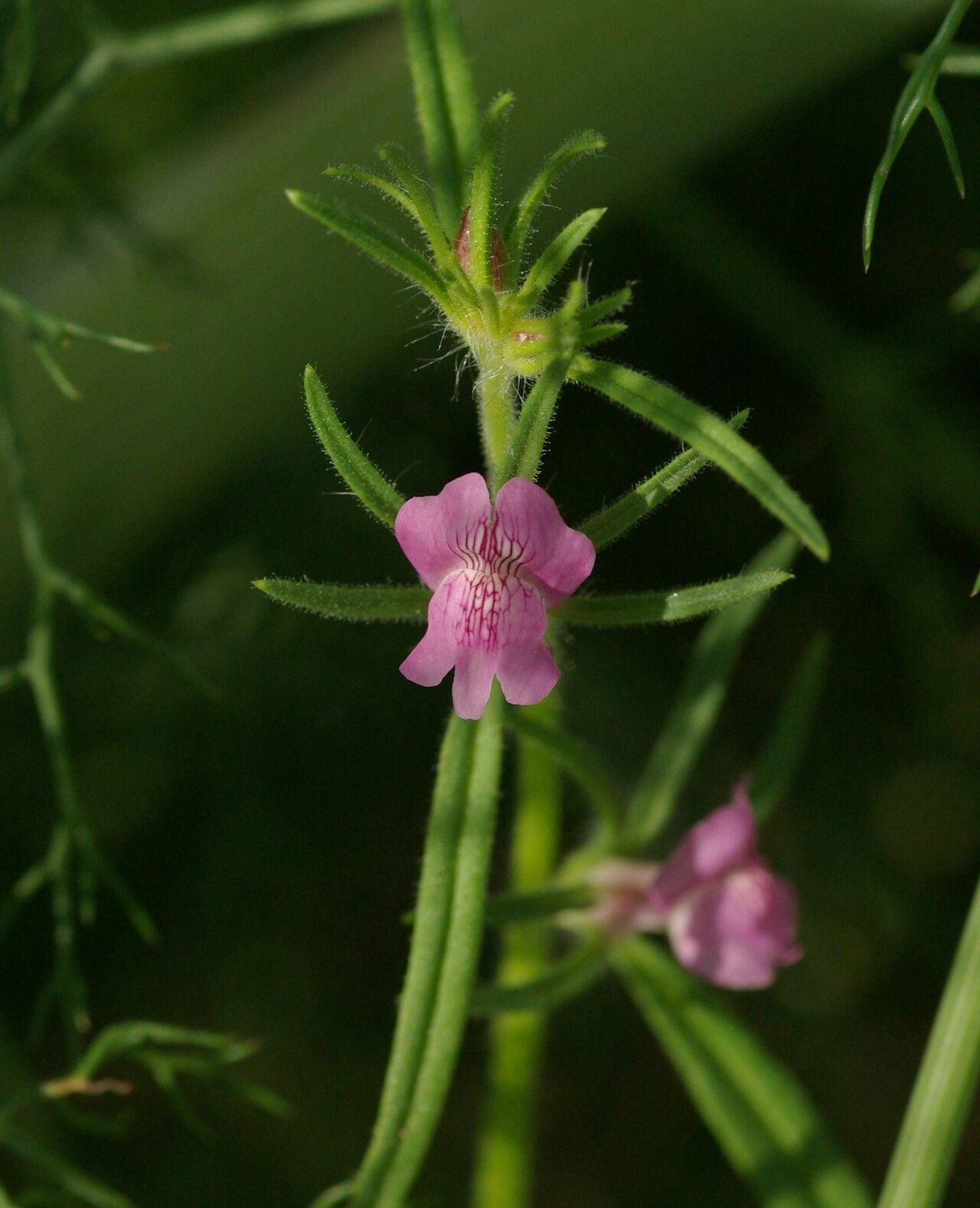
Most gardeners know the common snapdragon (Antirrhinum majus) with its vibrant blooms and playful “snapping” flowers. But fewer are acquainted with its charming, albeit more understated, relative, Misopates orontium – commonly known as lesser snapdragon or weasel’s snout. While the flowers are smaller and less showy than its flamboyant cousin, this annual plant offers a unique charm with its delicate pink to purple blooms and intriguing seed pods that resemble a weasel’s nose.
Intrigued? The good news is that Misopates orontium is surprisingly easy to propagate, making it a rewarding addition to any wildflower meadow, cottage garden, or even a simple container display.
Seeding Success: Direct Sowing for a Natural Look
The simplest and most effective way to propagate Misopates orontium is by sowing seeds directly outdoors:
- Timing is Key: Aim to sow your seeds in spring (after the last frost) or in early autumn. Spring sowing encourages more abundant blooms, while autumn sowing allows plants to establish themselves for a head start the following year.
- Location, Location, Location: Choose a spot with well-drained soil that receives full sun to partial shade. Misopates orontium is adaptable and can tolerate poor soil conditions, making it an excellent choice for challenging areas.
- Sowing with Care: Lightly rake the soil surface and scatter the seeds evenly. You can lightly press the seeds into the soil, but avoid burying them deeply, as they need light to germinate.
- Patience is a Virtue: Depending on the temperature and humidity levels, germination usually takes 1 to 3 weeks. Keep the soil consistently moist but not waterlogged during this time.
Thinning for a Flourishing Display:
Once your seedlings emerge and develop a few sets of true leaves, it’s time to thin them out to prevent overcrowding and encourage healthy growth:
- Spacing is Crucial: Aim to leave approximately 8-12 inches between each plant. This spacing allows for adequate air circulation and prevents competition for resources.
- Gentle Removal: Rather than pulling seedlings out, use sharp scissors or pruners to snip them off at the soil level. This minimizes disturbance to the remaining plants.
Embracing Self-Sowing:
One of the delightful traits of Misopates orontium is its ability to self-sow. If you prefer a less controlled, more natural look, simply leave some of the seed pods on the plants at the end of the season. The following year, you’ll be greeted by a new generation of Misopates orontium adding charm to your garden.
Beyond Direct Sowing: Starting Indoors for an Early Start:
While direct sowing is the easiest method, starting Misopates orontium indoors a few weeks before the last frost can give you a head start:
- Sowing in Seed Trays: Fill seed trays with a well-draining seed starting mix and sow the seeds as you would directly in the garden.
- Providing Light and Warmth: Place the seed tray in a warm, bright location. A sunny windowsill or under grow lights is ideal.
- Transplanting with Care: Once the seedlings are large enough to handle, and the last frost has passed, harden them off by gradually acclimating them to outdoor conditions. Then, carefully transplant them into their final location in the garden.
With their delicate beauty and easy care, Misopates orontium is a rewarding and charming addition to any garden. And with these simple propagation techniques, you’ll be able to enjoy their unique charm year after year.