
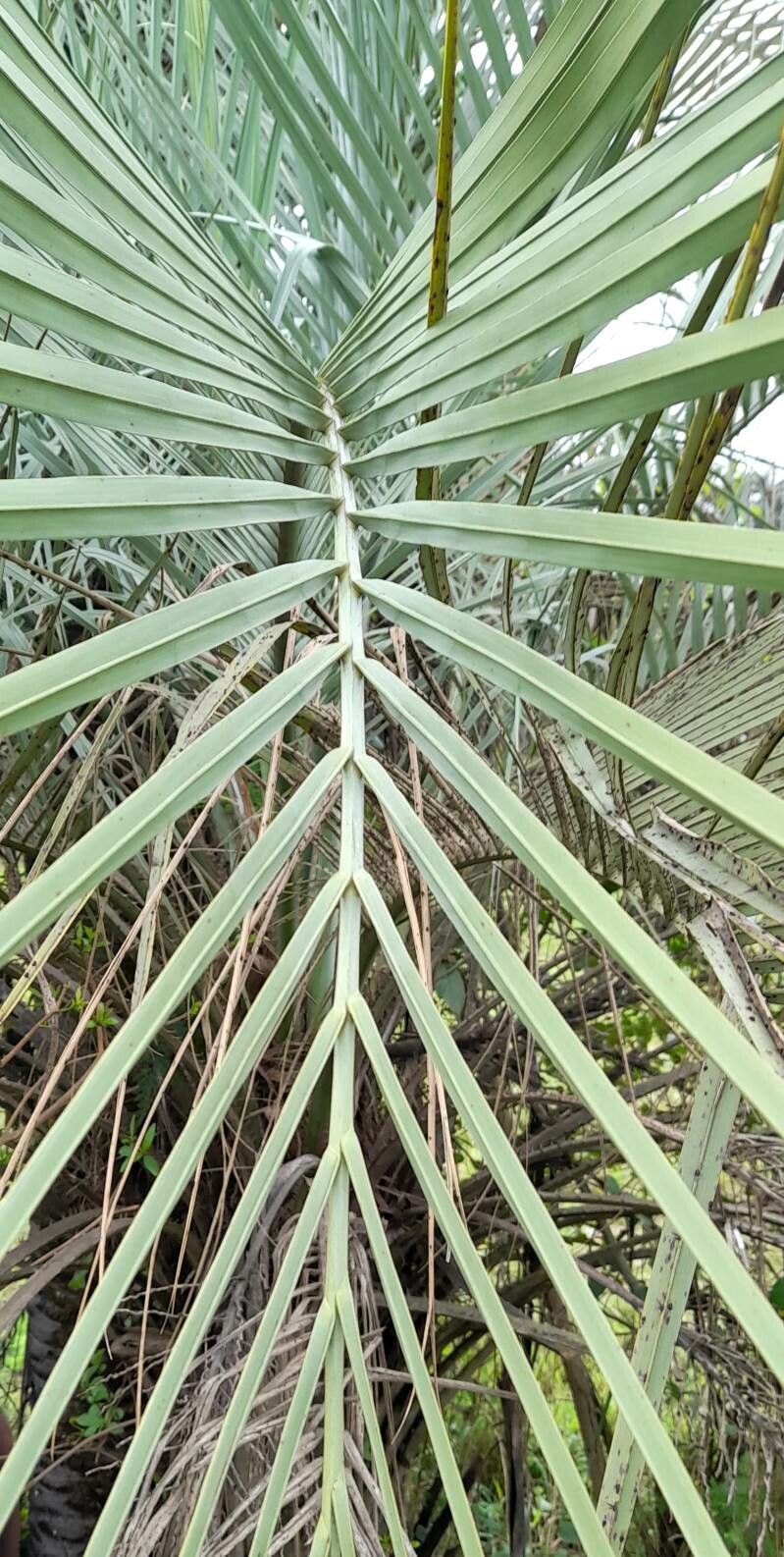
Cracking the Code: How to Propagate the Majestic Butia Noblickii Palm
The Butia noblickii, also known as the Pindo or Jelly Palm, is a sight to behold. With its feathery fronds, graceful arching trunk, and clusters of sweet, edible fruits, this South American native adds a touch of tropical elegance to any landscape. But what if you want to multiply your majesty? Propagating Butia noblickii might seem like a task for expert gardeners, but fear not! With a little patience and the right know-how, you can successfully grow new palms and spread the Butia beauty.
Two Paths to Palm Paradise: Seed vs. Offsets
There are two primary methods for propagating Butia noblickii:
1. Seed Propagation: A Test of Time and Patience
Starting Butia noblickii from seed is the most common and economical method. Here’s how:
- Harvesting Seeds: Collect ripe fruits from an established palm. Ripe fruits will be orange to reddish-brown and slightly soft to the touch.
- Seed Preparation: Remove the fleshy pulp surrounding the seed. A quick soak in water can help loosen the pulp. Let the cleaned seeds air dry for a day or two.
- Sowing: Plant seeds about an inch deep in a well-draining seed starting mix. Keep the medium consistently moist but not waterlogged.
- Patience is Key: Germination can take anywhere from a few months to a year or even longer. Be patient and continue to provide warmth and moisture.
2. Offset Division: A Quicker Route to New Palms
Butia noblickii occasionally produces offsets, or pups, at the base of the main trunk. These offer a faster way to get new palms:
- Timing is Everything: The best time for offset division is during the active growing season, ideally in spring or early summer.
- Careful Removal: Carefully dig around the base of the offset to expose its root system. Using a sharp, clean knife or pruning shears, separate the offset from the mother plant, ensuring it has a good portion of roots attached.
- Potting Up: Plant the offset in a well-draining potting mix, burying the base at the same depth it was growing previously.
- Aftercare: Keep the newly potted offset in a sheltered location with indirect light and maintain consistent moisture while it establishes roots.
Essential Tips for Success:
Regardless of the propagation method you choose, these tips will boost your chances of success:
- Warmth is Key: Butia noblickii seeds and offsets need warmth to thrive. A consistent temperature of around 70-85°F (21-29°C) is ideal for germination and root development.
- Well-Draining Soil: A well-draining soil mix is crucial to prevent root rot. Amending your soil with perlite, vermiculite, or sand can improve drainage.
- Indirect Sunlight: While Butia noblickii prefers full sun once established, young plants and offsets benefit from indirect sunlight, especially during the initial stages.
- Be Patient: Growing Butia noblickii from seed or offsets takes time. Don’t be discouraged if results aren’t immediate. With consistent care and patience, you’ll be rewarded with new additions to your palm paradise.
Propagating your own Butia noblickii is a rewarding endeavor. With a little understanding and dedication, you can enjoy the satisfaction of watching these majestic palms flourish, all while expanding your plant family and sharing the beauty with others.