
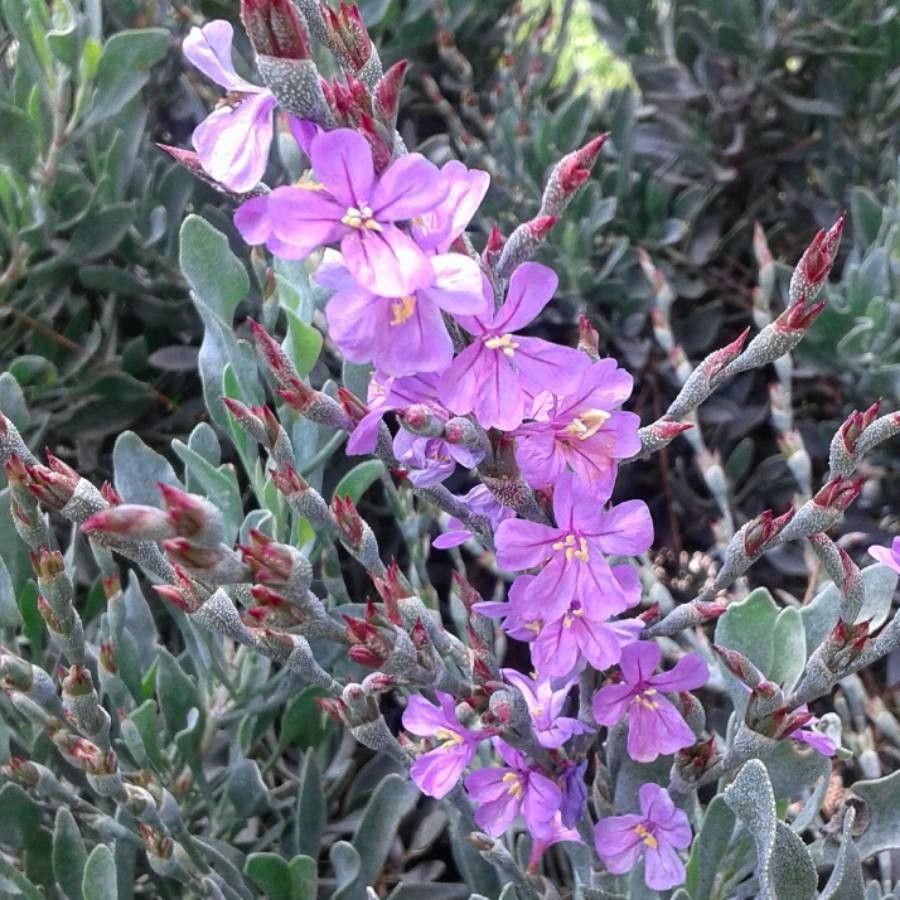
Unlocking the Secrets to Propagating Stunning Sea Lavender (Limoniastrum monopetalum)
Sea Lavender (Limoniastrum monopetalum), with its clouds of delicate purple flowers and remarkable resilience to harsh conditions, is a gardener’s dream. But how do you go about getting more of this beautiful Mediterranean plant? Let’s unlock the secrets of propagating Limoniastrum monopetalum and bring a touch of the coast to your garden.
Two Roads to Propagation:
1. Seed Starting: A Journey of Patience and Reward
While slightly less predictable, growing Limoniastrum monopetalum from seed offers a rewarding challenge and a chance to witness the plant’s entire lifecycle.
- When to Sow: Begin sowing indoors 6-8 weeks before the last frost. This provides a head start and ensures stronger plants once outdoor temperatures become favorable.
- Sowing the Seeds: Use a seed starting mix that drains well. Lightly press the seeds onto the surface and barely cover them with a thin layer of the mix.
- Germination Conditions: Sea Lavender seeds appreciate warmth. Maintain a soil temperature around 70-75°F (21-24°C) using a heat mat if necessary. Consistent moisture is key, so mist the soil regularly or use a humidity dome to prevent drying out.
- Transplanting: Once seedlings develop a couple of sets of true leaves and the threat of frost has passed, gradually harden them off by introducing them to outdoor conditions for progressively longer periods. Once acclimated, transplant them into larger pots or their permanent locations in the garden.
2. Taking Cuttings: A Faster Path to Success
Propagating Limoniastrum monopetalum from cuttings is a quicker method and ensures you’ll get a plant genetically identical to the parent plant.
- Timing is Everything: The best time for taking cuttings is late spring or early summer when the plant is actively growing.
- Choosing the Right Cuttings: Select healthy, non-flowering stems that are around 4-6 inches long. Remove the lower leaves, leaving only a few at the top.
- Rooting Hormone (Optional): Dipping the cut end in rooting hormone can encourage faster root development.
- Planting the Cutting: Fill a small pot with a well-draining potting mix. Create a small hole in the center and gently insert the cutting. Firm the soil around it to secure it in place.
- Creating a Humid Environment: To promote optimal rooting, cover the pot with a clear plastic bag or use a humidity dome. This will trap moisture and create a mini-greenhouse effect.
- Patience is Key: Keep the soil consistently moist and place the cutting in a bright location, but out of direct sunlight. Roots should develop within 4-6 weeks. Once you see new growth, you can transplant the cutting to a larger container or its permanent spot outdoors.
General Tips for Success:
- Well-Draining Soil: Regardless of the propagation method, Limoniastrum monopetalum thrives in well-draining soil. Amend heavy clay soil with sand or grit to improve drainage.
- Sunshine is Their Friend: Sea Lavender loves basking in the sun. Choose a location in your garden that receives at least 6 hours of direct sunlight daily.
- Water Wisely: While somewhat drought-tolerant once established, consistent watering, especially during the first year, is crucial. Allow the soil to dry slightly between waterings to avoid root rot.
With a bit of patience and care, you can successfully propagate stunning Sea Lavender and enjoy the beauty of its delicate purple blooms and salt-kissed charm for years to come.