
Untangling the Secrets of Alysicarpus monilifer Propagation: A Guide for Budding Enthusiasts
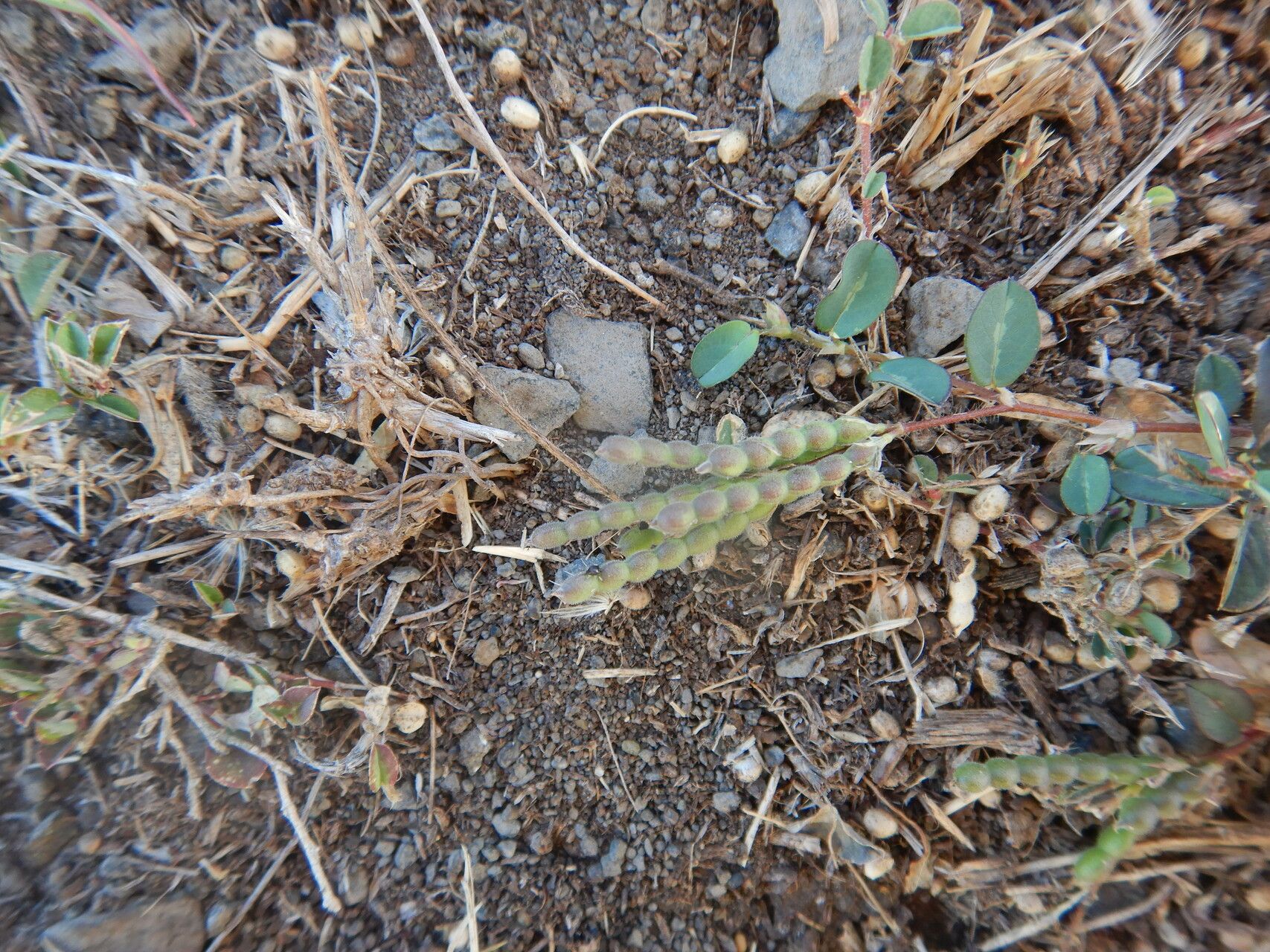
Alysicarpus monilifer, also known as the purple necklace plant, is a charming legume with delicate lilac flowers that mature into unique, beaded seed pods. While relatively unknown outside botanical circles, its resilience and beauty make it a hidden gem for enthusiastic gardeners willing to delve a bit deeper into its propagation. This guide will equip you with the knowledge to successfully grow this fascinating plant.
Seed Propagation: Embracing the Patience Game
Alysicarpus monilifer primarily propagates through seeds, a process that requires a touch of patience and the right approach. Here’s how to maximize your success:
- Seed Collection and Preparation: Once the flowers fade, distinctive beaded pods will develop. Allow these pods to dry completely on the plant, turning a light brown. Collect them carefully, open them to reveal small, brown seeds, and store them in a cool, dry place.
- Scarification: To enhance germination rates, scarification is recommended. This involves gently nicking or sanding the seed coat to break its dormancy. You can use a nail file, sandpaper, or even a sharp knife, exercising caution not to damage the embryo inside.
- Sowing: Sow the scarified seeds in a well-draining seed starting mix, lightly pressing them into the soil and covering them with a thin layer of vermiculite. Keep the soil consistently moist but not waterlogged.
- Warmth and Light: Alysicarpus monilifer seeds germinate best in warm temperatures between 70-75°F (21-24°C). Place the seed tray in a bright location, avoiding direct sunlight which can scorch delicate seedlings.
- Germination Time: Be patient, as germination can take anywhere from 2 to 4 weeks, sometimes even longer. Maintain consistent moisture and warmth during this period.
Cuttings: A Quicker Route for Seasoned Gardeners
While less common, propagation through stem cuttings is possible for Alysicarpus monilifer, offering a faster method for experienced gardeners:
- Timing is Key: Take cuttings during the plant’s active growing season, ideally in spring or early summer.
- Selecting the Right Cuttings: Choose healthy, non-flowering stems that are around 4-6 inches long. Make a clean cut just below a leaf node.
- Hormone Boost: While not strictly necessary, dipping the cut end in rooting hormone can encourage faster root development.
- Planting the Cuttings: Plant the cuttings in a well-draining potting mix, burying at least two leaf nodes. Maintain moisture and provide indirect sunlight.
- Root Development: Within a few weeks, the cuttings should develop roots, and you’ll notice new growth.
Cultivating Success: Caring for Your Alysicarpus monilifer
Once your Alysicarpus monilifer seedlings or cuttings are established, provide them with the following care:
- Sunlight: These plants thrive in full sun to partial shade.
- Water: Water regularly, allowing the soil to dry slightly between waterings. Avoid overwatering, as it can lead to root rot.
- Soil: Well-draining soil is crucial. A sandy loam soil amended with compost is ideal.
- Fertilizer: While not heavy feeders, these plants benefit from a light dose of balanced fertilizer during the growing season.
With patience and a bit of care, you can successfully propagate Alysicarpus monilifer and enjoy its unique beauty in your own garden. This resilient and often overlooked plant promises a rewarding experience for gardeners of all levels, offering a glimpse into the fascinating world of plant propagation.