
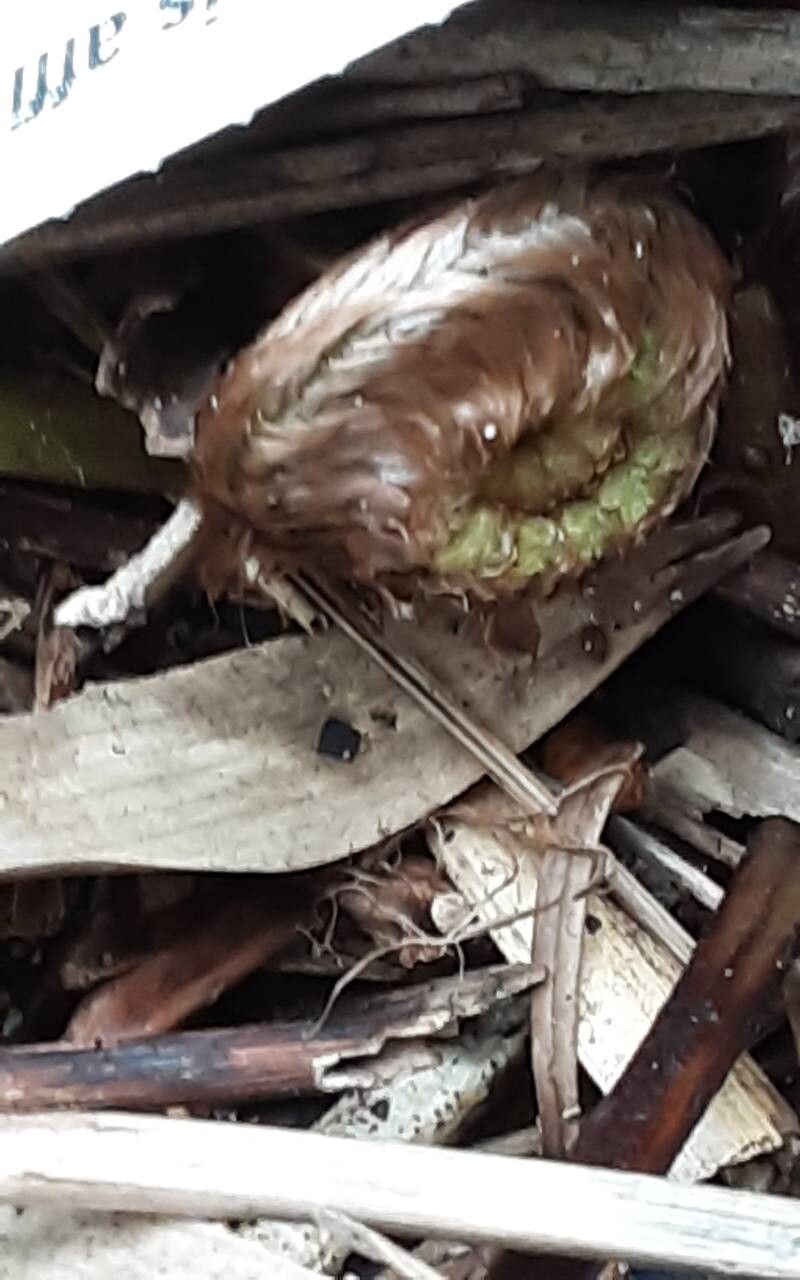
Unlocking the Secrets: Propagating the Majestic Dryopteris Caucasica Fern
The Dryopteris caucasica, also known as the Caucasian Shield Fern, is a sight to behold. With its majestic fronds unfurling like emerald green fountains, it brings a touch of prehistoric beauty to any shady garden corner. But did you know that you can easily multiply this botanical treasure through propagation? Let’s delve into the secrets of successfully propagating Dryopteris caucasica and filling your garden with these magnificent ferns.
Understanding the Basics:
Before we get our hands dirty, let’s understand the plant. Dryopteris caucasica reproduces via spores, similar to how mushrooms do, rather than through seeds like flowering plants. This might sound daunting, but with a little patience and the right approach, even beginner gardeners can master fern propagation.
Method 1: Spore Propagation:
- Collecting Spores: Spores are found in small, brown structures called “sori” located on the underside of mature fronds. When the sori develop a fuzzy texture, they are ripe for collection. Carefully cut a frond with mature sori and place it inside a paper bag to dry for a few days, allowing the spores to release.
- Preparing the Spore Bed: The ideal medium for fern spores is a well-draining, sterile mix. A combination of peat moss and vermiculite works well. Fill a seed tray or small pots with the mixture and moisten it thoroughly.
- Sowing the Spores: Sprinkle the collected spores lightly over the damp surface of the medium. Do not bury them, as light aids germination.
- Creating a Humid Environment: Spores require high humidity to germinate. Cover the tray or pots with a clear plastic lid or cling wrap to create a mini greenhouse effect. Place the setup in a warm, shady location, away from direct sunlight.
- Patience is Key: Germination can take anywhere from a few weeks to a few months. Check the soil moisture regularly and mist it gently if needed. Once the spores germinate, they will resemble a thin, green moss.
- Transplanting: When the seedlings are large enough to handle (about an inch tall), carefully transplant them into individual pots filled with the same peat moss and vermiculite mixture, ensuring their delicate roots are undisturbed.
Method 2: Division:
For a quicker and simpler method, consider division, especially for mature plants.
- Digging Up the Plant: Choose a healthy, mature Dryopteris caucasica. Carefully lift the entire plant from the ground, loosening the soil around the roots.
- Dividing the Rhizome: Gently shake off excess soil to expose the plant’s thick, underground stem called the rhizome. Using a sharp, sterilized knife or garden shears, divide the rhizome into sections, each with a good amount of roots and at least one healthy frond.
- Replanting: Replant the divided sections at the same depth they were growing originally. Water them thoroughly and provide shade until they re-establish themselves.
Caring for Your New Ferns:
Whether you choose spore propagation or division, consistent care is crucial for healthy fern growth. Provide them with a shady location, well-drained soil, and regular watering. Avoid over-watering, as soggy soil can lead to root rot.
Enjoy the Rewards:
Propagating your own Dryopteris caucasica is a rewarding experience. Not only will you enjoy a greater abundance of these captivating ferns in your garden, but you’ll also gain a deeper appreciation for the fascinating life cycle of these ancient plants. So, why not give it a try and witness the magic of fern propagation firsthand?