
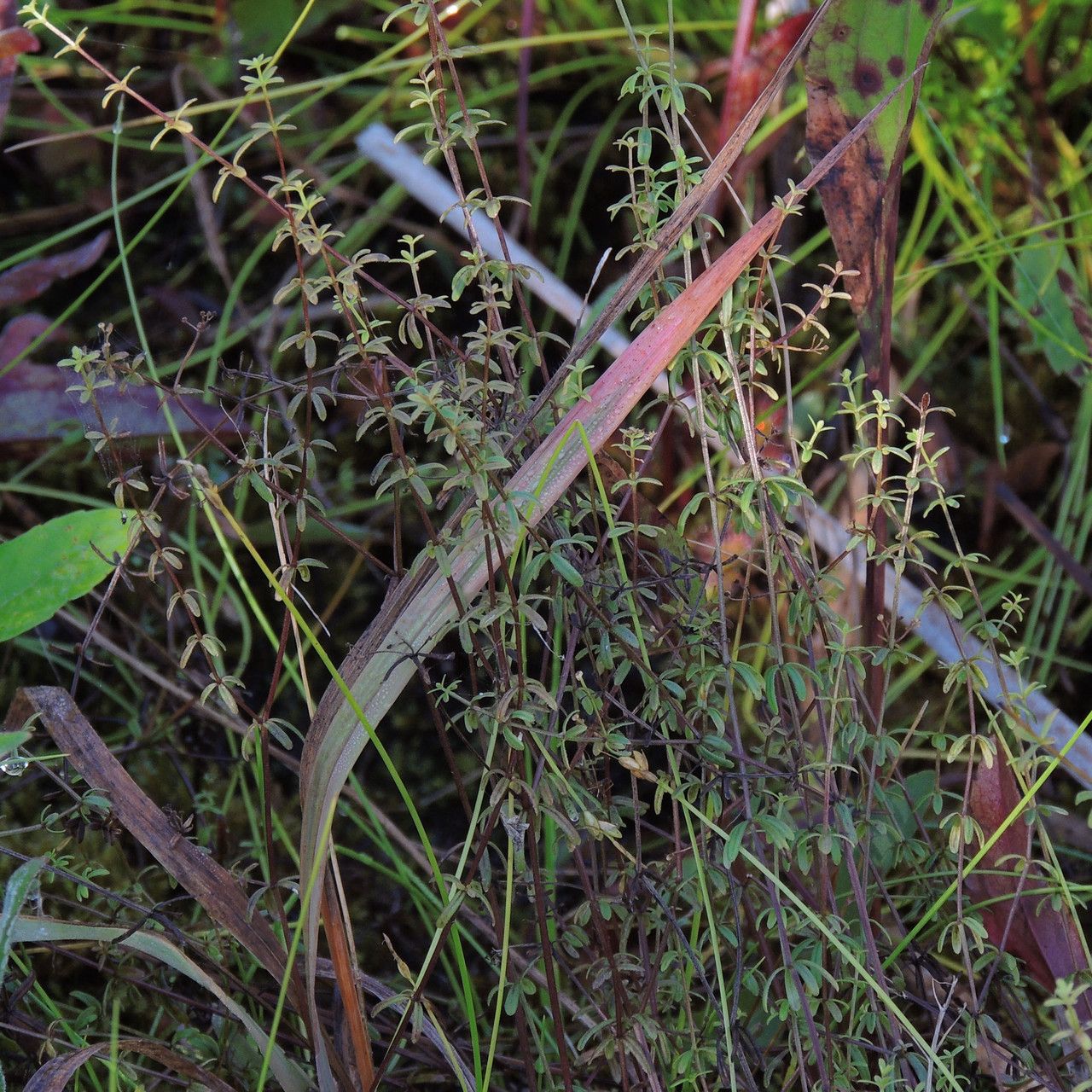
Unlocking the Secrets of Labrador Bedstraw Propagation: A Guide to Growing More of This Charming Groundcover
Labrador bedstraw (Galium labradoricum), with its delicate white blooms and vibrant foliage, brings a touch of wild beauty to any garden. This low-growing perennial, native to North America’s cooler regions, thrives in moist, shady environments, making it a perfect choice for brightening up those tricky spots under trees or along pond edges. While readily available at some nurseries, propagating your own Labrador bedstraw is surprisingly easy and rewarding.
This comprehensive guide will explore the two most effective methods – division and seed propagation – empowering you to expand your bedstraw patch or share this delightful plant with fellow gardening enthusiasts.
Method 1: Division – The Gift that Keeps on Growing
Division is the simplest and fastest way to propagate Labrador bedstraw, yielding near-instant results. This method capitalizes on the plant’s natural tendency to spread, making it ideal for established clumps.
Here’s how to do it:
- Timing is Key: Early spring or fall, when the plant is dormant or just beginning to grow, offers the best chance of success.
- Gentle Excavation: Carefully dig around the plant, ensuring you capture a good portion of the root system.
- Divide and Conquer: Using a sharp, clean knife or garden spade, divide the root ball into smaller sections, ensuring each section has a healthy amount of roots and shoots attached.
- Replant and Rejoice: Replant the divisions at the same depth they were originally growing, spacing them about 12-18 inches apart. Water thoroughly and keep the soil consistently moist.
Advantages of Division:
- High success rate: Divisions are essentially already established plants, guaranteeing a high chance of survival and rapid growth.
- Quick results: You’ll enjoy a mature look in your garden much faster compared to starting from seed.
- Preserves plant characteristics: Divisions will perfectly mirror the parent plant, maintaining desirable traits.
Method 2: Seed Propagation – A Test of Patience and Skill
While slightly more challenging, propagating Labrador bedstraw from seed offers a sense of accomplishment and a larger quantity of plants.
Here’s the step-by-step process:
- Seed Collection: Harvest ripe seed heads in late summer or early fall. These appear as small, round capsules.
- Cold Stratification: Labrador bedstraw seeds require a period of cold treatment to germinate. Store seeds in a moist paper towel inside a sealed plastic bag in the refrigerator for 6-8 weeks.
- Sowing Time: Sow the seeds in seed trays filled with a well-draining seed starting mix in early spring.
- Light and Moisture: Place the trays in a bright location but out of direct sunlight. Keep the soil consistently moist but not waterlogged.
- Transplanting Time: Once the seedlings develop a few sets of true leaves and are large enough to handle, transplant them into individual pots or directly into the garden after the last frost.
Advantages of Seed Propagation:
- Cost-effective: Starting from seed is significantly cheaper than purchasing multiple plants.
- Large-scale propagation: This method allows you to produce a large number of plants simultaneously.
- Rewarding experience: Witnessing the entire lifecycle of a plant, from seed to bloom, is immensely satisfying.
No matter your chosen method, propagating Labrador bedstraw is an enjoyable and worthwhile endeavor. So go ahead, embrace the rewarding world of plant propagation, and watch as your garden flourishes with the delicate charm of Labrador bedstraw.