
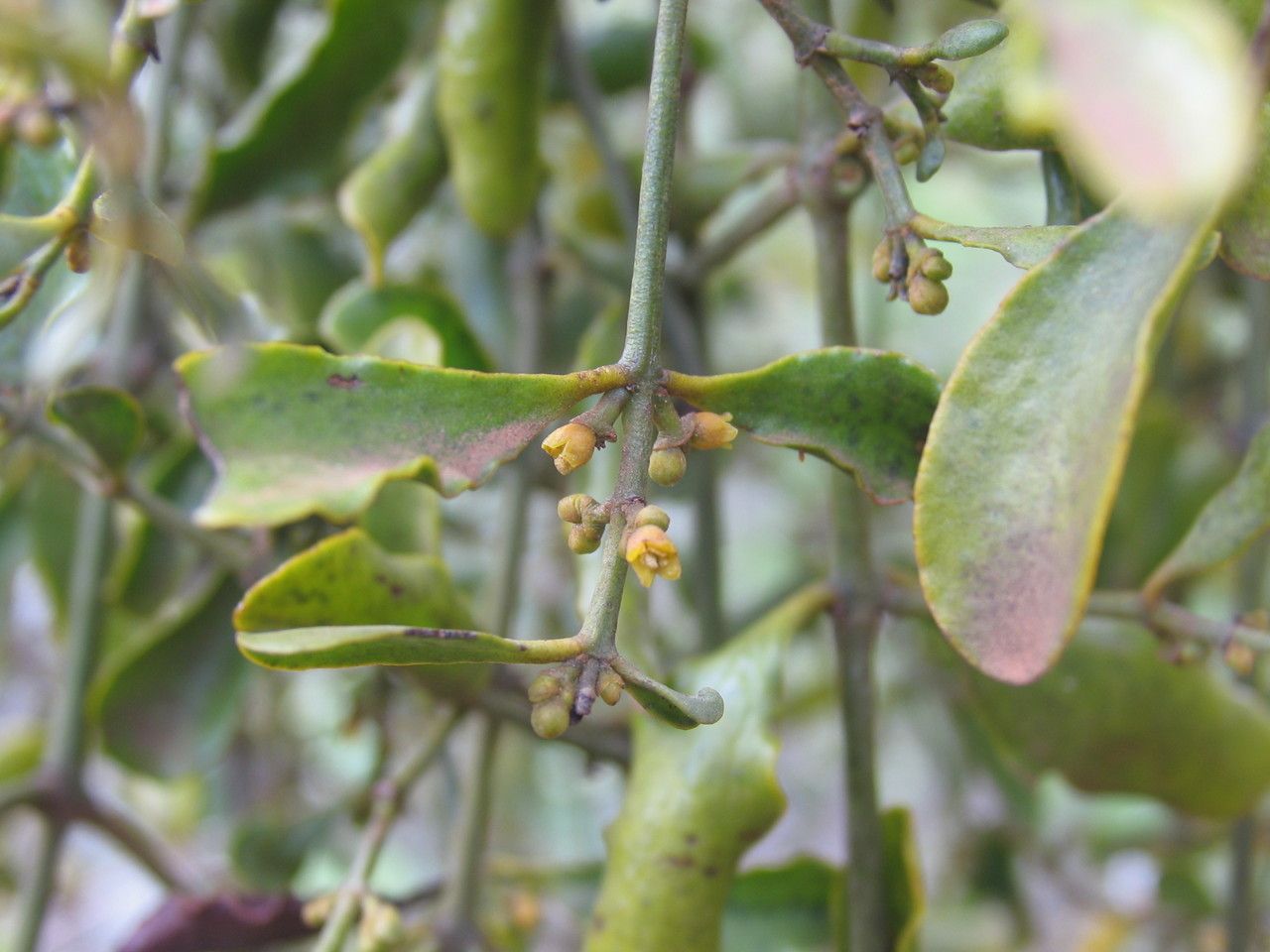
A Sticky Situation: Propagating the Fascinating Viscum Fischeri
Viscum fischeri, also known as the African mistletoe, is not your typical garden variety plant. This fascinating species, like all mistletoes, lives its life anchored to a host tree, drawing nutrients and water from its unsuspecting benefactor. While many might consider mistletoe a nuisance, there’s no denying its unique life cycle and the vital role it plays in the ecosystem. So, if you’re feeling adventurous and want to try your hand at propagating this unusual plant, buckle up! It’s going to be a sticky ride.
Understanding the Mistletoe’s M.O.
Unlike most plants that sprout from the soil, Viscum fischeri takes root on the branches of trees. Birds are the key to this arboreal lifestyle. Attracted by the mistletoe’s sticky berries, they feast, inadvertently getting the seeds stuck to their beaks. As they preen and clean, the birds deposit these seeds onto other trees, unknowingly giving birth to a new generation of mistletoe.
Playing Mother Nature: Propagating at Home
While birds are highly effective at spreading Viscum fischeri, you can mimic their role with a bit of patience and the right technique. Here’s how:
- Source your seeds: You’ll need ripe berries, ideally freshly harvested. Look for plump, slightly translucent berries on established mistletoe plants.
- Prepare your host: Choose a suitable host tree that’s healthy and mature. Remember, the mistletoe will draw resources from this tree, so ensure it’s robust enough to handle the parasitic relationship.
- Seed placement is key: This is where things get sticky (literally!). Extract the seed from the berry – it’ll be covered in a viscous substance called viscin. Carefully press the seed onto a young branch of your host tree, ensuring good contact. The viscin acts like natural glue, securing the seed in place.
- Patience is a virtue: It can take several months for the seed to germinate. During this time, ensure the host tree receives adequate water, especially during dry periods.
A Note of Caution:
While propagating Viscum fischeri can be a rewarding experience, it’s essential to remember its parasitic nature. Planting mistletoe should be done responsibly and ethically. Overpopulation on a single tree can weaken its health, so moderation is key. Always research local regulations and guidelines regarding mistletoe planting in your area.
The Rewards of Responsible Propagation
Successfully propagating Viscum fischeri offers a unique sense of accomplishment. Watching this unusual plant thrive on your chosen host tree can be incredibly rewarding, providing a valuable lesson in the interconnectedness of nature. Just remember, like all relationships, balance and respect are key to a harmonious coexistence. So, why not embrace the sticky situation and give propagating Viscum fischeri a try? You might just be surprised by the beauty of this unconventional plant and the wonders of its unique life cycle.