
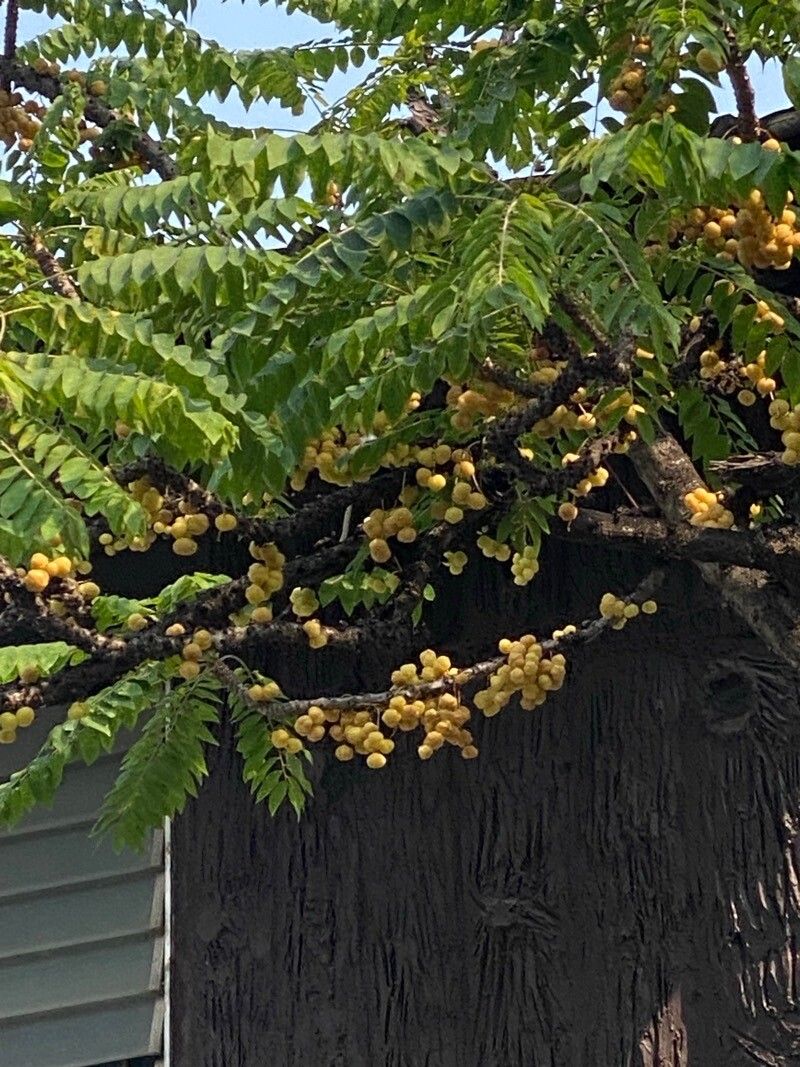
Grow Your Own Star Gooseberry Tree: A Guide to Propagating Phyllanthus acidus
The Star Gooseberry, also known as Phyllanthus acidus, is a fascinating and rewarding tree to grow, prized for its tart, juicy fruits and ornamental appeal. Native to Southeast Asia, this tropical beauty thrives in warm climates and rewards patient gardeners with its unique, clustered fruit. If you’re interested in cultivating this exotic tree, propagation is a great place to start.
This guide will explore two effective methods for propagating Phyllanthus acidus:
1. Seed Propagation:
- Harvesting Seeds: The journey begins with ripe Star Gooseberries. Extract the seeds, which are small and brown, by carefully removing the fleshy pulp surrounding them. Thoroughly rinse and air-dry them for a day or two to prevent fungal growth.
- Sowing the Seeds: Plant the seeds about half an inch deep in a well-draining seed-starting mix. Keep the soil consistently moist but not waterlogged. A warm, sunny location or the use of a seedling heat mat will encourage germination.
- Patience is Key: Seed germination for Phyllanthus acidus can be slow, often taking several weeks or even months. Don’t be discouraged! Consistent moisture, warmth, and patience are your allies.
- Transplanting Seedlings: Once the seedlings develop a few sets of true leaves and are a few inches tall, they can be transplanted into larger pots or directly into the ground. Choose a location with well-drained soil and full sun to partial shade.
2. Cutting Propagation:
- Taking Cuttings: This method involves taking a cutting from a healthy, mature Phyllanthus acidus tree. Select a semi-hardwood branch, about 6-8 inches long, that has recently stopped growing actively. Make a clean cut just below a leaf node.
- Preparing the Cutting: Remove the leaves from the lower third of the cutting to prevent rot. You can also dip the cut end in rooting hormone powder to encourage root development.
- Planting the Cutting: Plant the prepared cutting in a pot filled with a well-draining potting mix, burying the bottom node. Maintain consistent moisture and provide indirect sunlight.
- Rooting Success: It typically takes several weeks for cuttings to develop roots. You can gently tug on the cutting; if you feel resistance, it indicates root development. Once the cutting has established a healthy root system, it can be transplanted into a larger pot or a permanent location in the garden.
Caring for Your New Star Gooseberry Plants:
- Sunlight: Provide your young Phyllanthus acidus with at least 6 hours of sunlight per day.
- Watering: Water regularly, especially during dry periods, but avoid overwatering, which can lead to root rot.
- Soil: Ensure well-draining soil to prevent waterlogging.
- Fertilizer: Feed with a balanced fertilizer a few times a year, especially during the growing season.
Propagating Phyllanthus acidus requires a bit of patience and care, but the rewards are well worth the effort. Successfully propagating your own tree isn’t just about enjoying the unique and delicious fruits; it’s about nurturing a connection with nature and experiencing the joy of watching a new life flourish under your care.