
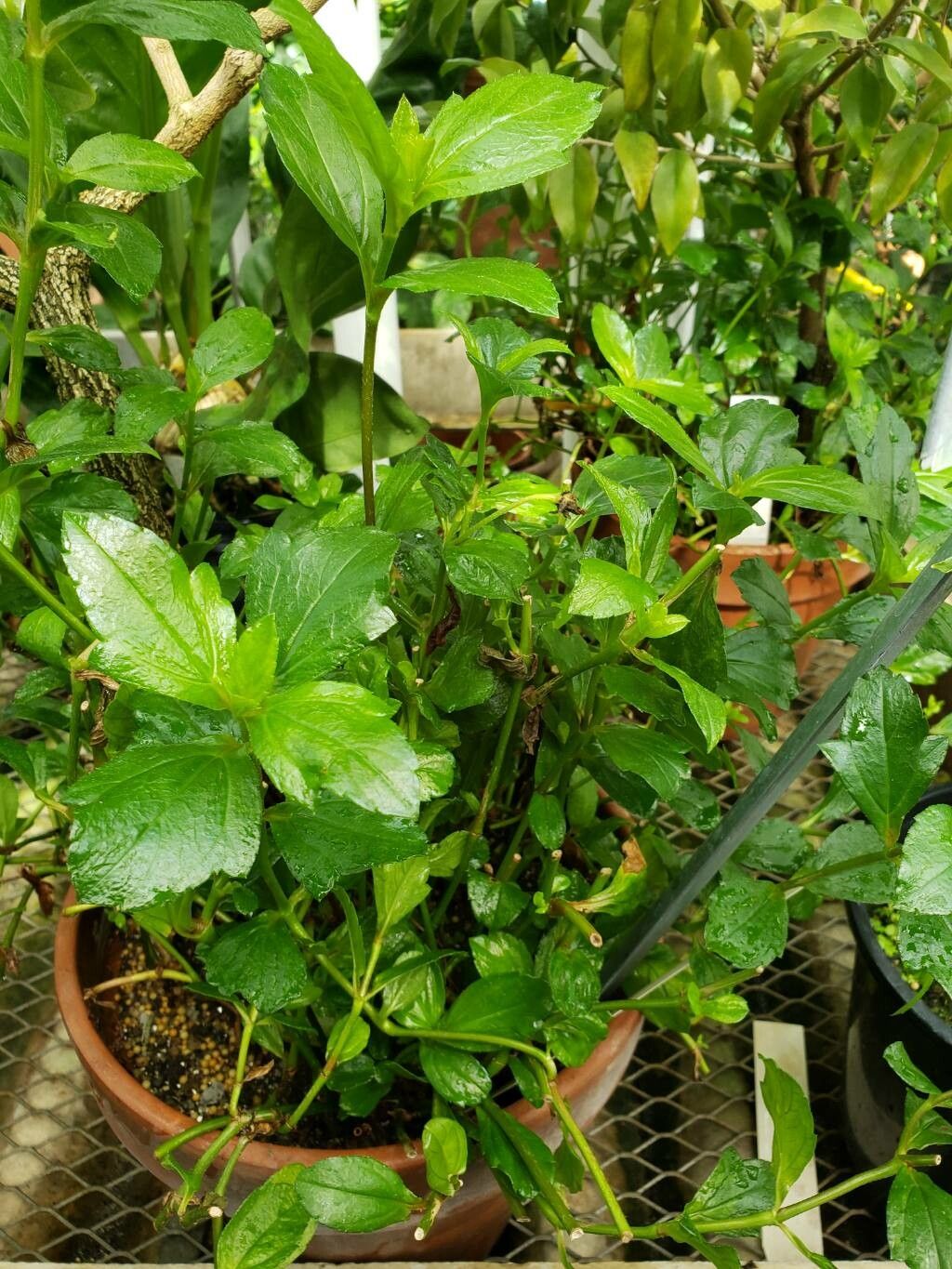
Unveiling the Mystery: Propagating the Elusive Schoepfia schreberi
Schoepfia schreberi, also known as whitewood or gulf graytwig, might not roll off the tongue as easily as “rose” or “sunflower,” but this fascinating plant, with its unusual biology and subtle beauty, deserves a place in the hearts – and gardens – of curious plant enthusiasts. However, propagating Schoepfia schreberi presents a unique challenge, shrouded in a bit of mystery. Ready to unveil the secrets? Let’s dive in!
Understanding the Enigma:
Schoepfia schreberi is a hemiparasitic shrub, meaning it’s not your typical plant peacefully photosynthesizing in the sun. While it does possess green leaves and can produce its own food, it also relies on a rather unique strategy – stealing nutrients from the roots of nearby host plants! This intriguing lifestyle makes it a bit trickier to propagate than your average houseplant.
Traditional Propagation: A Difficult Path
Unfortunately, traditional methods like taking cuttings or germinating seeds often prove difficult, if not impossible, with Schoepfia schreberi. The seeds have very specific germination requirements that are largely unknown, and cuttings rarely develop the necessary root systems for survival. This lack of reliable propagation methods contributes to its rarity in cultivation.
The Root of the Matter: Hemiparasitic Challenges
The hemiparasitic nature of Schoepfia schreberi plays a significant role in the propagation puzzle. Its dependence on a host plant for optimal nutrient uptake makes it challenging to recreate the right conditions outside its natural habitat. While research is ongoing, there’s still much to uncover about the specific host plant interactions and how they influence successful propagation.
Looking Ahead: Potential Avenues
Despite the challenges, hope is not lost for propagating this unique species. Several avenues hold promise for the future:
- Research and Collaboration: Continued research into the specific germination requirements of Schoepfia schreberi seeds, as well as identifying compatible host plants for cultivation, is crucial. Collaboration between botanists, horticulturists, and passionate individuals could hold the key to unlocking its propagation secrets.
- Tissue Culture: This laboratory-based method offers a potential alternative for mass propagation. Tissue culture involves growing plant cells in a controlled environment, potentially bypassing the need for seeds or cuttings. Further research is needed to determine its feasibility for Schoepfia schreberi.
The Allure of the Uncommon:
While successfully introducing Schoepfia schreberi to your garden might require patience and perhaps a touch of luck, the journey itself can be incredibly rewarding. Delving into the unusual world of hemiparasitic plants, understanding their complex relationships with host species, and contributing to the preservation of a unique species – these are endeavors worth pursuing for any dedicated plant enthusiast.