
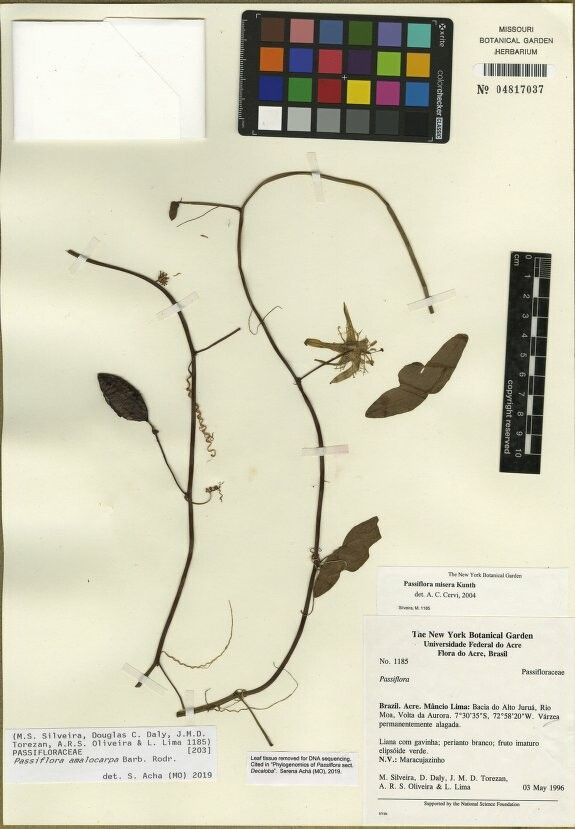
Unveiling the Secrets of Passiflora amalocarpa Propagation: A Guide to Growing This Amazonian Beauty
The Passiflora amalocarpa, with its delicate, fragrant blooms resembling miniature shooting stars, is a captivating addition to any passionate gardener’s collection. Hailing from the lush rainforests of the Amazon basin, this rare passionflower variety is a true testament to nature’s artistry. While acquiring this exotic beauty might be a challenge, successfully propagating Passiflora amalocarpa is a rewarding endeavor for those up to the task.
This guide delves into the two primary methods of propagating this captivating climber:
1. Seed Propagation: A Test of Patience and Precision
Propagating Passiflora amalocarpa from seed can be an exercise in patience, but witnessing the lifecycle from a tiny seed to a blossoming vine is incredibly fulfilling. Here’s how to embark on this journey:
- Seed Sourcing: Obtaining viable seeds is crucial. Reputable online retailers specializing in rare passionflowers are your best bet.
- Seed Preparation: The seeds of Passiflora amalocarpa have a hard outer shell that necessitates scarification. Gently rub the seed coat with sandpaper or a file until a slightly thinner, lighter area is visible.
- Sowing the Seeds: Plant the scarified seeds in a well-draining seed starting mix, burying them about ¼ inch deep. Mist generously and provide warmth, ideally maintaining temperatures around 75-85°F (24-29°C).
- Germination Time: Be prepared for a potentially lengthy process. Germination can take anywhere from a few weeks to several months. Be patient and maintain consistent moisture and warmth.
- Transplanting Seedlings: Once the seedlings develop a few sets of true leaves, transplant them into individual pots with a well-draining, slightly acidic soil mix.
2. Cuttings: A Faster Route to Success
Propagating Passiflora amalocarpa through cuttings offers a faster and often more successful alternative to starting from seed. Here’s a step-by-step breakdown:
- Taking the Cuttings: Choose healthy, non-flowering stems from a mature plant. Using a clean, sharp knife or pruning shears, cut a 4-6 inch section directly below a leaf node. Remove the bottom leaves, leaving 2-3 leaves at the top.
- Encouraging Rooting: To boost your chances of success, dip the cut end of the stem in rooting hormone powder. This step is optional but highly recommended.
- Planting the Cuttings: Plant the cuttings in a well-draining rooting medium, like a mix of perlite and peat moss. Keep the medium consistently moist but not waterlogged.
- Providing Humidity: Cover the pot with a clear plastic bag or use a humidity dome to create a warm, humid environment that promotes rooting.
- Transplanting Rooted Cuttings: After 4-6 weeks, gently tug on the cuttings. If you feel resistance, roots have formed! Carefully transplant the rooted cuttings into individual pots, using the same well-draining, slightly acidic potting mix recommended for seedlings.
Caring for Your Passiflora amalocarpa:
Regardless of your chosen propagation method, providing the right growing conditions is essential for your Passiflora amalocarpa to thrive. Ensure it receives:
- Bright, Indirect Sunlight: Aim for at least 6 hours daily.
- Warm Temperatures: Ideal temperatures are between 65-85°F (18-29°C).
- Moderate Watering: Allow the soil to dry slightly between waterings, avoiding waterlogging.
- Regular Fertilization: Apply a balanced liquid fertilizer every 2-4 weeks during the growing season.
- Support Structure: Being a climbing vine, Passiflora amalocarpa needs a trellis, arbor, or another structure to climb and thrive.
Propagating Passiflora amalocarpa might require a touch of green thumb magic, but the rewards are well worth the effort. With patience, diligence, and the right knowledge, you can cultivate your own piece of the Amazonian rainforest and enjoy the exquisite beauty of this rare and captivating passionflower.