
Unveiling the Secrets of Stewartia Sinensis Propagation: A Guide for Enthusiasts
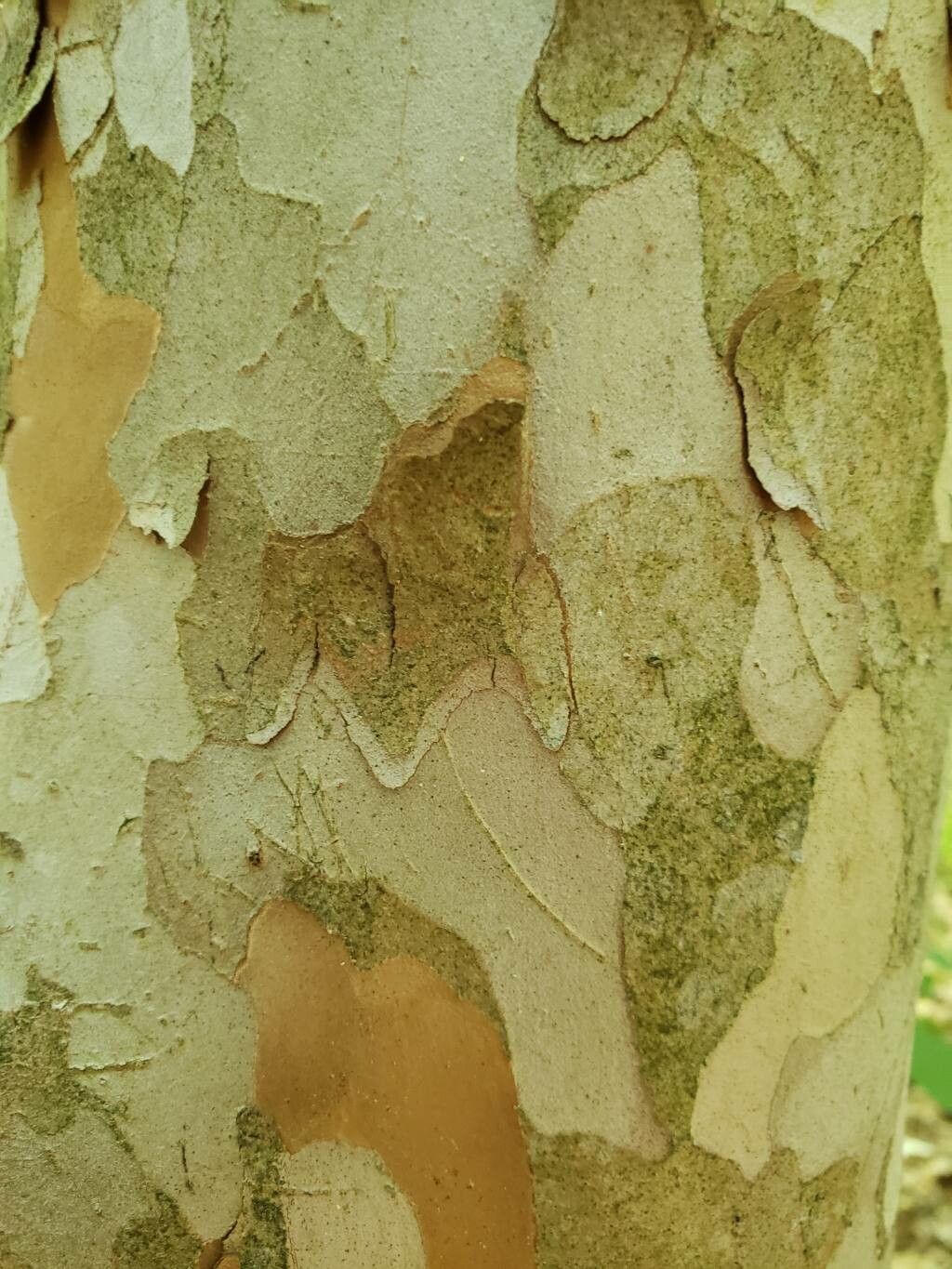
Stewartia sinensis, also known as the Chinese Stewartia, is a deciduous tree celebrated for its stunning display of camellia-like blooms, vibrant fall foliage, and captivating bark. If you’ve been captivated by this horticultural treasure and dream of having one (or more!) grace your garden, understanding its propagation methods is essential.
While propagating Stewartia sinensis requires a touch of patience and finesse, it’s a rewarding endeavor for any plant enthusiast. Let’s dive into the different techniques you can employ to cultivate new life from this remarkable species.
1. Seed Propagation: A Test of Time and Patience
Propagation from seed, while requiring the most patience, offers a deeply satisfying experience and the potential for numerous new saplings. Follow these steps:
- Seed Collection: Harvest mature seed capsules in late autumn. These are brown and woody.
- Cold Stratification: Mimic nature’s cycle by storing seeds mixed with moist peat moss in the refrigerator (around 40°F) for 3-4 months.
- Sowing: In spring, sow the seeds in a well-draining seed-starting mix, lightly covering them.
- Patience is Key: Germination can be slow and erratic, potentially taking several months or even a full year.
2. Semi-Hardwood Cuttings: A Faster Route to Success
For quicker results, semi-hardwood cuttings offer a higher success rate for propagating Stewartia sinensis. Here’s how:
- Timing is Crucial: Take cuttings in mid to late summer when the new growth has started to firm but is still relatively pliable.
- Select and Trim: Choose healthy, vigorous stems and cut approximately 4-6 inches long, just below a leaf node. Remove the lower leaves, leaving 2-3 at the top.
- Hormone Boost: Dip the cut end in rooting hormone to encourage root development.
- Potting and Care: Plant the cuttings in a well-draining potting mix and enclose the pot in a plastic bag to create a humid environment. Place in indirect light and keep the soil consistently moist.
- Root Development: It typically takes 6-8 weeks for roots to form. Once established, you can gradually acclimate the cuttings to outdoor conditions before planting in their permanent location.
3. Layering: A Natural Approach to Propagation
Layering is a less commonly employed but effective method for propagating Stewartia sinensis:
- Select a Branch: Choose a low-growing, flexible branch.
- Wound and Bury: Make a small wound on the underside of the branch and bury this portion in the soil, using a stake to secure it.
- Patience, Again: It may take a year or more for roots to develop at the wound site. Once a strong root system forms, you can detach the new plant from the parent.
Cultivating Success: Tips for Optimal Growth
No matter your chosen propagation method, these tips will improve your chances of success:
- Well-Draining Soil: Stewartia sinensis thrives in acidic, well-drained soil that remains consistently moist but not waterlogged.
- Sun or Shade: While these trees prefer partial shade, especially in hotter climates, morning sun with afternoon shade is ideal for optimal flowering and fall color.
- Patience is a Virtue: Remember, Stewartia sinensis is a slow-growing tree. Embrace the journey and enjoy watching your propagated saplings mature over time.
Propagating Stewartia sinensis is a fulfilling journey for any gardening enthusiast. With patience and dedication, you can cultivate new life from this botanical gem, expanding its presence in your garden and contributing to the preservation of this captivating species.