
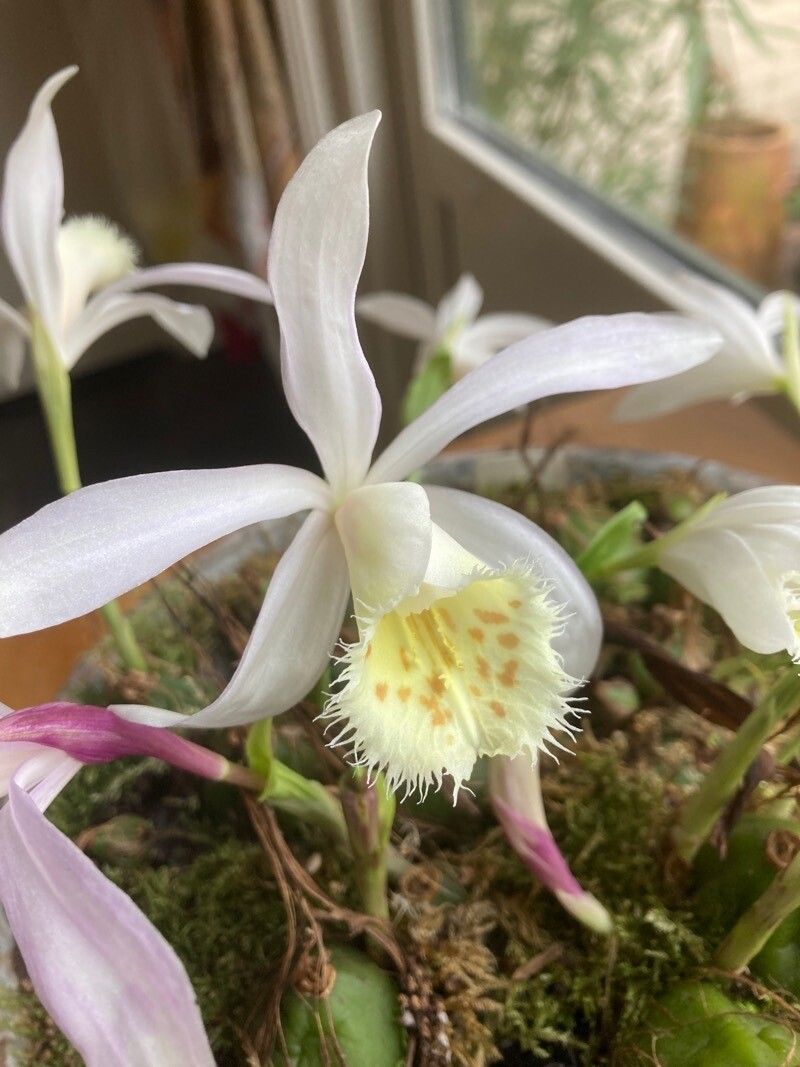
Blooming Marvels: Unlocking the Secrets to Propagating Pleione Grandiflora
The Pleione Grandiflora, with its captivating, orchid-like blooms, is a sight to behold. This jewel of the orchid family, native to the Himalayas, brings a touch of exotic beauty to any garden. But did you know that propagating these stunning plants is an achievable feat, even for amateur gardeners? Let’s delve into the rewarding world of multiplying your Pleione Grandiflora collection.
Understanding the Basics
Before we jump into the methods, it’s crucial to understand how Pleione Grandiflora reproduces. These orchids develop pseudobulbs, bulb-like structures that store nutrients and water. Propagation primarily occurs through two methods: division of pseudobulbs and sowing seeds.
Method 1: Division – Separating for Success
Dividing established clumps of Pleione Grandiflora is the most common and straightforward propagation method. Here’s how:
Timing is Key: The ideal time for division is during the dormant season, typically in late autumn or early winter, after the foliage has withered.
Gentle Separation: Carefully lift the clump from its pot and gently remove the old potting mix. Identify mature pseudobulbs with at least 2-3 healthy growths. Using a clean, sharp knife or your fingers, carefully separate the pseudobulbs, ensuring each division has roots attached.
Potting Up: Choose a well-draining orchid mix or create your own using bark chips, perlite, and sphagnum moss. Plant the divisions in shallow pots, ensuring the top of the pseudobulb sits slightly above the soil line.
- Patience is a Virtue: Place the pots in a cool, shaded area and water sparingly until new growth emerges in spring.
Method 2: Seeds – A Labor of Love
While more challenging, growing Pleione Grandiflora from seed offers a rewarding experience for dedicated enthusiasts:
Seed Source: You can obtain seeds from specialized nurseries or attempt pollination on your own plants.
Sowing the Seeds: Orchid seeds are incredibly fine and require sterile conditions. Sow the seeds on the surface of a specialized orchid seed-starting medium in a sterilized container.
Creating the Ideal Environment: Orchid seeds need warmth, humidity, and bright, indirect light to germinate. Consider using a humidity dome or a sealed plastic bag to create a humid microclimate.
- Time and Patience: Germination can take several weeks to months. Once seedlings emerge, they require meticulous care, including regular fertilization and humidity control.
Essential Care Tips for Successful Propagation
Well-draining Soil: Pleione Grandiflora thrives in a well-draining medium that prevents waterlogging and root rot.
Filtered Sunlight: Provide bright, indirect sunlight. Direct sunlight can scorch the delicate leaves.
Watering Wisely: Water thoroughly when the potting mix approaches dryness. Avoid overwatering, which can lead to root problems.
Cool Temperatures: These orchids prefer cool temperatures, especially during their dormant period.
- Fertilization: Feed with a diluted orchid fertilizer during the growing season.
By understanding the unique requirements of Pleione Grandiflora and following these propagation techniques, you can enjoy the beauty of these captivating orchids for years to come. Whether you choose the ease of division or the challenge of seeds, the journey of propagation is a rewarding one that connects you more deeply to the wonders of the natural world.