
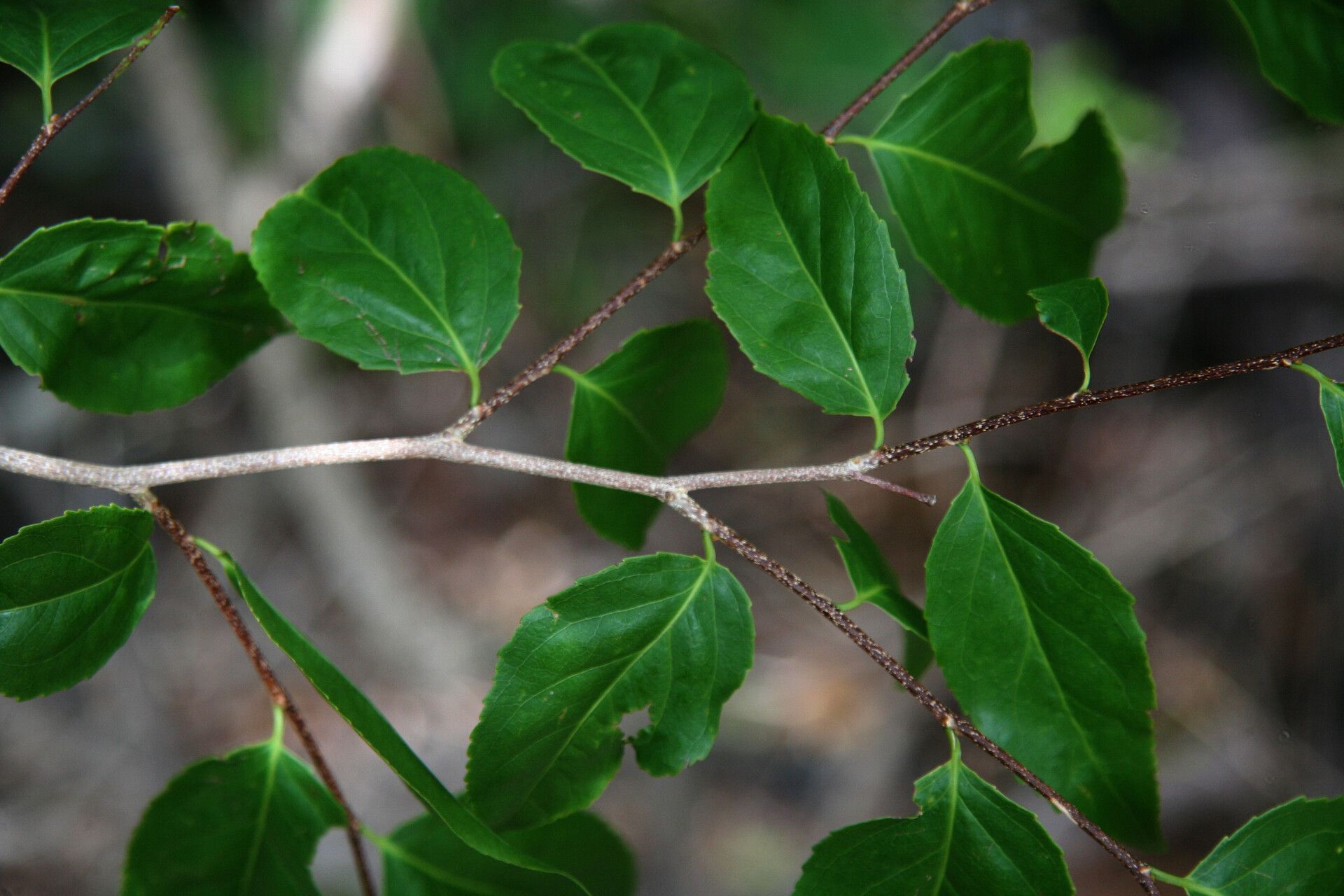
Unlocking the Secrets of Casearia praecox: A Propagation Guide for the Curious Gardener
The world of plants is full of hidden gems, and Casearia praecox, also known as the Glossy-Leaved Chastetree, is one such treasure waiting to be discovered. This small to medium-sized tree, native to South America, boasts glossy green leaves, delicate white flowers, and a captivating life cycle that attracts various pollinators. While not widely cultivated, its ornamental and ecological value makes it an exciting prospect for adventurous gardeners.
Propagating Casearia praecox might seem challenging at first, but with the right knowledge and a dash of patience, you can welcome this unique species into your garden.
Seed Propagation: A Rewarding Challenge
The most common method of propagating Casearia praecox is through seeds. However, be prepared to embark on a journey that requires dedication. Here’s a step-by-step guide:
Seed Collection: Mature fruits of the Casearia praecox contain small, hard seeds. Collect ripe fruits directly from the tree and extract the seeds, ensuring they are clean and dry.
Seed Dormancy Breaking: Casearia praecox seeds exhibit dormancy, meaning they require specific treatments to germinate. The most effective method is scarification, which involves gently scratching or nicking the seed coat. This process allows moisture to penetrate the tough exterior and jumpstarts germination.
Sowing and Germination: Sow the scarified seeds in a well-draining seed-starting mix, keeping them moist but not waterlogged. Place the seed tray in a warm, bright location, out of direct sunlight. Be patient; germination can take several weeks to a few months.
- Transplanting Seedlings: Once the seedlings develop a strong root system and a few true leaves, transplant them into individual pots with a well-draining potting mix. Gradually acclimatize them to outdoor conditions before finally planting them in their permanent location.
Exploring Alternative Propagation Techniques
While seed propagation is the most common method for Casearia praecox, exploring other techniques can be rewarding for adventurous gardeners:
Cuttings: While not extensively studied, propagating Casearia praecox from cuttings could be possible. Select healthy, semi-hardwood cuttings during the growing season. Applying rooting hormone to the cut end can encourage root development.
- Air Layering: This technique involves inducing root formation on a stem while it is still attached to the parent plant. It requires carefully wounding a branch, applying rooting hormone, and enclosing the wounded section in a moist medium. Once roots develop, the branch can be separated and planted. However, success rates with Casearia praecox using this method are yet to be determined.
Taking Care of Your Casearia praecox
Once your Casearia praecox plants are established, they are relatively low-maintenance. Provide them with well-draining soil, adequate sunlight, and regular watering, especially during dry periods. They adapt to various soil types but prefer slightly acidic to neutral conditions.
Keep an eye out for pests or diseases, although Casearia praecox is generally resilient. Regularly inspect your plants and consult resources on common plant ailments to address any issues promptly.
A Rewarding Endeavor:
Propagating Casearia praecox may require patience and dedication, but the rewards are immense. By welcoming this remarkable species into your garden, you contribute to its conservation while enjoying the beauty and ecological benefits it offers. So, embark on this propagation journey and discover the hidden wonders of Casearia praecox—a testament to the magic of plant propagation.