
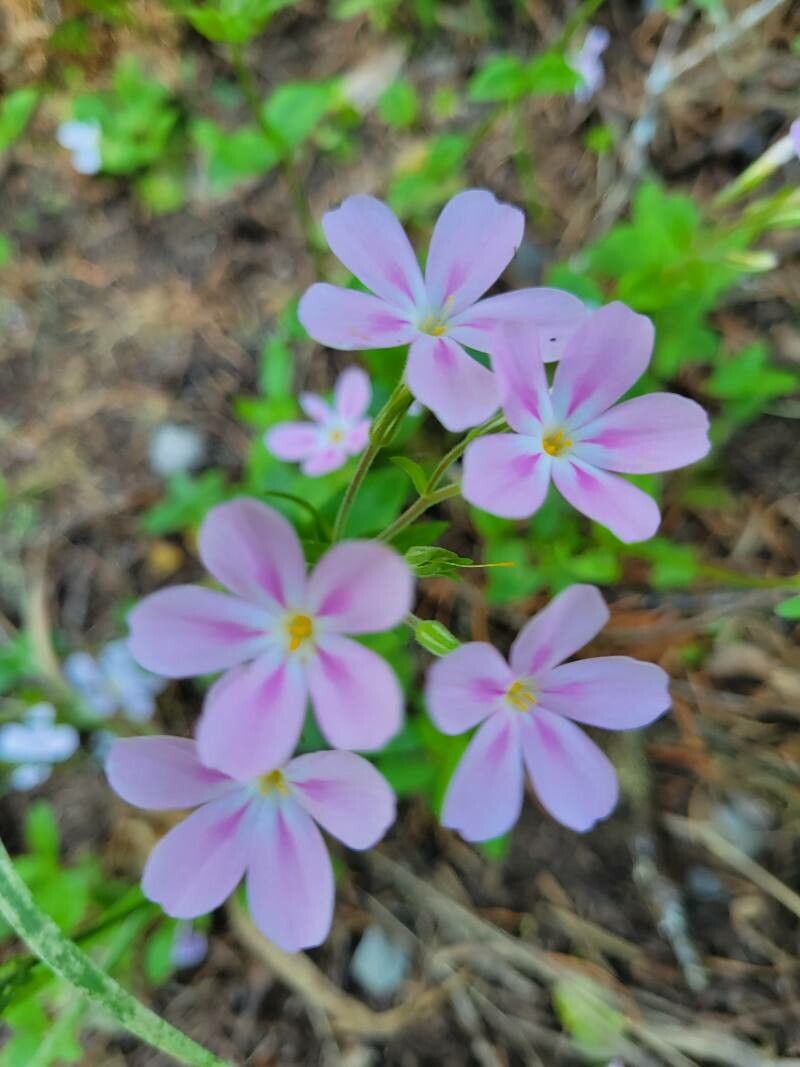
Unleash Your Inner Gardener: Propagating the Charming Phlox adsurgens
The Phlox adsurgens, also known as the Northern Phlox or Siskiyou Phlox, captivates with its delicate beauty and vibrant color. Imagine a cascade of dainty pink or white blooms gracing your rock garden or spilling over the edges of containers. If you’re eager to multiply this floral enchantment in your own garden, propagation is the key! And the good news is, it’s easier than you might think.
This guide dives into the two most successful methods for propagating Phlox adsurgens:
1. The Magic of Cuttings:
Taking cuttings, technically referred to as “softwood cuttings,” is the most popular and generally successful method for Phlox adsurgens. Here’s a step-by-step breakdown:
- Timing is Everything: The ideal time to take cuttings is late spring or early summer, when the plant is actively growing.
- Selecting the Perfect Snip: Look for healthy, non-flowering stems. Choose sections about 3-4 inches long, preferably with at least two sets of leaves.
- Prepping Your Cutting: Remove the lower set of leaves to create a bare stem. This is where the roots will sprout. To further encourage rooting, dip the cut end in a rooting hormone (available at most garden centers).
- Planting the Cutting: Plant your prepared cutting in a well-draining potting mix, burying the node (where you removed the leaves) beneath the soil surface.
- Creating a Humid Oasis: Moisture is crucial for rooting. Cover the pot with a plastic bag or place it in a propagator to create a humid environment.
- Patience is Key: Keep the soil consistently moist but not soggy. With patience, your cuttings should root within 4-6 weeks. You’ll know they’ve taken root when you see new growth.
2. Division: Separating for Success:
Division is another effective way to propagate mature Phlox adsurgens plants and is best done in early spring or fall. Here’s how:
- Digging Deep: Carefully dig around the base of the plant you want to divide, ensuring you don’t damage the roots.
- Gentle Separation: Use your hands or a garden fork to carefully divide the plant into smaller sections, ensuring each section has a good amount of roots and shoots.
- Replanting: Replant the divided sections at the same depth they were growing originally, spacing them about 12 inches apart. Water them well to reduce transplant shock.
Nurturing Your New Phlox:
Whether you’ve propagated via cuttings or division, your young Phlox adsurgens will thrive in similar conditions to their parent plants. Plant them in well-draining soil with partial shade to full sun exposure. Water regularly, especially during dry periods, and fertilize them in the spring with a balanced fertilizer.
Propagating this lovely phlox variety is truly a rewarding endeavor. With some basic knowledge and a touch of green-thumb dedication, you can create a breathtaking display of Northern Phlox — a testament to the joys and magic of plant propagation.