
Taming the Howell’s Spineflower: A Guide to Propagating Chorizanthe howellii
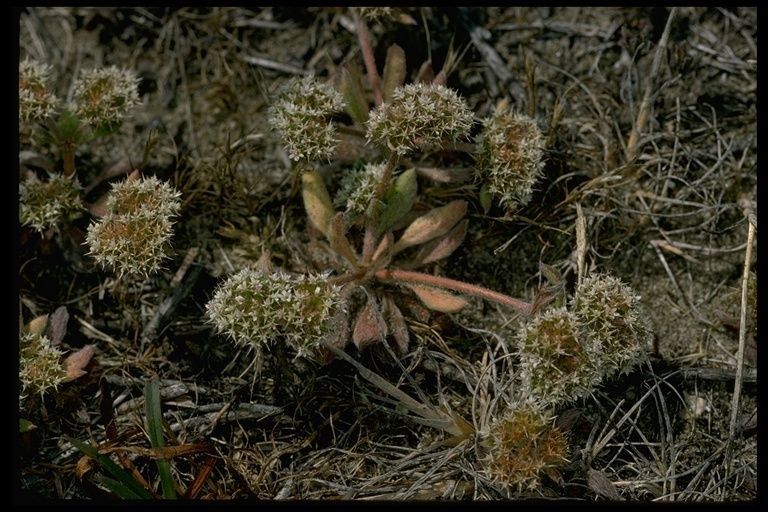
The Howell’s spineflower (Chorizanthe howellii) might not be as flashy as a rose or as widely known as a sunflower, but this delicate annual wildflower holds a special kind of charm. Native to the grasslands and oak woodlands of Oregon and California, it captivates with intricate, spiny flower heads that resemble tiny, ornate sculptures. If you’re enchanted by its unique beauty and want to try your hand at growing Chorizanthe howellii, propagation is the key.
Understanding the Howell’s Spineflower
Before diving into propagation, it’s essential to understand the life cycle of this fascinating plant. Chorizanthe howellii is an annual, meaning it completes its life cycle in a single year. It thrives in well-drained soils and sunny locations. In their natural habitat, seeds germinate with the fall rains, grow slowly throughout the winter, and burst into bloom in the spring.
Methods for Propagation
1. Seed Collection and Storage:
The most common and reliable way to propagate Chorizanthe howellii is through seeds. Here’s how:
- Timing is Key: Seeds mature in late spring to early summer. Look for the characteristic spiny flower heads turning brown and dry.
- Gentle Collection: Carefully collect the flower heads, ensuring the seeds are mature and haven’t already scattered.
- Proper Storage: Place the collected flower heads in a paper bag and store them in a cool, dry place. The bag allows for air circulation, preventing mold, and the dry conditions maintain seed viability.
2. Sowing the Seeds:
- Fall is Ideal: The best time to sow Chorizanthe howellii seeds is in the fall, mimicking their natural growth cycle.
- Direct Sowing: Direct sowing is the most effective method. Choose a location with well-drained soil and full sun exposure. Lightly rake the soil and sprinkle the seeds, then gently press them in.
- Winter Dormancy: Don’t be alarmed if you don’t see immediate growth. The seeds require a period of cold stratification (exposure to winter temperatures) to break dormancy and germinate.
3. Caring for Seedlings:
- Minimal Watering: Once germinated, Chorizanthe howellii seedlings are relatively drought tolerant. Water sparingly, allowing the soil to dry out between waterings.
- Weed Control: Keep the area around your seedlings weed-free to minimize competition for resources.
- Enjoy the Show!: As spring arrives, watch your seedlings transform into delicate, flowering plants, adding a touch of whimsical beauty to your garden.
Challenges and Tips
- Overwatering: The most common mistake in cultivating Chorizanthe howellii is overwatering, leading to root rot. Err on the side of caution and provide water only when the soil is dry.
- Disturbance: The delicate root systems of these plants do not tolerate disturbance well. Avoid transplanting whenever possible.
A Rewarding Endeavor
Propagating Chorizanthe howellii can be a deeply rewarding experience, allowing you to contribute to the preservation of this unique species while adding a touch of wild beauty to your garden. By following these guidelines and embracing the plant’s natural lifecycle, you can successfully cultivate this captivating wildflower and enjoy its delicate elegance year after year.