
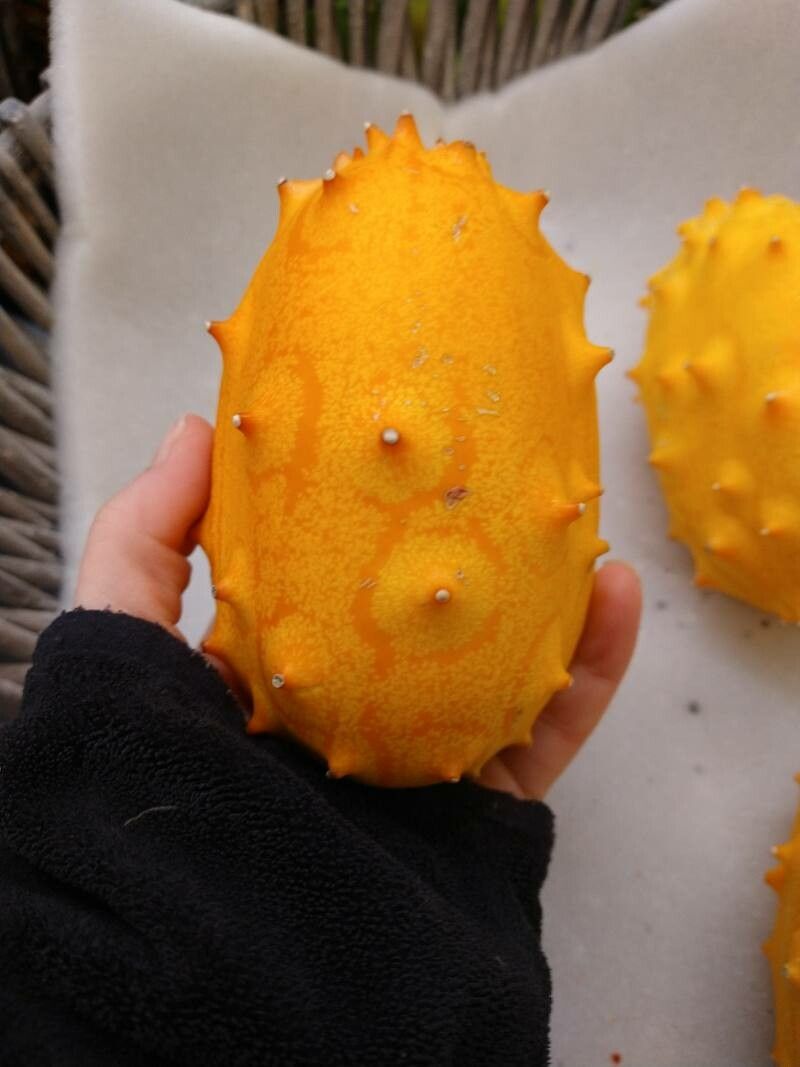
Taming the Spiky Wonder: How to Grow Your Own Kiwano Melon
The Kiwano melon, also known as the African horned melon or Cucumis metuliferus, is a fascinating fruit that sparks curiosity with its vibrant orange skin and spiky exterior. But this peculiar fruit isn’t just a feast for the eyes, it also boasts a refreshing, citrusy flavor and a wealth of nutrients. While readily available in some supermarkets, there’s nothing quite like the satisfaction of growing your own. And the good news is, propagating Kiwano melons is relatively straightforward, even for beginner gardeners!
Two Paths to Kiwano Glory: Seeds or Seedlings?
You have two primary options for starting your Kiwano journey: seeds or seedlings.
Starting from Seed: The most common and cost-effective route. Kiwano seeds are readily available online or at specialty nurseries. To give them a headstart, soak the seeds in warm water for 24 hours before sowing. Plant them about an inch deep in seed trays filled with well-draining soil, keeping the soil consistently moist. Within a week or two, you should see little sprouts emerging.
- Opting for Seedlings: If you prefer a quicker route, purchase young Kiwano seedlings from a reputable nursery. This is a great option for shorter growing seasons or if you want to get a head start. When choosing seedlings, look for healthy, vibrant green ones with no signs of pests or diseases.
Transplanting: Giving Your Kiwano Room to Thrive
Whether you’ve nurtured them from seed or opted for seedlings, your Kiwano will eventually need a more permanent home. Once the seedlings have developed a few true leaves and the danger of frost has passed, it’s time to transplant them outdoors.
Location is Key: Kiwano melons thrive in warm, sunny locations with well-drained soil. Choose a spot that receives at least 6 hours of sunlight daily.
Support Their Climb: Remember, Kiwano is a climbing vine! Provide sturdy support structures like trellises, fences, or stakes to encourage vertical growth and optimize space in your garden.
- Transplant with Care: Dig a hole slightly larger than the root ball of your seedling. Carefully remove the seedling from its container, gently loosening the roots if they’re circling. Place it in the hole, ensuring the soil line on the stem matches the surrounding soil. Water thoroughly.
Nurturing Your Spiky Companions:
Kiwano melons are relatively low-maintenance plants, but a little care goes a long way.
Water Wisely: Keep the soil consistently moist, but avoid overwatering, which can lead to root rot.
Feed the Beast: Apply a balanced fertilizer every few weeks to provide the necessary nutrients for vigorous growth and fruit production.
- Pest Patrol: Keep an eye out for common garden pests like aphids and cucumber beetles. Use insecticidal soap or neem oil for a natural approach to pest control.
Reaping the Rewards:
After about 3-4 months of patient care, you’ll be rewarded with an abundance of spiky, vibrant orange Kiwano melons. Harvest them when the skin is firm and evenly orange. Then, simply slice them open, scoop out the juicy green flesh, and enjoy the uniquely refreshing flavor!
Growing your own Kiwano melons is a rewarding experience that brings a touch of the exotic to your garden. So, why not embrace the challenge and enjoy the fruits (literally!) of your labor?