
Unlocking the Secrets of the Queen’s Tears: Propagating Phaedranassa Cinerea
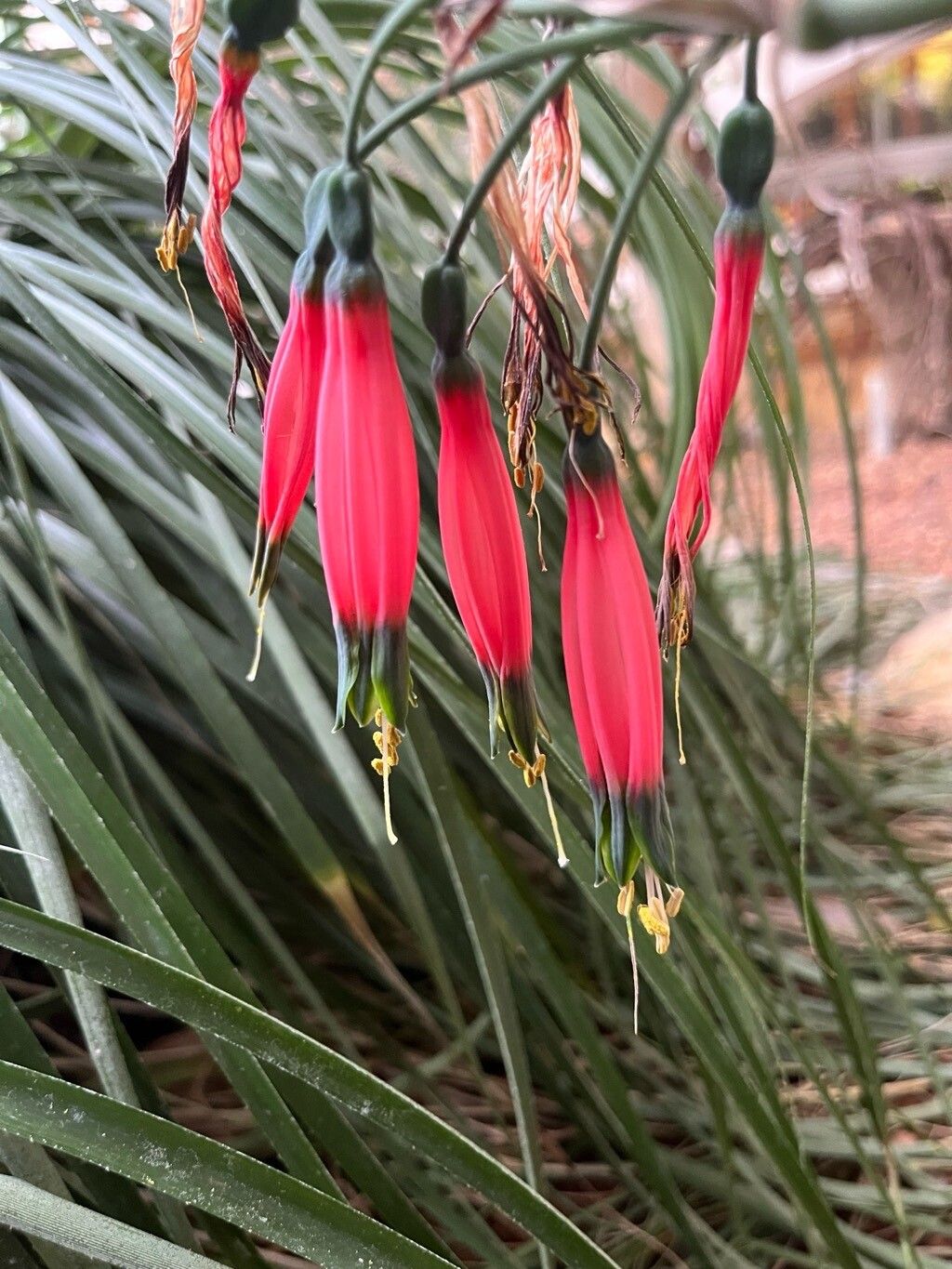
The Phaedranassa cinerea, affectionately known as the Queen’s Tears or the Gray-striped Amaryllis, is a bulbous beauty hailing from the Andean slopes of Ecuador. With its dramatic, drooping, pink-tinged flowers and strappy, silver-green leaves, this exotic plant is a showstopper in any garden or home. While acquiring one of these regal specimens might be a treat, learning to propagate them offers a rewarding journey into the world of plant parenthood.
This guide will demystify the process of propagating Phaedranassa cinerea, exploring two main methods:
1. Offsets (Bulbils): A Legacy of Royalty
Just like royalty expands its lineage, the Queen’s Tears conveniently produce miniature versions of themselves, known as offsets or bulbils. These small bulbs sprout around the base of the mother bulb, essentially clones ready to claim their own throne.
- The Royal Treatment: Gently unearth the mother bulb in late winter or early spring when the plant is dormant. Carefully detach the offsets, ensuring they have some roots attached for optimal success.
- Coronation Time: Plant each offset individually in well-draining potting mix, ensuring the top of the bulb sits slightly above the soil line. Water sparingly until new growth appears, signaling the start of their reign.
2. Seeds: A Journey of Patience and Potential
For those seeking a more adventurous approach, propagating Phaedranassa cinerea from seeds offers a unique experience. While slightly more time-consuming, this method allows you to witness the full cycle of life unfold.
- Gathering Royal Jewels: Allow the seed pods to dry completely on the plant before collecting. Inside, you’ll find papery, black seeds, resembling tiny, flat jewels.
- Sowing the Seeds of Royalty: Sow the seeds in a well-draining, seed-starting mix, just barely covering them with a sprinkle of soil. Mist the surface regularly to maintain consistent moisture.
- Patience, Your Highness: Seed germination can take anywhere from a few weeks to a few months. Once the seedlings are large enough to handle, carefully transplant them into individual pots.
Key Factors for Success:
Regardless of your chosen propagation method, these royal subjects thrive in specific conditions:
- Bright, Indirect Light: Choose a location that mimics their native Andean habitat, offering dappled sunlight or bright, indirect light.
- Well-Draining Soil: Prevent root rot by using a well-draining potting mix specifically designed for succulents or cacti.
- Watering with Care: Queen’s Tears prefer a slightly drier environment. Allow the soil to dry out between waterings to avoid soggy conditions.
- Temperature and Humidity: Aim for temperatures between 60-75°F (15-24°C) and moderate humidity levels.
Propagating Phaedranassa cinerea is a rewarding endeavor, offering the satisfaction of expanding your plant family with these majestic beauties. So, embrace your inner plant royalty, roll up your sleeves, and let the propagation journey begin!