
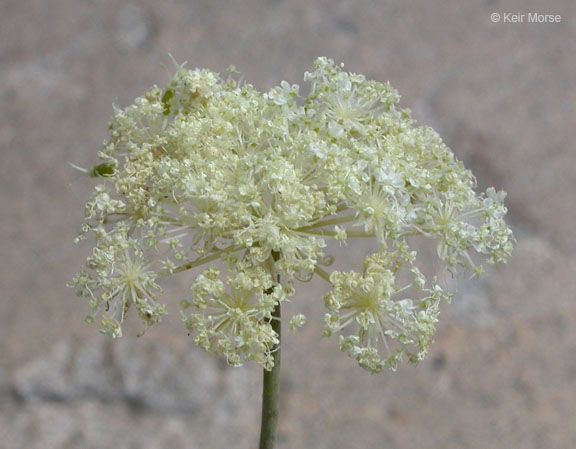
Unveiling the Secrets: How to Propagate Perideridia bolanderi (and Why You Should!)
Perideridia bolanderi, also known as the Yampa or Bolander’s yampah, is a hidden gem of the plant world. This striking perennial boasts delicate, fern-like foliage and produces clusters of dainty white flowers, making it a captivating addition to gardens seeking a touch of wild beauty. But beyond its aesthetics, Perideridia bolanderi holds cultural and ecological significance, its edible roots once a vital food source for Native American tribes.
Intrigued? Then join us as we delve into the rewarding journey of propagating this fascinating plant.
Understanding Perideridia bolanderi
Native to Western North America, this member of the carrot family thrives in moist meadows and woodland edges. It prefers partial shade and well-drained soil, showcasing its resilience by tolerating clay, loam, and sandy soil types. Understanding its natural habitat provides valuable clues for successful propagation.
Two Paths to Propagation
While Perideridia bolanderi may sound exotic, propagating it is surprisingly achievable for both seasoned gardeners and enthusiastic beginners. You can choose between two primary methods:
1. Seed Propagation:
- Timing is Key: Sow seeds in late fall or early winter for optimal germination, mimicking the plant’s natural life cycle.
- Cold Stratification: Perideridia bolanderi seeds benefit from a period of cold, moist conditions, known as cold stratification. In nature, winter provides this; for home propagation, store seeds in moist vermiculite in the refrigerator for 4-6 weeks before sowing.
- Planting Depth: Sow seeds approximately ¼ inch deep in well-drained seed starting mix.
- Patience is a Virtue: Germination can be slow, sometimes taking several weeks or even months. Be patient and keep the soil consistently moist but not waterlogged.
2. Division:
- Timing: Divide established clumps in early spring or fall.
- Divide and Conquer: Carefully dig up a mature plant, ensuring minimal root disturbance. Gently separate the clump into smaller sections, each with healthy roots and shoots.
- Replanting: Plant the divisions at the same depth they were previously growing, spacing them 12-18 inches apart.
- Water Wisely: Provide consistent moisture as the divisions establish themselves.
Nurturing Your New Plants
Once your Perideridia bolanderi plants are established, whether from seed or division, provide them with:
- Well-drained Soil: Ensure proper drainage to prevent root rot.
- Regular Watering: Maintain consistent moisture, especially during dry periods.
- Sun Protection: Partial shade is ideal, offering protection from harsh afternoon sun.
- Minimal Fertilization: Perideridia bolanderi thrives in leaner soils, so fertilization is generally unnecessary.
Reaping the Rewards
Successfully propagating Perideridia bolanderi offers a wealth of rewards:
- Ecological Contribution: You’ll contribute to the preservation of this valuable native plant.
- Garden Enrichment: Its delicate beauty adds a touch of effortless elegance to your garden.
- Historical Connection: Cultivating this plant connects you to its significant role in Native American culture.
Whether you’re drawn to its historical significance, ecological importance, or simply its unique beauty, propagating Perideridia bolanderi is a fulfilling endeavor. With patience and care, you can cultivate this captivating plant, adding a touch of wild wonder to your own backyard.