
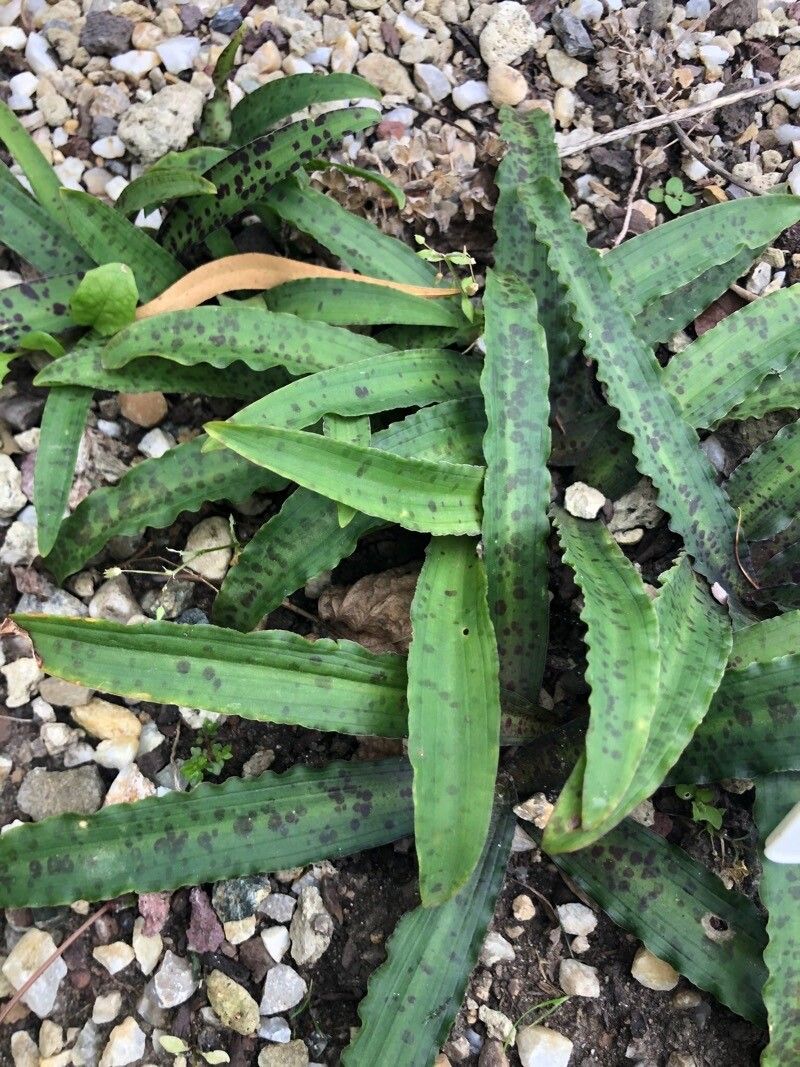
Unveiling the Secrets of the Pineapple Lily: Propagating Eucomis vandermerwei
Eucomis vandermerwei, the captivating Pineapple Lily, with its unique pineapple-like blooms and attractive foliage, is a showstopper in any garden. But what if you could multiply this botanical wonder and share its splendor? This guide delves into the fascinating world of propagating Eucomis vandermerwei, empowering you to expand your floral kingdom.
Understanding the Basics
Before diving into propagation methods, let’s understand the plant’s life cycle. Eucomis vandermerwei is a bulbous perennial, meaning it regrows every year from an underground storage organ – the bulb. This characteristic offers us two primary ways to propagate them:
1. Bulb Offsets:
- The Process: This method involves separating the naturally occurring baby bulbs, often called offsets or “pups,” from the mother bulb. In late summer or early fall, as the foliage starts to die back, carefully dig up the clump. Gently detach the offsets, ensuring each one has some roots attached.
- Pros: Relatively simple, high success rate, maintains the genetic integrity of the parent plant.
- Cons: Limited number of offsets produced each year.
2. Seed Propagation:
- The Process: Collect seeds from mature seed pods after the flowers fade. Sow them in a well-draining seed starting mix, keeping the soil consistently moist. Provide warmth (around 70°F) and bright indirect light.
- Pros: Potential for large-scale propagation.
- Cons: Requires more patience, variable success rate, might not retain exact characteristics of the parent plant.
Choosing the Right Method:
- Bulb offsets are perfect for quickly multiplying your existing plants. If you’re happy with the current characteristics of your Eucomis vandermerwei, this is the way to go.
- Seed propagation is ideal for experimenting with potential variations in blooms and foliage. It’s also an exciting way to build a substantial collection if you’re starting from scratch.
Essential Tips for Success:
- Timing is Key: The optimal period for both methods is during the dormant stage (late summer to early fall).
- Soil Matters: Use well-draining soil to prevent bulb rot, both for offsets and seedlings.
- Patience is a Virtue: Seedlings can take several years to mature and produce blooms. Be patient and provide consistent care.
- Protection from Frost: While Eucomis vandermerwei is relatively hardy, it’s best to provide winter protection for young offsets and seedlings, especially in colder climates.
The Joys of Propagation:
Propagating Eucomis vandermerwei is more than just multiplying plants; it’s about deepening your connection with nature and experiencing the thrill of creating new life. Witnessing a plant you nurtured from a tiny offset or seed blossom into its full glory brings a level of satisfaction unlike any other. So, embrace the adventure, get your hands dirty, and let the propagation journey begin!