
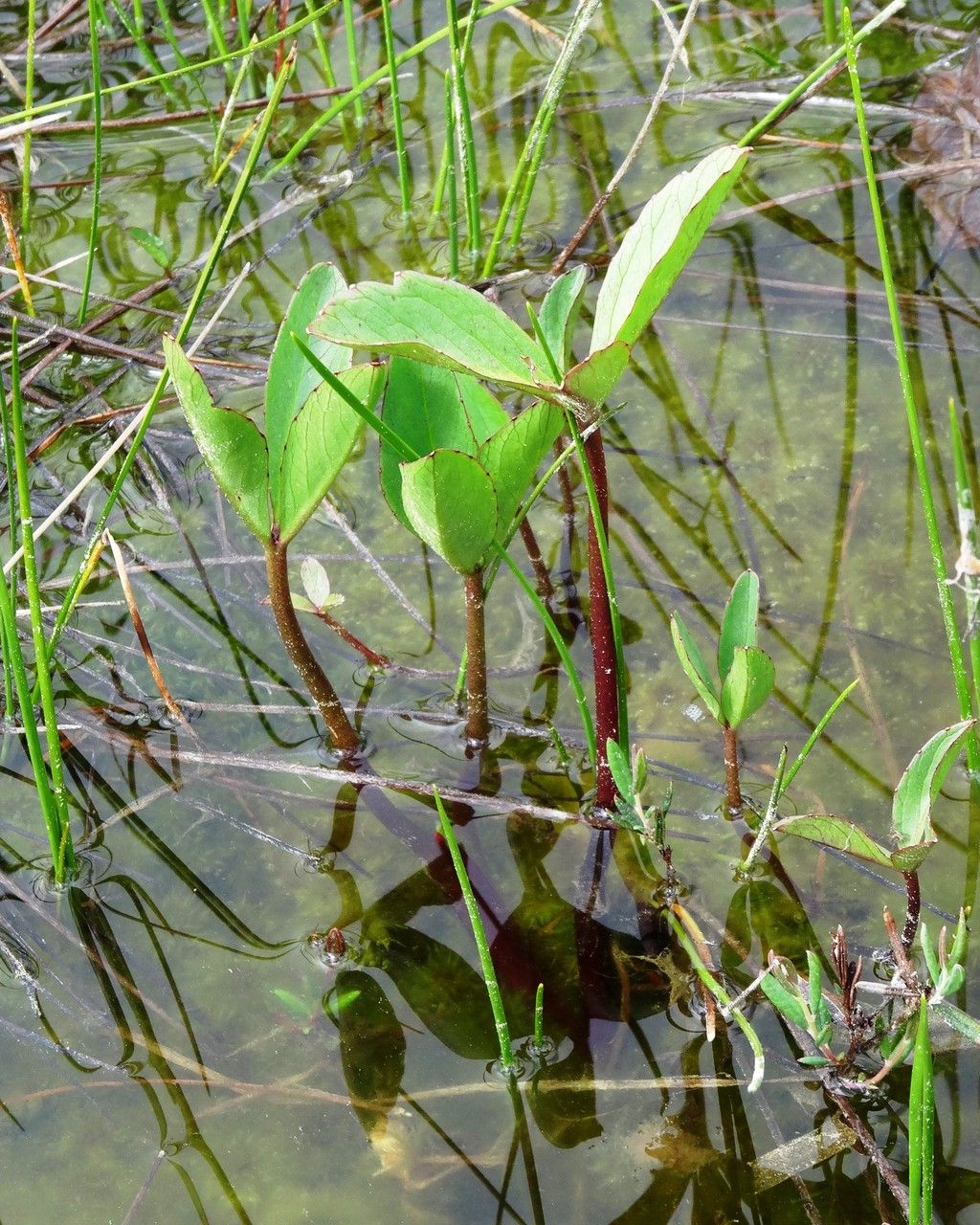
Unlocking the Secrets of Bogbean Propagation: From Seed to Splendor
Menyanthes trifoliata, more affectionately known as bogbean, is a captivating aquatic plant that graces ponds and water gardens with its charming white blooms and unique clover-like foliage. If you’re enchanted by its beauty and wish to welcome more of these aquatic gems into your water feature, understanding bogbean propagation is key.
While it may sound intimidating, propagating Menyanthes trifoliata is an achievable endeavor that offers a rewarding experience for gardeners of all levels. Let’s dive into the fascinating world of bogbean propagation and explore the different methods you can employ:
1. Seed Propagation: A Journey of Patience and Reward
Propagating bogbean from seed is a fulfilling experience that allows you to witness the plant’s entire life cycle. Here’s how you can embark on this journey:
- Harvesting Seeds: Collect ripe seed pods from existing bogbean plants in late summer or early fall. These pods turn brown and slightly open when the seeds are ready.
- Sowing the Seeds: Sow the seeds immediately after collection in a seed tray filled with a mix of peat moss and sand. Ensure the soil stays consistently moist.
- Providing Ideal Conditions: Place the seed tray in a bright location, avoiding direct sunlight, and maintain temperatures between 65-75°F (18-24°C).
- Germination: Be patient – bogbean seeds can take anywhere from a few weeks to several months to germinate.
- Transplanting: Once the seedlings develop a few true leaves, carefully transplant them into individual pots filled with a water garden soil mix.
2. Division: Multiplying Your Bogbean Treasures
Dividing established bogbean plants is an efficient method for propagation, offering faster results compared to growing from seed.
- Choosing the Right Time: Spring, just as new growth emerges, is the ideal time for division.
- Dividing the Plant: Carefully lift the bogbean clump from its container or pond. Using a sharp, clean knife, divide the rhizomes, ensuring each section has a good amount of roots and shoots.
- Repotting: Repot the divided sections into their own containers or directly into your pond, keeping the rhizomes slightly submerged.
3. Cuttings: Harnessing the Power of Stems
Taking stem cuttings during the growing season provides another effective way to propagate bogbean.
- Preparing the Cuttings: Select healthy stems and cut sections about 4-6 inches long. Remove the lower leaves and make a small cut at the base of each cutting.
- Rooting Hormone (Optional): Dipping the cut ends in rooting hormone can encourage faster root development.
- Planting the Cuttings: Plant the cuttings in a moist mix of peat moss and sand, ensuring the leaf nodes (where the leaves were attached) are buried.
- Maintaining Humidity: Cover the cuttings with a plastic bag or humidity dome to create a warm, humid environment.
- Root Development: After several weeks, gently tug on the cuttings to check for resistance, which indicates root formation.
Propagating bogbean is a rewarding experience that allows you to expand your collection of this captivating aquatic plant. Whether you choose to sow seeds, divide rhizomes, or take cuttings, following these tips will help ensure successful propagation and bring the beauty of Menyanthes trifoliata to your water garden for years to come.