
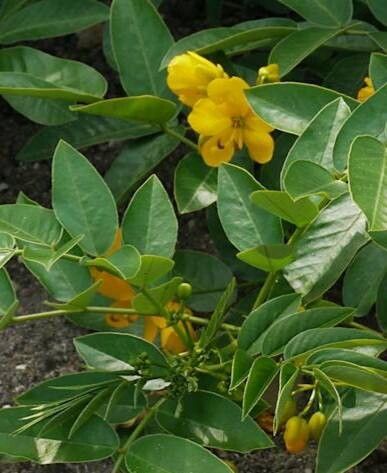
Unlocking the Secrets of Senna septemtrionalis: A Propagation Guide
Senna septemtrionalis, also known as the arsenic bush or desert cassia, is a captivating plant with bright yellow flowers, feathery foliage, and a fascinating backstory rooted in traditional medicine. While its beauty and resilience make it a welcome addition to gardens, many enthusiasts find themselves wondering about the best ways to propagate this intriguing species.
Luckily, propagating Senna septemtrionalis is a manageable task that can be achieved through two primary methods: seeds and cuttings.
Method 1: Seed Propagation
- Seed Collection: The first step is collecting mature seed pods from an existing plant. Look for pods that have turned brown and dried out, usually in the late summer or fall. You can gently squeeze the pods – if they readily split open, the seeds are ready.
- Seed Preparation: Senna septemtrionalis seeds have a hard outer coating that can inhibit germination. To increase success, it’s beneficial to scarify the seeds. You can achieve this by gently rubbing them between two pieces of sandpaper or nicking them with a nail clipper.
- Sowing the Seeds: Sow the seeds in a well-draining seed starting mix, planting them about ¼ inch deep. Mist the soil lightly and keep it consistently moist but not waterlogged.
- Providing Optimal Conditions: Place the seed tray in a warm, brightly lit location, ideally with temperatures around 70-75°F.
- Germination Time: Depending on the freshness of the seeds and environmental conditions, germination can take anywhere from a week to several weeks.
- Transplanting: Once the seedlings have developed a strong root system and at least two sets of true leaves, they are ready to be transplanted into individual pots or directly into the garden.
Method 2: Propagation from Cuttings
- Choosing the Right Cuttings: Select healthy, non-flowering stems from the current season’s growth that are about 4-6 inches long.
- Preparing the Cuttings: Using a sharp, sterilized knife or pruning shears, make a clean cut just below a leaf node. Remove the leaves from the bottom inch or two of the cutting.
- Using Rooting Hormone (Optional): While not strictly necessary, dipping the cut end of the stem in rooting hormone can encourage faster and more successful root development.
- Planting the Cuttings: Insert the cuttings into a well-draining rooting medium, such as perlite or vermiculite, making sure that at least one leaf node is buried. Water thoroughly.
- Creating a Humid Environment: Cover the cutting with a clear plastic bag or humidity dome to help retain moisture.
- Monitoring Root Development: Place the cuttings in a warm, bright location but out of direct sunlight. It can take several weeks for roots to form. Check for resistance when gently tugging on the cutting – this indicates roots are developing.
- Transplanting: Once the cuttings have developed a healthy root system, they can be transplanted into individual pots or directly into the garden.
Tips for Success:
- Senna septemtrionalis thrives in well-drained soil and full sun to partial shade.
- Water regularly during the first growing season to establish a strong root system.
- Once established, this plant is relatively drought-tolerant.
Propagating your Senna septemtrionalis is a rewarding experience that allows you to multiply your collection and share the beauty of this extraordinary plant with others. With a little patience and care, you can enjoy watching your new plants flourish and bring a touch of vibrant yellow to your garden year after year.