
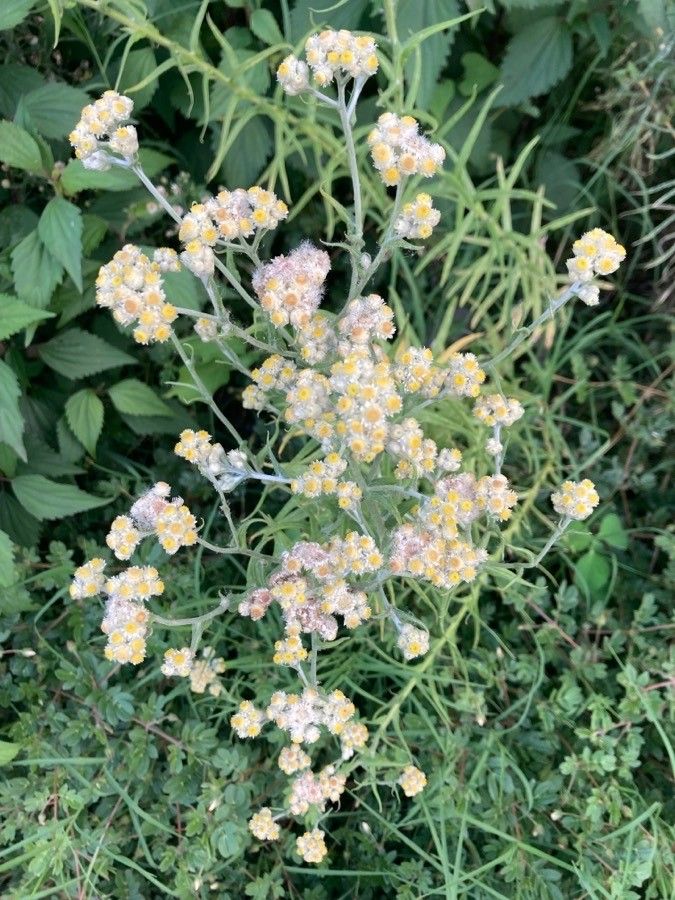
Spreading the Sticky Love: Propagating Pseudognaphalium viscosum
Pseudognaphalium viscosum, more commonly known as Western pearly everlasting or sticky cudweed, isn’t just a mouthful to say – it’s a fascinating plant with a delicate beauty and a knack for thriving in unexpected places. If you’ve ever been captivated by its clusters of pearly white blooms and want to welcome it into your own garden, you’re in luck! Propagating this hardy native is easier than you might think.
Two Paths to Propagation
Pseudognaphalium viscosum can be propagated in two main ways: by seed and by division.
1. Starting from Seed: A Rewarding Journey
- Timing is Key: For best results, sow your seeds in the fall or early spring, directly into the soil or in seed trays.
- Embrace the Chill: Pseudognaphalium viscosum seeds actually benefit from a period of cold stratification, mimicking their natural winter dormancy. If sowing in spring, consider chilling your seeds in the refrigerator for a few weeks prior.
- Light Touch: These seeds need light to germinate, so press them gently onto the surface of your soil rather than burying them.
- Patience, Young Padawan: Germination can take anywhere from a few weeks to a couple of months, so don’t despair if you don’t see sprouts immediately.
- Transplanting Time: Once your seedlings are a few inches tall and the danger of frost has passed, they can be transplanted to their permanent location in your garden.
2. Division: Sharing the Bounty
Established Pseudognaphalium viscosum plants are generous creatures, often forming clumps that can be easily divided. This method offers a quicker route to new plants.
- Digging Deep: In early spring or fall, carefully dig up a mature plant, ensuring you get a good root mass.
- Gently Divide: Using a sharp knife or your hands, separate the clump into smaller sections, ensuring each division has a good portion of roots and shoots.
- Replant and Thrive: Replant the divisions at the same depth they were originally growing and water them well.
Creating the Perfect Home
No matter your chosen propagation method, providing the right environment is crucial for your Pseudognaphalium viscosum to flourish. Mimic its preferred natural habitat:
- Sun Seeker: Plant in a sunny location, though it can tolerate some light shade.
- Well-Drained Soil: This resilient plant prefers well-drained soil and can even thrive in sandy or gravelly areas.
- Water Wisely: While it appreciates regular watering, especially when young, Pseudognaphalium viscosum is relatively drought-tolerant once established.
- Low Maintenance Beauty: This plant doesn’t require much fussing over. Deadheading spent blooms can encourage more flowering, and dividing established plants every few years will maintain their vigor.
The Rewards of Your Labor
With a little patience and care, you can enjoy the unique charm of Pseudognaphalium viscosum in your own backyard. Its delicate beauty, ability to attract pollinators, and impressive resilience make it a truly rewarding addition to any garden. So why not give propagation a try? You might just discover a new passion for spreading the sticky love.