
Unlocking the Secrets of Muscari Propagation: From Bulbils to Blooms
Muscari, also known as grape hyacinths, are a cheerful harbinger of spring, captivating us with their charming clusters of grape-like flowers. While admiring their beauty is a delight, learning to propagate these floral gems opens the door to an endlessly blooming garden. Today, we’ll focus on the magnificent Muscari macrocarpa, exploring the different methods to multiply your stock and ensure a symphony of blue hues year after year.
Muscari macrocarpa: A Closer Look
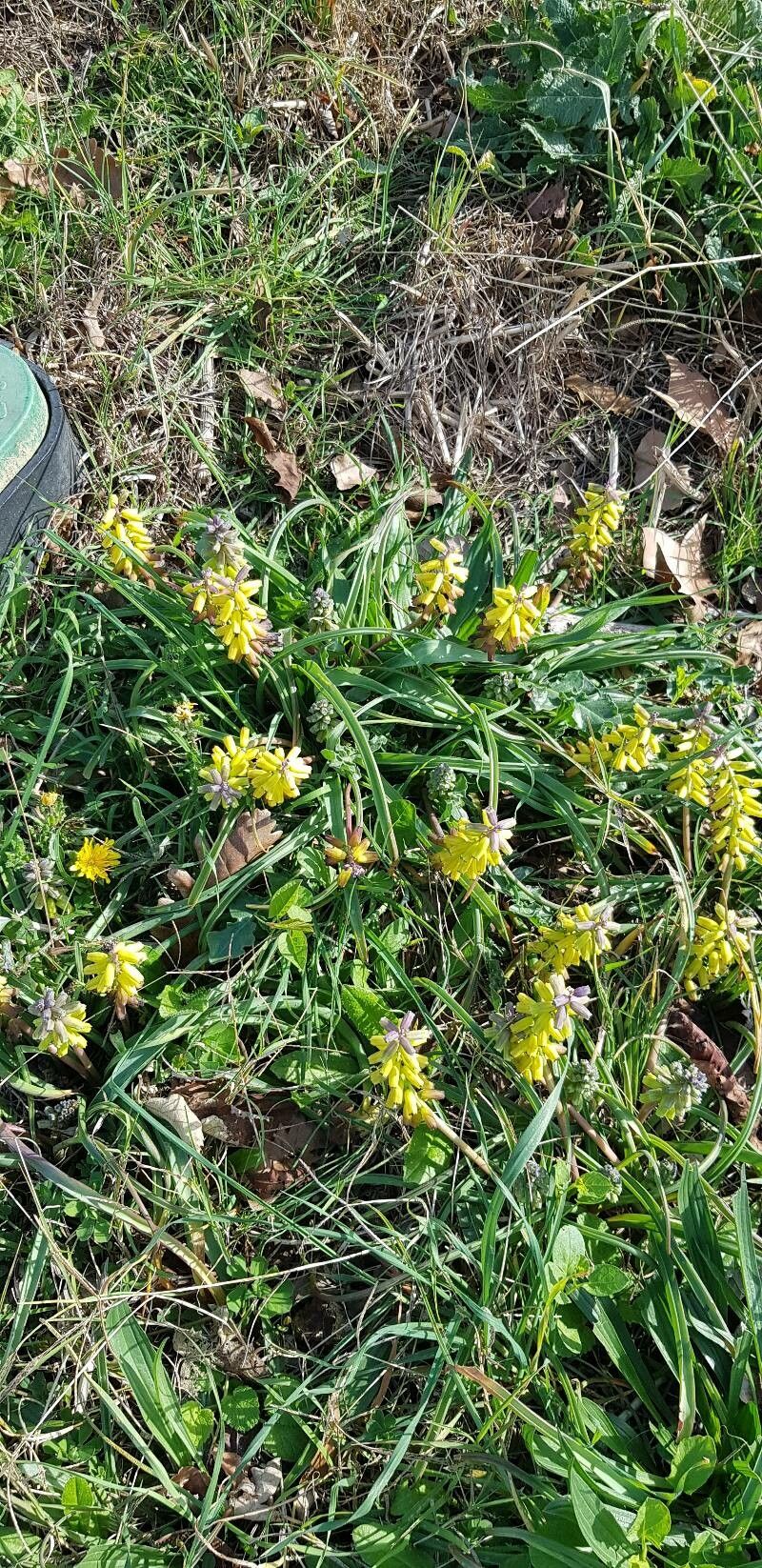
Before delving into propagation, let’s get acquainted with this particular species. Unlike the common Muscari armeniacum with its vibrant blue blooms, Muscari macrocarpa boasts stunning, larger-than-life flowers in a mesmerizing shade of greenish-yellow, often accented with purple. This unique coloration makes it a striking addition to any garden and a true conversation starter.
Method 1: Bulbils – Nature’s Little Helpers
The simplest and most natural way to propagate Muscari macrocarpa is through bulbils – small, offset bulbs produced by the mother bulb. Here’s how it works:
- Timing is Key: After the foliage dies back in late summer, carefully lift the entire clump from the ground.
- Gentle Separation: Gently separate the bulbils from the mother bulb. Smaller bulbils might need another year to mature before flowering.
- Replanting: Replant the bulbils immediately in well-drained soil, about 2-3 inches deep and spaced 3-4 inches apart. Water them well and watch them work their magic come springtime!
Method 2: Seed Sowing – A Test of Patience
Propagating Muscari macrocarpa from seed is possible but requires more patience. The seeds need a period of cold stratification to germinate:
- Harvesting the Seeds: Collect ripe seed pods after flowering and allow them to dry thoroughly.
- Cold Stratification: Sow the seeds in a seed tray filled with a well-draining seed-starting mix. Place the tray in a refrigerator (not freezer!) for about 4-6 weeks.
- Awakening the Seeds: After the chilling period, move the seed tray to a warm, bright location, but out of direct sunlight. Keep the soil moist.
- First Blooms: Germination can be erratic and may take several weeks. Be patient! It might take a couple of years for the seedlings to mature and produce flowers.
Additional Tips for Success:
- Well-Drained Soil: Muscari bulbs are susceptible to rotting in waterlogged soil. Ensure excellent drainage by amending clay soil with sand or compost.
- Sun or Shade? Muscari macrocarpa thrives in full sun to partial shade.
- Divide and Conquer: Even if you don’t intend to propagate extensively, dividing overgrown clumps every 3-4 years ensures healthy growth and continuous blooming.
The Joy of Propagation:
Propagating your Muscari macrocarpa isn’t just about multiplying your plants; it’s about deepening your connection with the natural world. It’s about witnessing the miracle of life unfolding before your very eyes, one tiny bulbil or seed at a time. So, roll up your sleeves, get your hands a little dirty, and let the propagation journey begin!