
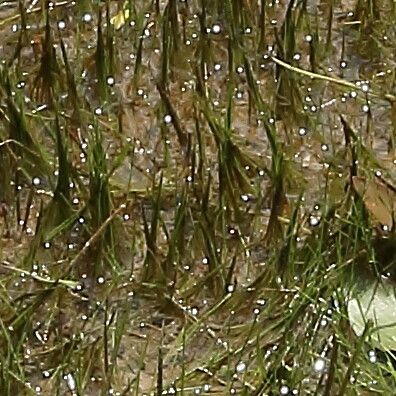
Unrolling the Mystery: Propagating the Curious Case of Pilularia globulifera
Pilularia globulifera, also known as pillwort, is a fascinating aquatic fern that captivates with its unique appearance and intriguing life cycle. This unusual plant, resembling a miniature clover with its thin, thread-like leaves, holds a special appeal for water garden enthusiasts and plant lovers looking for something truly distinct. But how do you go about propagating this fascinating fern and inviting its charm into your own aquatic haven? Let’s dive into the world of Pilularia globulifera propagation.
Understanding the Pillwort’s Lifecycle
Before venturing into propagation methods, it’s crucial to understand a bit about the pillwort’s fascinating life cycle. Unlike typical ferns that reproduce through spores, Pilularia globulifera takes a more unusual route. It develops small, pill-shaped structures, hence its name, at the base of its leaves. These “pills” house the reproductive parts of the plant.
Methods of Propagation:
While not as commonly propagated as some aquatic plants, Pilularia globulifera can be multiplied through two primary methods:
Spore Propagation:
- Collection: As the pill-like structures mature, they release spores. These spores can be collected carefully with a fine brush or by submerging the mature “pills” in a small container of water to allow for natural release.
- Sowing: Prepare a shallow tray or pot with a mixture of peat moss and sand. Sprinkle the collected spores on the surface and lightly mist with water, ensuring the medium remains consistently moist. Cover the tray with a clear plastic wrap or lid to create a humid environment mimicking the plant’s natural habitat.
- Patience is Key: Spore propagation requires patience. It can take several weeks or even months for the spores to germinate and develop into tiny plantlets. Once the plantlets are large enough to handle, they can be carefully transplanted into individual pots or your desired water feature.
- Division:
- Ideal Time: The optimal time for division is during the spring or early summer when the plant is actively growing.
- Gentle Separation: Carefully remove the pillwort clump from its container or pond. Gently tease apart the rhizomes (underground stems), ensuring each division has a good amount of roots and leaves attached.
- Repotting: Plant each division into a separate pot filled with aquatic plant soil or a suitable substrate for water gardens. Ensure the crown of the plant remains above the soil line.
Creating the Ideal Environment for Pilularia globulifera:
Whether you choose to propagate through spores or division, replicating the pillwort’s preferred environment is essential for successful growth:
- Light: Provide bright, indirect light or dappled shade. Direct sunlight can be too harsh.
- Water: Choose still or slow-moving water conditions. Pilularia thrives in shallow water, ideally with a depth of 2-5 inches.
- Substrate: A nutrient-rich substrate designed for aquatic plants is ideal. A mixture of loam, sand, and compost can also create a suitable growing medium.
Patience and Observation are Key:
Propagating Pilularia globulifera might require a bit of patience, but the reward of nurturing this unique aquatic fern is well worth the effort. By understanding its life cycle, choosing an appropriate propagation method, and providing suitable growing conditions, you can invite the intriguing charm of the pillwort into your own water garden or aquatic plant collection.