
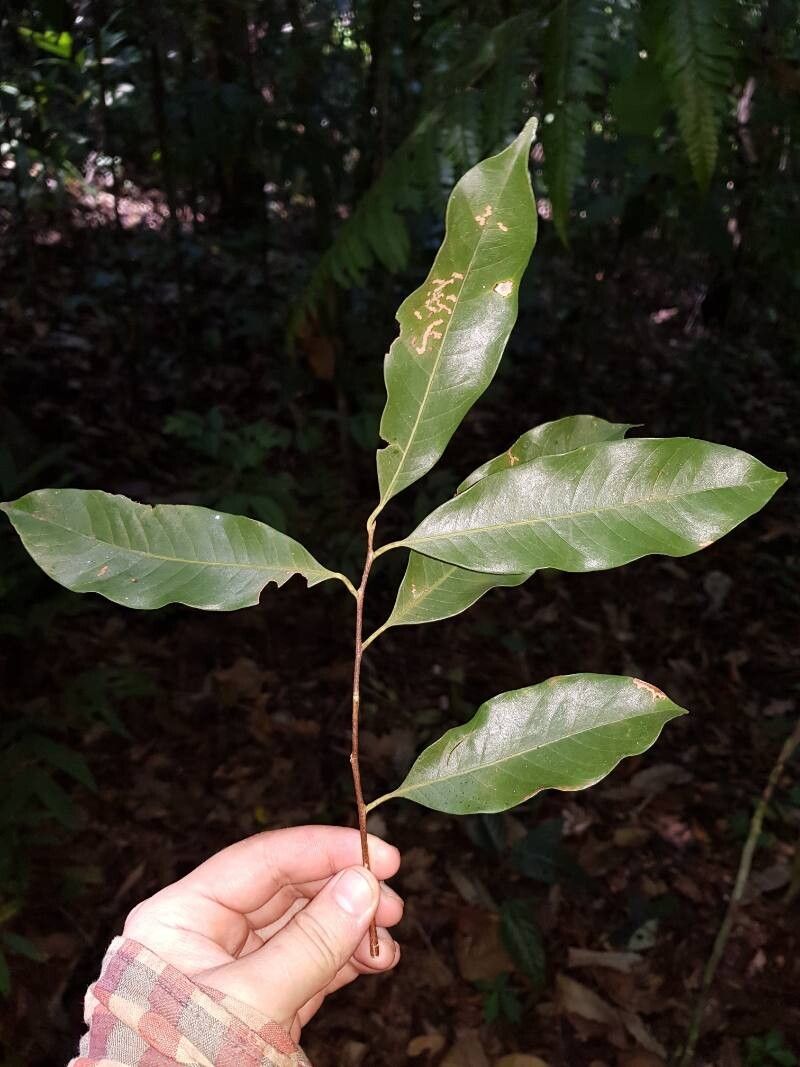
Unlocking the Secrets of Pouteria foveolata Propagation: A Guide for Enthusiasts
Pouteria foveolata, a lesser-known tropical fruit tree, holds immense potential for both its delectable fruit and its ecological importance. Native to regions of Central and South America, this evergreen species is steadily gaining popularity amongst adventurous gardeners and fruit enthusiasts. However, information about its propagation can be scarce and often shrouded in technical jargon. Fear not, fellow plant lovers, for this guide aims to demystify the process and equip you with the knowledge to successfully propagate your very own Pouteria foveolata.
Seed Propagation: A Test of Patience
The most common, and arguably most rewarding, method for propagating Pouteria foveolata is through seeds. However, patience is key here, as the journey from seed to sapling can be a long one.
Here’s a step-by-step guide:
- Seed Selection & Preparation: Choose fresh, healthy seeds extracted from ripe fruits. Remove any clinging pulp and soak the seeds in water for 24 hours to enhance germination rates.
- Sowing the Seeds: Utilizing a well-draining seed starting mix, sow the seeds about an inch deep in individual pots.
- Creating a Humid Environment: Maintain consistent moisture and humidity by misting the soil regularly and covering the pots with a plastic wrap or a humidity dome.
- Patience is Paramount: Germination can take anywhere from a few weeks to several months. Place the pots in a warm, shaded location and continue to provide adequate moisture.
- Transplanting the Seedlings: Once the seedlings develop a couple of sets of true leaves, they can be carefully transplanted into larger pots or directly into the ground.
Important Note: Seeds from Pouteria foveolata can sometimes exhibit dormancy, meaning they may take longer than expected to sprout. Don’t lose hope if your seeds don’t germinate immediately.
Air Layering: A Faster, More Controlled Approach
For those seeking quicker results and a higher success rate, air layering presents an excellent alternative. This method involves encouraging root development on a branch while it is still attached to the parent plant.
Here’s how it’s done:
- Selecting a Branch: Choose a healthy, mature branch that is at least 1-2 centimeters in diameter.
- Wounding the Branch: Carefully make a shallow, upward cut about 1-2 inches long on the selected branch.
- Applying Rooting Hormone: (Optional but recommended) Dust the wounded area with a rooting hormone to stimulate root growth.
- Creating a Moist Environment: Wrap the wounded section with moist sphagnum moss and enclose it with plastic wrap, ensuring tightness to retain moisture.
- Monitoring Root Development: After several weeks, check for root formation. Once a healthy root system has developed, carefully cut the branch below the wrapped section and pot the new plant.
Conclusion: Embracing the Journey of Propagation
Propagating Pouteria foveolata, though requiring some patience and care, is a deeply rewarding endeavor. Whether you choose the traditional route of seed propagation or the more rapid method of air layering, you are actively contributing to the preservation and appreciation of this remarkable fruit tree. So, embrace the journey, and soon you’ll be enjoying the sweet rewards of your very own Pouteria foveolata!