
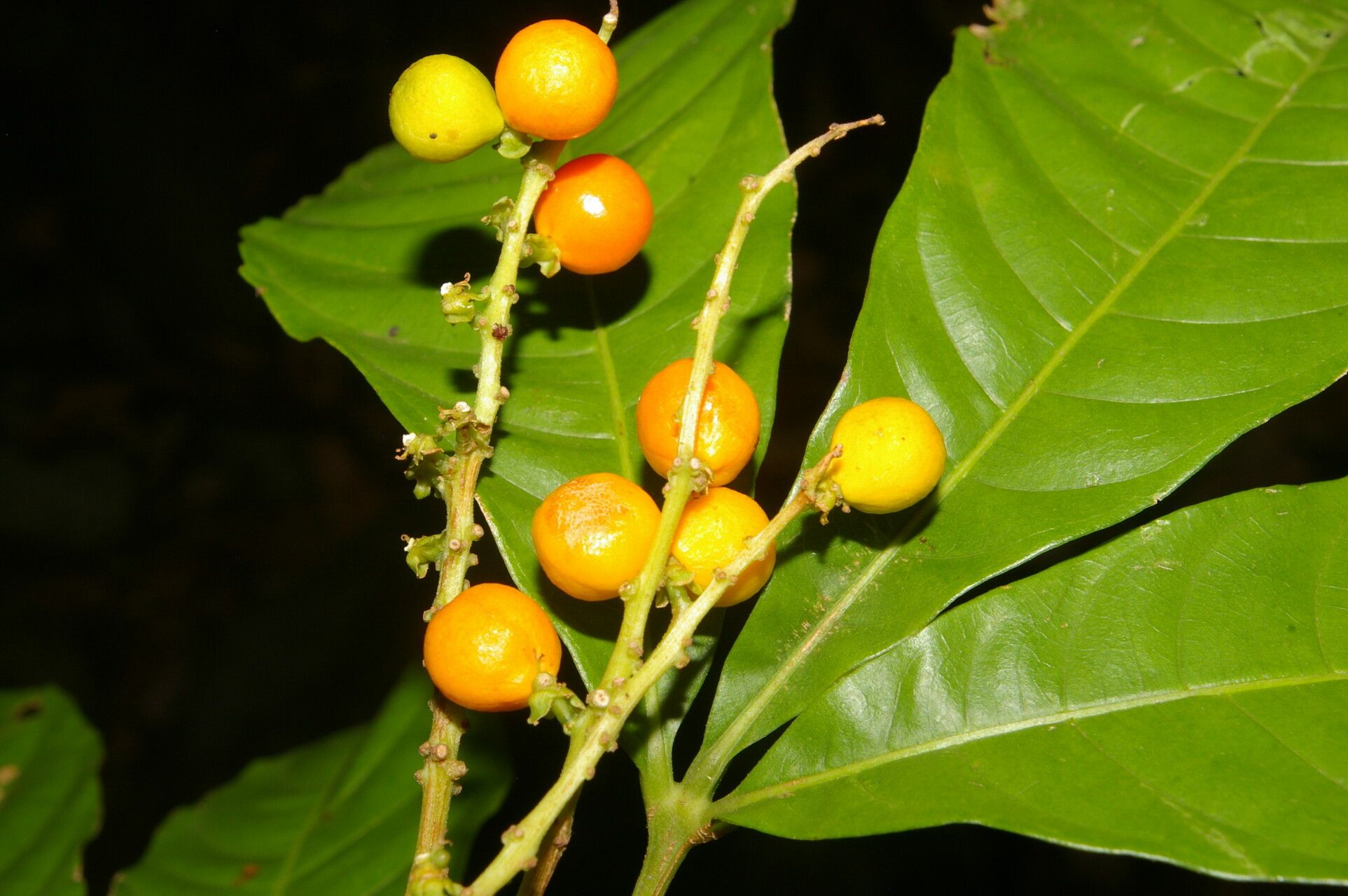
Unveiling the Secrets of Allophylus psilospermus Propagation: A Guide for Plant Enthusiasts
The world of botany is brimming with fascinating species, each with its own unique charm and challenges when it comes to propagation. Today, we delve into the intriguing realm of propagating Allophylus psilospermus, commonly known as the Purple Leaf Allophylus. This tropical beauty, hailing from Southeast Asia, captures hearts with its vibrant foliage that shifts from deep copper to rich purple hues under the sun.
While information on propagating Allophylus psilospermus is somewhat scarce, fear not! This comprehensive guide will equip you with the knowledge to successfully propagate this stunning species.
Two Paths to Propagation
Allophylus psilospermus can be propagated through two primary methods:
Seed Propagation: This method involves germinating seeds collected from mature plants. However, seed availability might be limited, and germination rates can be unpredictable.
- Cutting Propagation: This technique involves rooting stem cuttings taken from a healthy parent plant. It’s generally considered the more reliable and efficient method for Allophylus psilospermus.
Mastering the Art of Cutting Propagation
Let’s explore the step-by-step process of propagating Allophylus psilospermus from cuttings:
What You’ll Need:
- Sharp, sterilized pruning shears or scissors: Clean tools prevent the spread of diseases.
- Rooting hormone (optional but recommended): Encourages faster root development.
- Well-draining potting mix: A blend of peat moss, perlite, and vermiculite works well.
- Small pots or trays: Choose containers with good drainage.
- Plastic wrap or a humidity dome: Helps maintain moisture around the cuttings.
Step-by-Step Guide:
Take the Cuttings: Select healthy, non-flowering stems from the parent plant. Ideally, choose stems that are about 4-6 inches long and have at least 2-3 leaf nodes. Make a clean cut just below a leaf node.
Prepare the Cuttings: Remove the lower leaves from the cutting, leaving only 2-3 leaves at the top. If the remaining leaves are large, you can cut them in half horizontally to reduce moisture loss.
Apply Rooting Hormone (Optional): Dip the cut end of the stem into rooting hormone powder to stimulate root growth.
Plant the Cuttings: Fill your pots or trays with the well-draining potting mix. Make a small hole in the center and gently insert the cutting, ensuring that at least one leaf node is buried.
Water and Cover: Thoroughly water the cuttings and cover the containers with plastic wrap or a humidity dome to create a warm, humid environment.
Provide Indirect Sunlight: Place your cuttings in a location with bright, indirect sunlight. Avoid direct sunlight as it can scorch the delicate new growth.
Monitor and Maintain: Check the moisture level regularly and water when the soil feels slightly dry. Mist the cuttings occasionally to increase humidity.
- Be Patient: Root development can take anywhere from a few weeks to a couple of months. Once you see new growth emerging, it’s a sign that your cuttings have successfully rooted.
Transplanting and Beyond
Once your Allophylus psilospermus cuttings have developed a strong root system, you can transplant them into larger pots or directly into your garden. Choose a location with well-drained soil and partial to full sun exposure.
With patience and care, you can unlock the secrets to successfully propagating Allophylus psilospermus, allowing you to enjoy its captivating beauty for years to come. Happy propagating!