
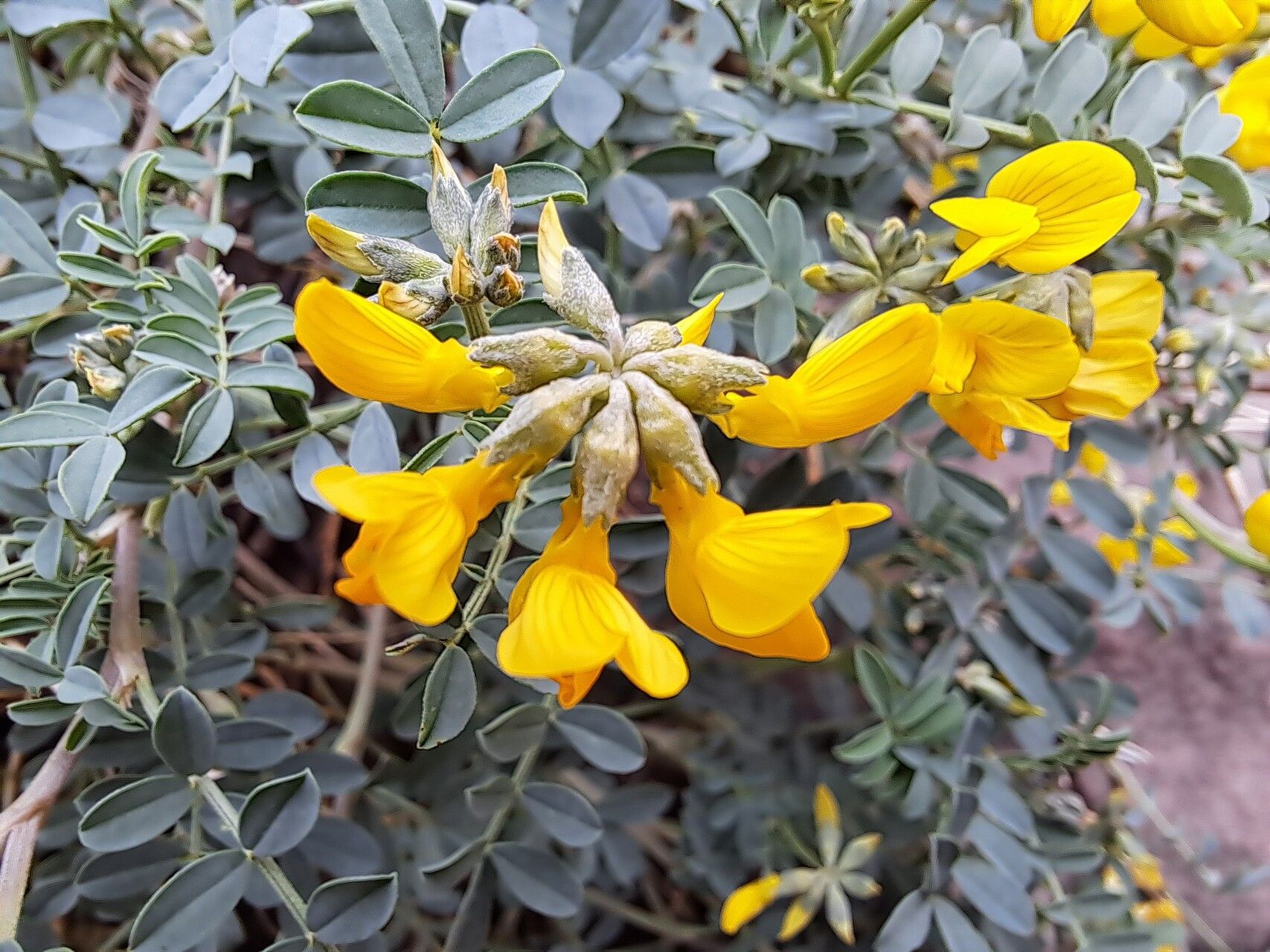
Unlocking the Secrets of the Horseshoe Vetch: A Guide to Propagating Hippocrepis Valentina
The Horseshoe Vetch (Hippocrepis valentina) might not be as familiar as roses or tulips, but this charming Mediterranean native deserves a place in more gardens. With its vibrant yellow blooms resembling miniature horseshoes and its delicate, fern-like foliage, it adds a touch of whimsical beauty to any sunny space. Interested in inviting this unique plant into your garden? Let’s explore the world of propagating Hippocrepis valentina.
Two Paths to Propagation
Hippocrepis valentina can be propagated through two primary methods:
Seed Propagation: This method is ideal for those who enjoy a little challenge and the rewarding experience of nurturing a plant from its earliest stage.
- Cuttings: Offering a faster route to established plants, cuttings are a reliable method, especially for preserving desirable traits of a particular plant.
Method 1: Sowing the Seeds of Success
- Timing is Key: Sow your Horseshoe Vetch seeds in spring after the last frost.
- Preparation is Paramount: Use a well-draining seed starting mix. Moisten the mix before sowing and sprinkle the seeds on the surface, lightly pressing them down.
- Warmth and Light: Place the seed tray in a warm, sunny location (around 70°F or 21°C). A seedling heat mat can be beneficial in cooler climates. Mist the soil regularly to maintain consistent moisture.
- Patience is a Virtue: Germination can be slow and erratic, ranging from a few weeks to a few months. Don’t despair if you don’t see sprouts immediately!
- Transplanting Triumph: Once the seedlings develop a few sets of true leaves, they can be transplanted into individual pots or directly into the garden.
Method 2: Taking the Shortcut with Cuttings
- The Right Time and Tools: Take cuttings in late spring or early summer. Use a sharp, clean knife or pair of pruning shears.
- Selecting a Suitable Candidate: Choose healthy, non-flowering stems about 3-4 inches long.
- Creating the Cutting: Remove the lower leaves from the stem, leaving 2-3 pairs at the top. Dip the cut end in rooting hormone to encourage root development (optional but helpful).
- Planting with Care: Plant the cuttings in a pot filled with a well-draining potting mix. Water gently and cover the pot with a clear plastic bag to create a humid environment.
- Nurturing New Roots: Place the pot in a warm, bright location out of direct sunlight. Keep the soil consistently moist but not soggy.
- Signs of Success: Roots should develop in about 4-6 weeks. Once the cuttings show new growth, you can gradually acclimate them to outdoor conditions before planting them in their permanent location.
Caring for Your Horseshoe Vetch
Whether you choose seed propagation or cuttings, provide your Hippocrepis valentina with the following for optimal growth:
- Sun-Kissed Location: Plant in a spot that receives at least 6 hours of direct sunlight per day.
- Excellent Drainage: Ensure the soil is well-drained to prevent root rot.
- Moderate Watering: Water regularly during dry periods but avoid overwatering.
- Minimal Feeding: These plants are relatively low-maintenance and don’t require frequent fertilization.
Propagating Hippocrepis valentina is an enjoyable journey for both novice and experienced gardeners. With a little patience and care, you’ll be rewarded with a stunning display of these unique and delightful flowers.