
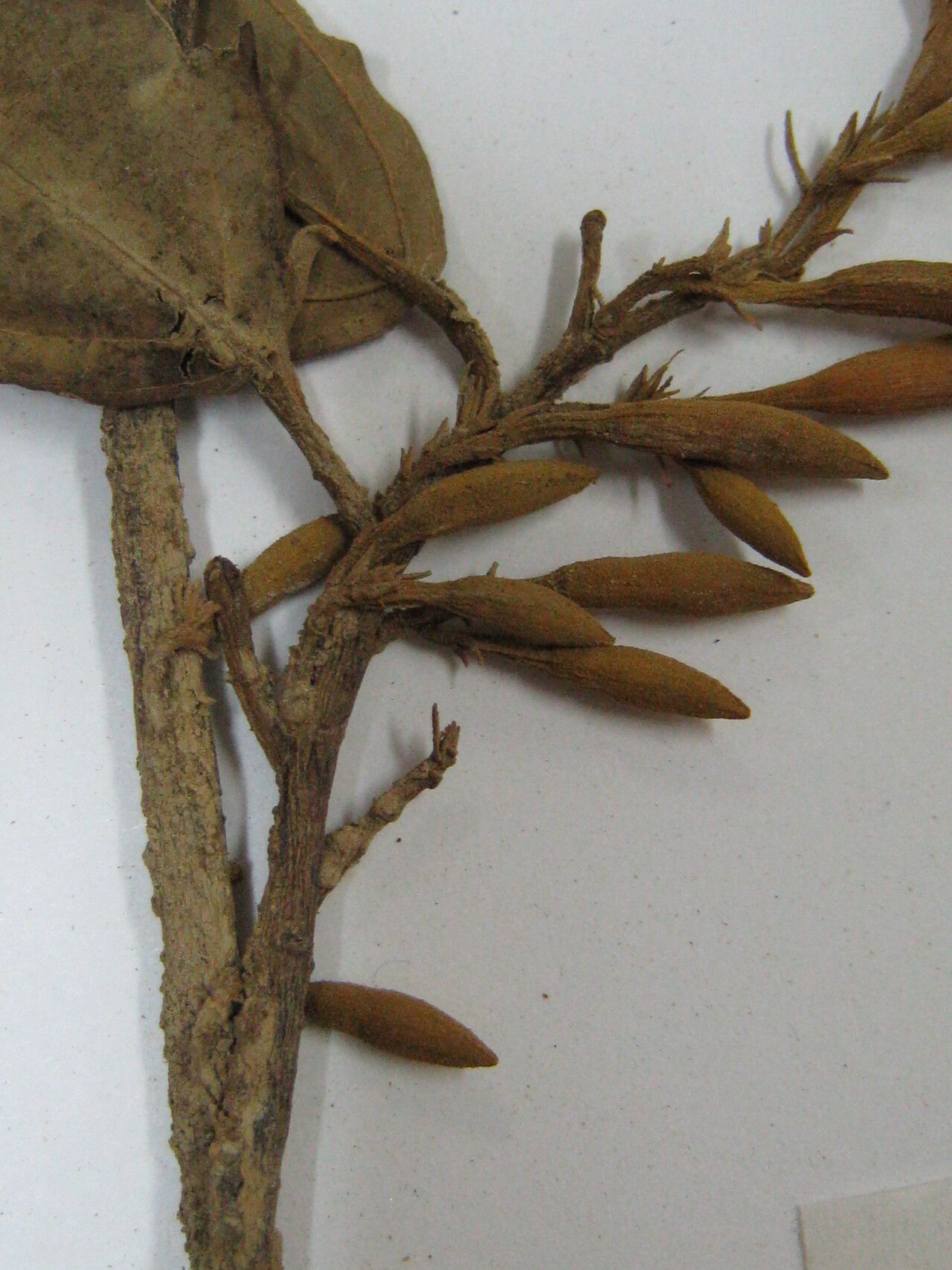
Unlocking the Secrets of the South American Sapote: A Guide to Propagating Quararibea guianensis
The Quararibea guianensis, more commonly known as the South American sapote or Chupa-chupa, is a fascinating fruit tree native to the Amazon rainforest. Prized for its deliciously sweet, creamy fruit and boasting attractive evergreen foliage, this tropical treasure is gaining popularity amongst adventurous gardeners. But successfully cultivating this exotic species begins with understanding its propagation.
While information on propagating Quararibea guianensis can be limited, don’t be discouraged! This guide will equip you with the knowledge to successfully grow this unique tree and hopefully enjoy its delightful fruits.
Two Paths to Propagation: Seeds vs. Cuttings
Quararibea guianensis can be propagated through two main methods: seeds and cuttings.
- Seed Propagation: A Test of Patience
Propagating by seed is the most common method for the South American sapote. However, patience is key. Here’s what you need to know:
- Sourcing Seeds: Fresh seeds offer the highest viability. They can be obtained directly from ripe fruits or sourced from reputable online suppliers specializing in exotic fruit trees.
- Pre-treating Seeds: No scarification (scratching or nicking the seed coat) is typically needed. However, soaking the seeds in room temperature water for 24 hours before sowing can help soften the outer layer and encourage germination.
- Sowing the Seed: Plant seeds about an inch deep in a well-draining seed starting mix. A mix of peat moss, perlite, and vermiculite works well.
- Creating the Ideal Environment: Quararibea guianensis seeds enjoy warmth and humidity. A heated propagation mat can be beneficial, especially in cooler climates. Keep the soil consistently moist but not waterlogged.
- The Waiting Game: Germination can be erratic, ranging from a few weeks to several months. Don’t lose hope! Continue providing proper care, and you’ll eventually be rewarded with seedlings.
- Cutting Propagation: A Quicker, But Trickier, Approach
While less common due to a lower success rate, propagating the South American sapote through cuttings offers the advantage of faster results and preserving the parent tree’s characteristics. Here’s how it’s done:
- Taking the Cutting: Select healthy, semi-hardwood cuttings from the current season’s growth. These are usually found on branches that have just started to harden. Cuttings should ideally be 6-8 inches long.
- Preparing the Cutting: Remove the leaves from the lower third of the cutting. Dip the cut end in a rooting hormone powder to stimulate root development.
- Potting the Cutting: Plant the treated cutting in a well-draining rooting mix similar to the one used for seeds.
- Providing the Right Conditions: Just like seeds, cuttings thrive in warm, humid environments. Use a humidity dome or create a makeshift one by covering the cutting with a clear plastic bag supported by sticks to trap moisture.
- Monitoring Progress: With proper care, roots should develop within a few weeks. Gently tug on the cutting – resistance indicates root development. Once roots are established, transplant the cutting to a larger pot.
A Rewarding Journey for the Patient Gardener
Propagating Quararibea guianensis, whether by seed or cuttings, is undoubtedly a labor of love. Yet, the satisfaction of nurturing this unique tree from its initial stages to ultimately enjoying its delicious fruits makes the journey truly rewarding. So why not embark on this exciting horticultural adventure? The South American sapote awaits dedicated gardeners willing to unlock its secrets and savor its exotic bounty.