
Taming the Cretan Beauty: A Guide to Propagating Ebenus cretica
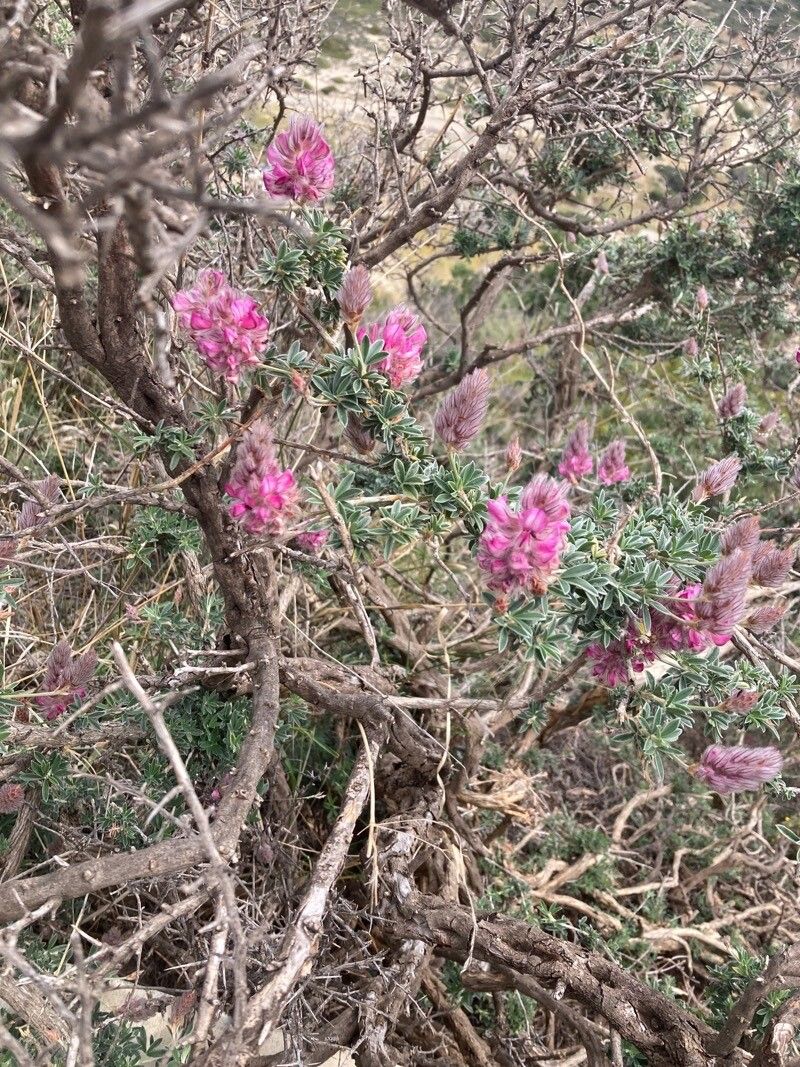
The Ebenus cretica, also known as the Cretan Silverbush, captivates with its stunning display of silvery foliage and vibrant pink blooms. This Mediterranean gem isn’t just a pretty face though; it’s surprisingly hardy and drought-tolerant, making it a desirable addition to many gardens. If you’re dreaming of adding this beauty to your own space, propagating your own Ebenus cretica is a rewarding endeavor. Let’s explore the two main methods:
1. Seed Propagation: A Test of Patience
Propagating Ebenus cretica from seed is a test of patience, but the rewards are worthwhile. Here’s a step-by-step guide:
- Seed Collection: Collect ripe seed pods in late summer or early autumn. Look for pods that have turned brown and dry.
- Seed Preparation (Scarification): Ebenus cretica seeds have a hard outer coating that needs a little help to improve germination rates. Gently rub the seeds with sandpaper or a nail file to nick the outer layer. This process, called scarification, allows water to penetrate the seed coat more easily.
- Sowing: Sow the seeds in a well-draining seed-starting mix. You can use seed trays or small pots. Cover the seeds lightly with soil and water gently.
- Warmth and Patience: Place the seed trays in a warm, bright location but out of direct sunlight. Maintain a temperature of around 70-75°F (21-24°C). Be patient, as germination can take several weeks to months.
- Transplanting: Once the seedlings have developed a few sets of true leaves, transplant them into individual pots filled with a well-draining potting mix.
2. Semi-Hardwood Cuttings: A Faster Route to Success
Propagating Ebenus cretica from semi-hardwood cuttings offers a faster and often more successful alternative to seed propagation:
- Timing is Key: The optimal time for taking cuttings is late summer or early fall when the plant’s growth is semi-mature.
- Choosing Cuttings: Select healthy, non-flowering stems that are about 4-6 inches long.
- Preparing the Cuttings: Remove the lower leaves from the cutting, leaving 2-3 pairs at the top. Dip the cut end in rooting hormone powder to encourage root development.
- Planting: Plant the cuttings in a well-draining potting mix consisting of perlite, vermiculite, and peat moss. Water gently.
- Creating a Humid Environment: Cover the pot with a clear plastic bag or use a propagation dome to maintain humidity and warmth. Place the pot in a bright location but out of direct sunlight.
- Rooting and Growth: Check for root development after 4-6 weeks. Once roots have formed, you can gradually acclimate the new plants to outdoor conditions before transplanting them.
Caring for your Ebenus Cretica
Regardless of your chosen propagation method, once established, Ebenus cretica is relatively low-maintenance. Here are some essential care tips:
- Sunlight: Plant in a location with full sun to partial shade.
- Soil: Well-draining soil is essential to prevent root rot.
- Watering: Water deeply but infrequently, allowing the soil to dry out between waterings. These plants are drought-tolerant once established.
- Pruning: Prune lightly after flowering to maintain shape and encourage bushier growth.
Propagating your own Ebenus cretica, though requiring patience, is a fulfilling experience for any plant enthusiast. With a little care and attention, you can enjoy the silvery beauty and vibrant blooms of this Mediterranean gem in your own backyard for years to come.