
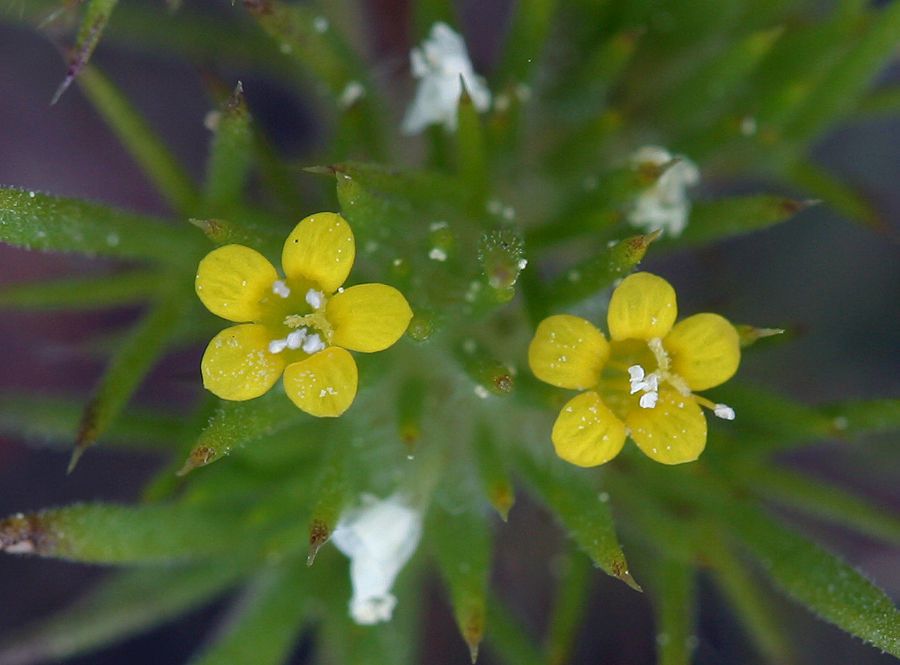
Taming the Tiny Treasures: A Guide to Propagating Navarretia breweri
Navarretia breweri, with its whimsical common name “Brewer’s Pincushion Plant,” isn’t your typical garden variety. This diminutive California native, boasting captivating clusters of tiny, sky-blue flowers, draws the eye with its delicate charm rather than showy blooms. And while its cultivation might seem daunting at first, propagating Navarretia breweri can be a rewarding experience, even for beginner gardeners.
Understanding the Nature of the Beast (or Beauty!)
Before diving into techniques, it’s crucial to understand Navarretia breweri’s life cycle. This tiny marvel is an annual, meaning its life cycle is completed within a single year. It thrives in the spring, blooms into a frenzy of blue, sets seeds, and then gracefully bows out as the dry season approaches. This ephemeral nature is key to successful propagation.
Seeds: The Heart of the Matter
The primary method of propagation for Navarretia breweri is by seed. Thankfully, these seeds are relatively easy to collect and germinate.
Collection and Storage:
- Timing is Key: Keep a close eye on your plants as the blooms fade and seed pods begin to form. Collect the pods when they turn brown and dry, usually by late spring or early summer.
- Gentle Extraction: Gently crush the pods to release the tiny, black seeds within. A fine sieve can help separate the chaff.
- Dry and Dark: Store the seeds in a cool, dry place, preferably in a sealed envelope or container, until you’re ready to sow.
Sowing for Success:
- Fall is the Time: For the best results, sow seeds directly outdoors in the fall, mimicking their natural life cycle.
- Embrace the Chill: Navarretia breweri seeds need a period of cold stratification to break dormancy and trigger germination. Winter’s natural chill provides this perfectly.
- Light Touch: Sprinkle the seeds on the soil surface, as they need light to germinate.
- Moisture Matters: Keep the soil consistently moist but not waterlogged. A light misting with a spray bottle is ideal.
Beyond Seeds: Exploring Other Avenues
While seed propagation is the most common and reliable method, some gardeners have experimented with cuttings. Taking cuttings from young, actively growing stems in early spring before flowering might yield some success. However, this method is more challenging and has a lower success rate than seed propagation.
Creating the Perfect Nursery:
Navarretia breweri thrives in well-drained soil and sunny locations. Mimicking these conditions is key to propagation success. Use a seed-starting mix or amend your garden soil with sand or perlite to improve drainage.
Patience is a Virtue:
Germination can take several weeks, so don’t lose hope if you don’t see sprouts immediately. Once seedlings emerge, thin them out to allow space for growth.
A Rewarding Endeavor:
Propagating Navarretia breweri might require a little patience and a touch of green-thumb magic, but the reward of witnessing these delicate blue beauties paint your garden is well worth the effort. So why not give it a go? You might just discover a new favorite wildflower to cherish.