
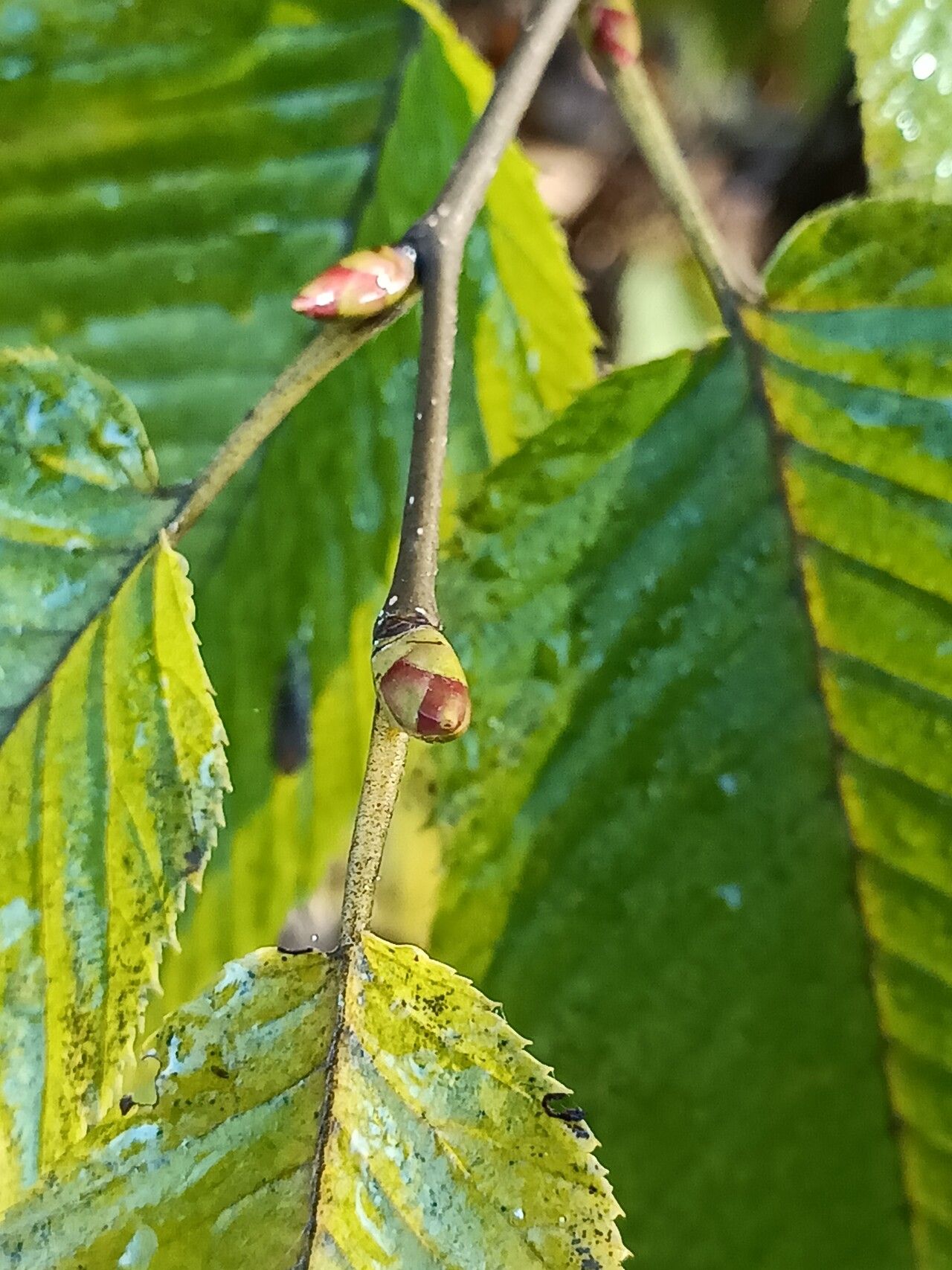
Taming the Wild Beauty: Propagating the Majestic Chinese Hornbeam (Carpinus fangiana)
The Chinese Hornbeam, scientifically known as Carpinus fangiana, is a tree of captivating beauty. Hailing from the mountainous regions of China, it boasts an elegant branching structure draped with distinct, deeply veined leaves that transition through a stunning array of autumn hues. If you’re searching for a unique specimen tree to elevate your landscape, the Chinese Hornbeam deserves a place on your list. And while obtaining a sapling from a nursery is always an option, there’s a certain satisfaction – and potentially cost-effectiveness – to propagating one yourself. Let’s explore the methods for successfully bringing new Chinese Hornbeams to life.
Gathering the Seeds:
- Timing is Key: The ideal time to collect seeds is late autumn, once the distinctive, papery winged fruits mature and begin to brown.
- Location, Location, Location: If you’re fortunate enough to live near a mature Chinese Hornbeam, observe the tree and gather seeds directly after they naturally fall. If not, reputable seed suppliers are a viable alternative.
- Ready for Storage: Once collected, remove any remaining fruit material from the seeds and store them in a cool, dry place until you’re ready for sowing.
Sowing the Seeds:
- Cold Stratification: Chinese Hornbeam seeds require a period of cold stratification to break their dormancy and encourage germination. You can mimic winter conditions by placing the seeds in a moist mixture of sand and peat moss, then storing them in a refrigerator (around 4°C or 39°F) for 60-90 days.
- Spring Awakening: As winter fades and temperatures begin to rise, it’s time to sow the stratified seeds. Fill seed trays or pots with well-draining potting mix and gently press the seeds into the surface, ensuring they’re covered by a thin layer of soil.
- Patience is a Virtue: Keep the soil consistently moist but not waterlogged. Germination can be slow, so expect to wait several weeks or even months for the first signs of life.
Beyond Seeding: Exploring Other Propagation Methods
While seed propagation is the most common method, exploring other techniques can be rewarding:
- Cuttings: Take semi-hardwood cuttings from healthy branches in late summer. Dip the cut ends in rooting hormone and plant them in a well-draining rooting medium. Keep the cuttings consistently moist and provide them with ample humidity to encourage root development.
- Layering: This technique involves bending a low-growing branch to the ground and lightly wounding it. Bury the wounded portion under soil, leaving the branch tip exposed. Over time, roots will form at the wound site, allowing you to separate the newly rooted section and plant it elsewhere.
Nurturing Your Young Trees:
Whether grown from seed or cuttings, young Chinese Hornbeams thrive in well-drained soil and appreciate a spot that offers a mix of sun and shade. Water them regularly during their establishment period, tapering off as they mature. Their naturally elegant form requires minimal pruning, allowing you to enjoy their unique beauty with minimal intervention.
Propagating and cultivating your own Carpinus fangiana is a truly rewarding experience. By embracing these techniques and approaching the process with patience, you can welcome the distinctive charm of this majestic tree into your own landscape and contribute to the preservation of its unique beauty for generations to come.