
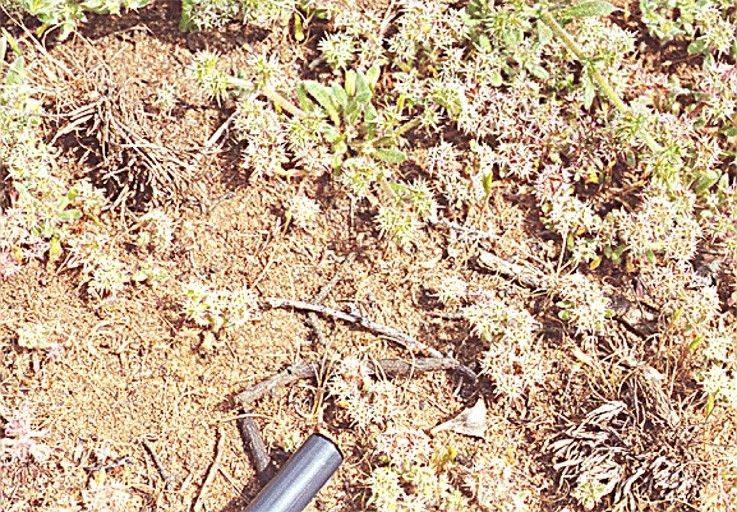
Taming the Spineflower: A Guide to Propagating the Robust Chorizanthe
The Chorizanthe robusta, also known as the robust spineflower, is a fascinating plant with an equally intriguing name. This California native captivates with its unique appearance: intricate, spiny flower heads that resemble miniature, bristly stars. While its rugged beauty might make it seem like a challenging plant to grow, propagating Chorizanthe robusta can be a rewarding experience for plant enthusiasts of all levels.
Understanding the Spineflower’s Needs:
Before diving into propagation, it’s crucial to understand the preferred growing conditions of this fascinating wildflower. Chorizanthe robusta thrives in:
- Well-draining soil: Mimic its natural habitat by using a sandy, fast-draining potting mix.
- Full sun exposure: Aim for at least six hours of direct sunlight per day.
- Dry conditions: This drought-tolerant plant prefers infrequent, deep watering.
- Cool temperatures: Chorizanthe robusta fares best in climates with mild winters and cool summers.
Propagation Techniques:
The most reliable way to propagate Chorizanthe robusta is through seeds:
1. Seed Collection:
The optimal time to collect seeds is in late spring or early summer when the flower heads have dried and turned a reddish-brown. Simply snip off the flower heads and gently rub them between your fingers to release the seeds.
2. Seed Preparation (Optional):
While not mandatory, cold-stratifying the seeds can help improve germination rates. Place the seeds in a moist paper towel, seal them in a plastic bag, and store them in the refrigerator for 4-6 weeks.
3. Sowing the Seeds:
- Direct Sowing: You can sow seeds directly into your garden bed in the fall. Sprinkle seeds over the soil surface and lightly press them in, ensuring they aren’t buried too deep.
- Starting Indoors: If starting indoors, use seed trays or small pots filled with a well-draining seed starting mix. Sow the seeds about ¼ inch deep and mist them with water.
4. Nurturing the Seedlings:
- Light: Place the seed trays or pots in a bright location but avoid direct sunlight, which can scorch the delicate seedlings.
- Water: Keep the soil consistently moist but not waterlogged.
- Transplanting: Once the seedlings have developed a few sets of true leaves and the danger of frost has passed, carefully transplant them to larger pots or your garden bed.
Beyond Seed Propagation:
While seed propagation is the most common and reliable method, you can also try propagating Chorizanthe robusta through cuttings. However, this method can be more challenging and may not yield consistent results.
Enjoying Your Spineflower:
With a little patience and care, you can successfully propagate and cultivate Chorizanthe robusta. Seeing these unique, spiky blooms emerge in your garden, whether from seed or cutting, will be a testament to your dedication and a celebration of the beauty found in California’s native flora.