
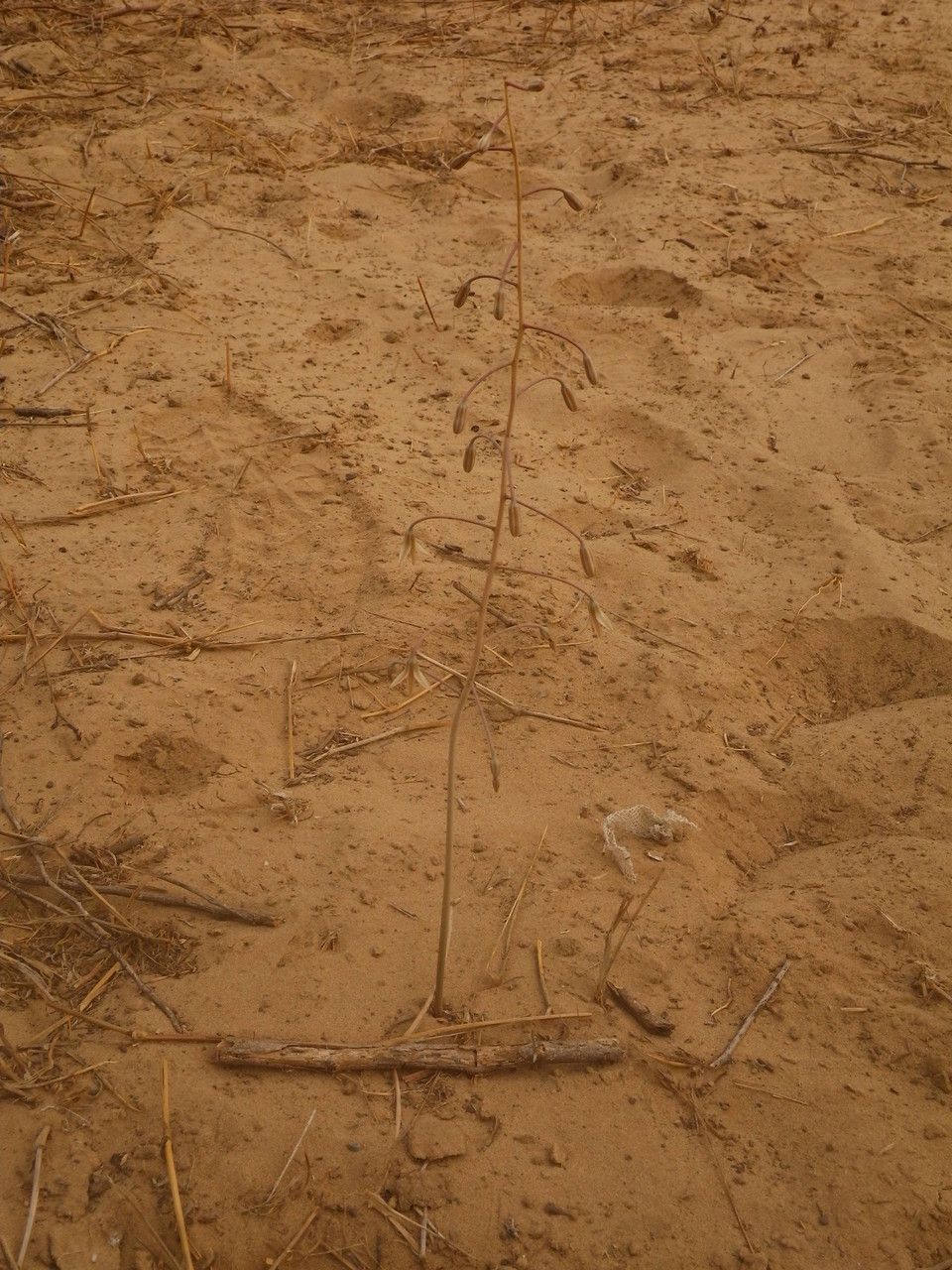
Unveiling the Secrets: Propagating the Majestic Drimia Indica
The Drimia Indica, also known as the Indian Squill or Sea Squill, is a captivating plant with its towering flower stalks and striking appearance. This fascinating species, native to coastal regions of India and Africa, can add a touch of exotic beauty to any garden or home.
While acquiring a Drimia Indica might pique your interest, successfully cultivating and expanding your collection can be truly rewarding. Let’s delve into the art of propagating this magnificent plant.
Two Paths to Propagation:
You can propagate Drimia Indica through two primary methods:
Seeds:
- Collection: Collect mature seeds from dried flower stalks. Look for small, black, and slightly winged seeds.
- Sowing: Sow the seeds in a well-draining potting mix, lightly covering them with soil.
- Conditions: Keep the soil consistently moist and provide bright, indirect light.
- Germination: Be patient! Germination can take anywhere from a few weeks to several months.
- Growth: Once seedlings emerge and grow a few true leaves, they can be transplanted into individual pots.
Offsets (Bulbils):
- Identification: Drimia Indica produces small bulbs, called bulbils, around the base of the mother bulb.
- Separation: Carefully separate these offsets during the dormant season when the plant is not actively growing.
- Potting: Plant the offsets in well-draining soil, ensuring the top of the bulb is level with or slightly above the soil surface.
- Watering: Water sparingly until new growth appears, then resume a regular watering schedule.
Factors for Success:
Regardless of the propagation method you choose, several key factors can influence your success:
- Soil: Drimia Indica thrives in well-draining soil that prevents waterlogging. A mix of potting soil, perlite, and coarse sand works well.
- Light: Bright, indirect light is crucial for healthy growth. Avoid direct sunlight, as it can scorch the leaves.
- Water: Water deeply but infrequently, allowing the soil to dry out between waterings. They are susceptible to root rot in overly wet conditions.
- Dormancy: Respect the plant’s natural dormancy period, during which it might lose its leaves. Reduce watering during this time.
The Joys of Drimia Indica:
Propagating Drimia Indica might require some patience and dedication, but the rewards are well worth the effort. Watching new life sprout from seeds or offsets, and witnessing them grow into mature plants, is a deeply satisfying experience.
Embrace the journey of propagation, and soon, you too can cultivate a flourishing collection of these majestic plants, adding an element of unique splendor to your green spaces.