
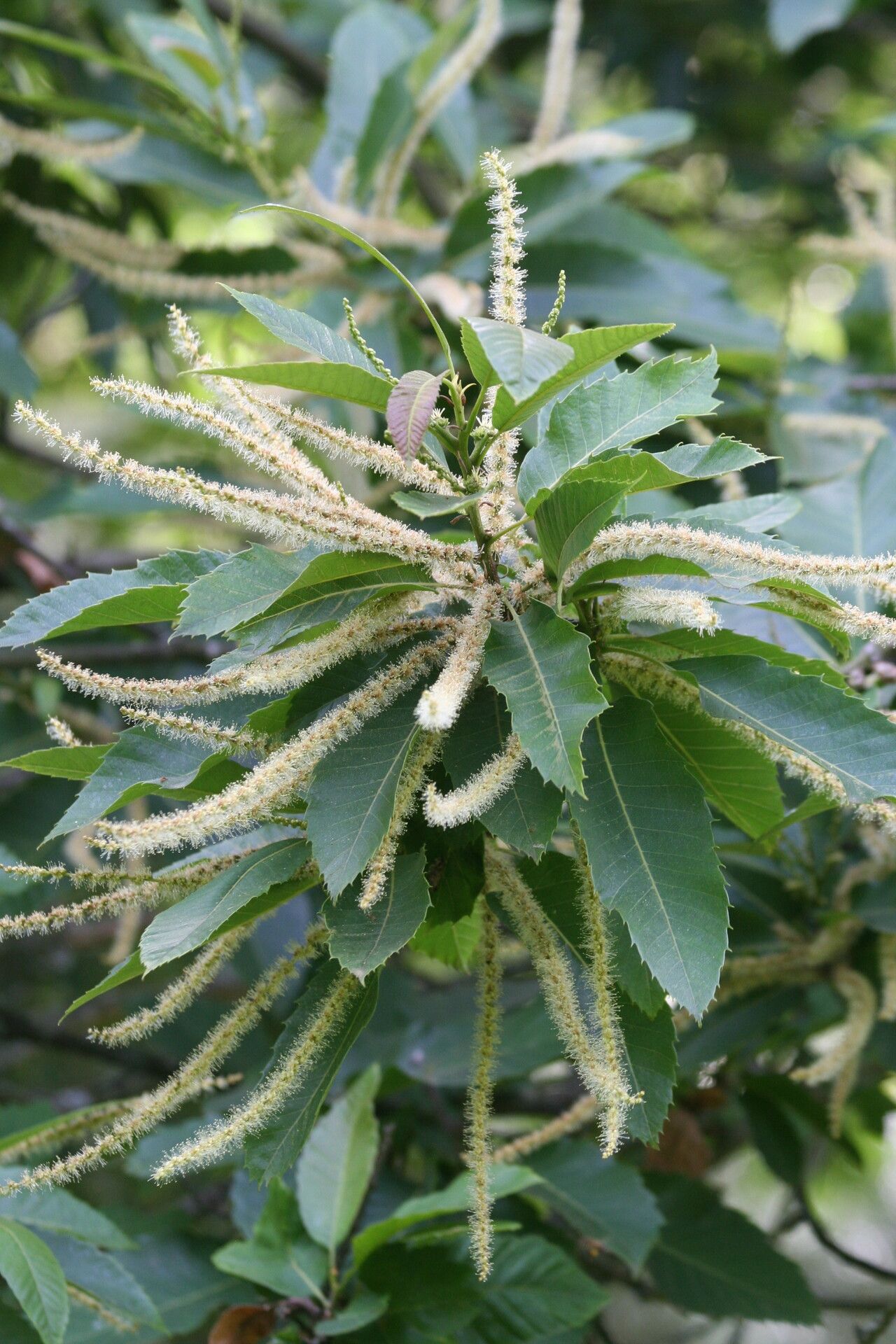
Cracking the Nut: Propagating Henry’s Chestnut (Castanea henryi)
Chestnuts roasting on an open fire might be a holiday classic, but have you ever considered growing your own magnificent chestnut tree? Castanea henryi, also known as Henry’s Chestnut or the Chinese Timber Chestnut, is a majestic tree native to China, prized not only for its edible nuts but also for its impressive size and attractive foliage. If you’re feeling adventurous and want to add this unique tree to your landscape, understanding how to propagate it is the first step.
While Henry’s Chestnut can be propagated through various methods, each comes with its own set of advantages and challenges:
1. Seeds: A Race Against Time
Planting seeds is the most natural, albeit, a more challenging route. Here’s the catch: Henry’s Chestnut seeds have a short period of viability. This means you need to act quickly after harvesting or acquiring fresh seeds. Here’s how:
- Harvesting: Collect mature nuts in the fall and remove the outer husks.
- Cold Stratification: Mimic winter by storing seeds in a moist medium like vermiculite inside a refrigerator for at least 2-3 months.
- Sowing: In spring, sow the stratified seeds about 1-2 inches deep in well-draining soil. Be patient, germination can take several weeks.
2. Grafting: A Skillful Approach
Grafting involves fusing a cutting (scion) from a desired Henry’s Chestnut tree onto a compatible rootstock, often a more resistant species. This method is more complex but offers benefits like:
- Preserving Desirable Traits: Grafting allows you to replicate the specific characteristics of a particular tree, like nut size or disease resistance.
- Faster Growth: Grafted trees tend to mature and produce nuts earlier than those grown from seed.
Grafting techniques like whip and tongue grafting or cleft grafting require practice and precision. Consider seeking guidance from experienced grafters or consulting detailed resources.
3. Cuttings: A Mixed Bag
Rooting cuttings from Henry’s Chestnut can be tricky, but not impossible. While success rates can be lower compared to other methods, here’s what you can try:
- Timing is Key: Take semi-hardwood cuttings from healthy, vigorous shoots in late spring or early summer.
- Hormone Boost: Dip the cut end of the cuttings in rooting hormone to encourage root development.
- Controlled Environment: Plant the prepared cuttings in a well-draining mix and provide humidity and warmth using a propagation chamber or similar setup.
Patience is a Virtue
No matter the method you choose, propagating Henry’s Chestnut requires patience. It might take several seasons for your efforts to bear fruit, literally!
Beyond Propagation
Once you’ve successfully propagated Henry’s Chestnut, remember to provide it with well-drained soil, ample sunlight, and regular watering, especially during its early years. With proper care and a touch of green-thumb magic, you can enjoy the beauty and bounty of this remarkable tree for generations to come.