
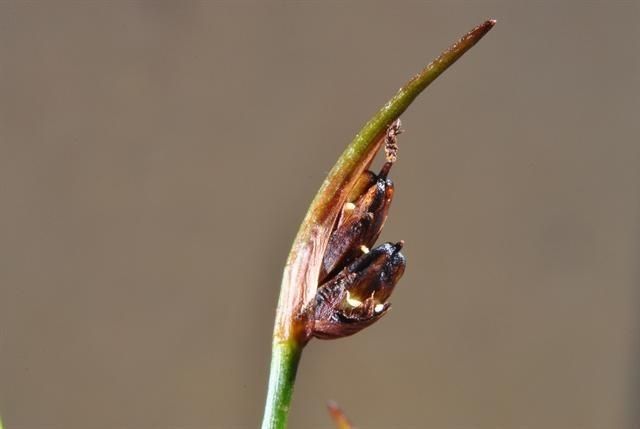
Doubling Down on Delicacy: Propagating the Tiny Treasures of Juncus biglumis
The plant world is teeming with giants, but sometimes, it’s the miniatures that steal our hearts. Enter Juncus biglumis, a diminutive rush species that captivates with its delicate form and surprising resilience. Found in the frigid, often-overlooked landscapes of the Arctic and high altitudes, this unassuming plant offers a unique appeal for plant enthusiasts looking for something different. But how do you go about multiplying these tiny treasures?
Delving into Division:
The most effective and straightforward propagation technique for Juncus biglumis is division. Here’s how to go about it:
Timing is Key: Spring is the ideal time to divide Juncus biglumis. This coincides with the plant’s natural growth cycle, ensuring the divided sections have the best chance to establish themselves.
Gentle Excavation: Carefully dig up a mature clump of Juncus biglumis, ensuring you get a good portion of the root system.
The Art of Division: Using clean, sharp shears or a knife, divide the clump into smaller sections. Each section should have a healthy amount of roots and shoots attached.
Replanting: Choose a suitable location that mimics its natural habitat – a spot with full sun to partial shade and consistently moist soil that’s slightly acidic is ideal. Peat moss can be incorporated into the soil to improve drainage and add acidity.
- Patience is a Virtue: Water the divisions well after planting and keep the soil consistently moist, not waterlogged. With a little TLC, your new Juncus biglumis plants will establish themselves and reward you with their subtle beauty.
Beyond Division: Exploring Other Avenues
While division reigns supreme for propagating Juncus biglumis, seed propagation is another avenue, albeit a slightly more challenging one.
Seed Collection: Collecting seeds can be tricky due to their small size and the specific environmental conditions required for them to mature.
Cold Stratification: Juncus biglumis seeds often exhibit dormancy that can be broken by cold stratification. This involves storing the seeds in a moist, cold environment (like a refrigerator) for several weeks to simulate natural winter conditions.
Sowing the Seeds: Sow the cold-stratified seeds on the surface of a moist, well-draining seed starting mix. Light is crucial for germination, so refrain from burying the seeds.
Creating a Microclimate: Cover the seed tray with a plastic dome or wrap to maintain humidity and warmth. This helps in creating a greenhouse-like environment that encourages germination.
- Germination Patience: Germination can be erratic and may take several weeks or even months. Keep the soil consistently moist and be patient.
Caring for Your Juncus Biglumis Clones
Whether you’ve chosen division or the more adventurous route of seeds, caring for your new Juncus biglumis is relatively straightforward:
Moisture is Key: Consistent moisture is crucial for the well-being of this species. Regularly check the soil and water whenever the top inch feels dry to the touch.
Feeding Time: While not heavy feeders, a light dose of diluted, balanced fertilizer applied a couple of times during the growing season can be beneficial.
- Pruning for Aesthetics: While not strictly necessary, you can trim back any dead or unsightly foliage to maintain a neat appearance.
Propagating Juncus biglumis is a rewarding endeavor that allows you to multiply these delicate beauties and share their unique charm with others. So, why not embark on this propagation journey and invite these miniature marvels to grace your garden or indoor space?