
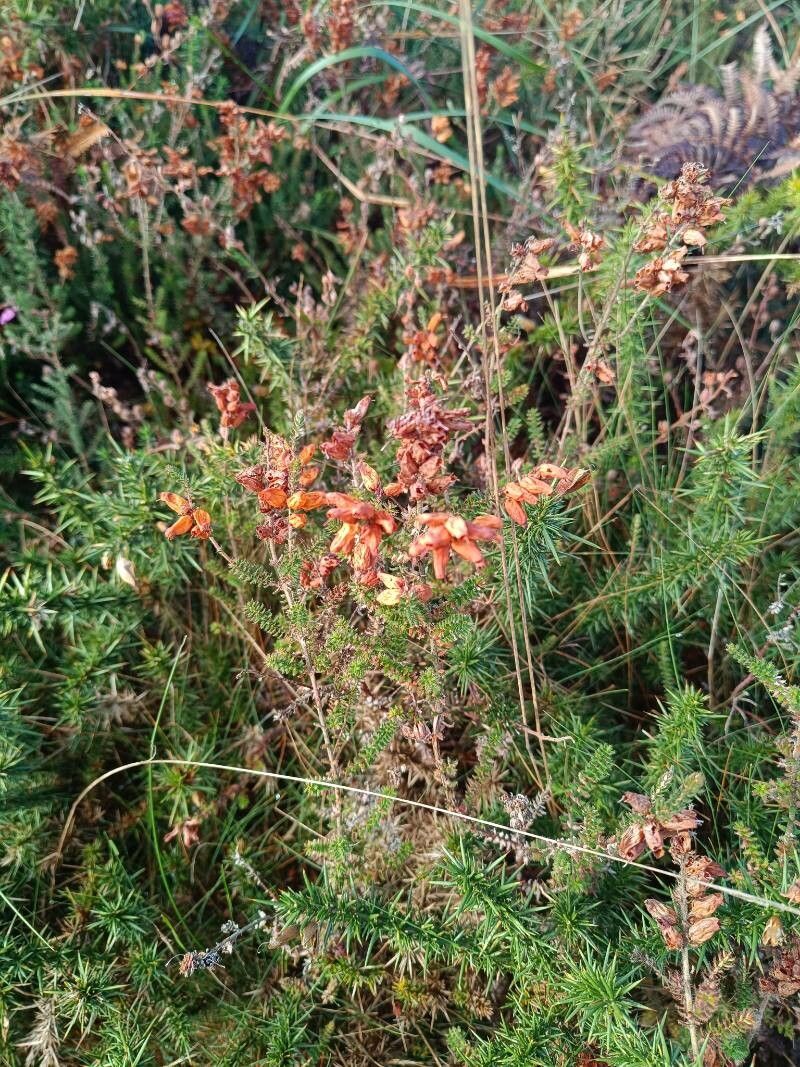
Taming the Dorset Heath: Your Guide to Propagating Erica Ciliaris
The Dorset Heath, or Erica ciliaris, is a captivating shrub renowned for its delicate beauty and captivating late-summer blooms. This charming plant, native to Western Europe, boasts vibrant, bell-shaped flowers in shades ranging from pale pink to rich magenta, adding a touch of whimsical charm to any garden. If you’re looking to invite more of this loveliness into your landscape, propagating your own Erica ciliaris is a rewarding endeavor well within reach, even for beginner gardeners.
Two Paths to Propagation:
There are two primary ways to propagate Erica ciliaris: seed propagation and cuttings. Each method presents its own set of advantages and considerations:
1. Seed Propagation: Embracing the Gift of Patience
- Timing is Key: Collect ripe seed capsules in the fall. Look for dry, brown capsules that easily split open.
- Sowing the Seeds: In spring, sow the fine seeds on the surface of a seed-starting mix. Ensure good drainage and maintain a consistent moisture level.
- Patience is a Virtue: Germination can be slow, often taking several weeks or even months.
- The Reward: Seed propagation offers the potential for larger quantities of plants and introduces genetic diversity.
2. Cuttings: A Faster Track to Floral Abundance
- The Prime Time: Take semi-ripe cuttings (softwood cuttings that have started to harden) in late summer.
- Choose Wisely: Select healthy, non-flowering shoots about 3-4 inches long.
- Preparing the Cuttings: Remove the lower leaves, leaving only a few at the top. Dip the cut end in rooting hormone (optional but recommended).
- Planting the Cuttings: Insert the cuttings into a well-draining rooting medium, like a mix of peat moss and perlite.
- Creating the Ideal Environment: Maintain consistent moisture and provide a warm, humid environment. A propagator or covering the pot with a plastic bag can create a mini-greenhouse effect.
- Rooting Success: In a few weeks, roots should begin to develop. Once the cuttings show signs of new growth, they can be potted up individually.
Tips for Success:
- Well-Drained Soil is Essential: Erica ciliaris thrives in acidic, well-drained soil. Avoid heavy clay soils where water can pool.
- Sunlight is Key: Choose a sunny location for your Dorset Heath. While it can tolerate some shade, ample sunlight promotes better flowering.
- Watering with Care: Water regularly, especially during dry periods, but avoid overwatering. Aim for consistently moist but not soggy soil.
- Pruning for Shape and Health: After flowering, lightly prune your Erica ciliaris to maintain its shape and encourage bushier growth.
Propagating your own Erica ciliaris is a fulfilling way to expand your garden’s palette and appreciate the unique lifecycle of this enchanting plant. Whether you opt for the patient path of seed propagation or the faster rewards of cuttings, the joy of cultivating your own Dorset Heath is a rewarding experience for gardening enthusiasts of all levels.