
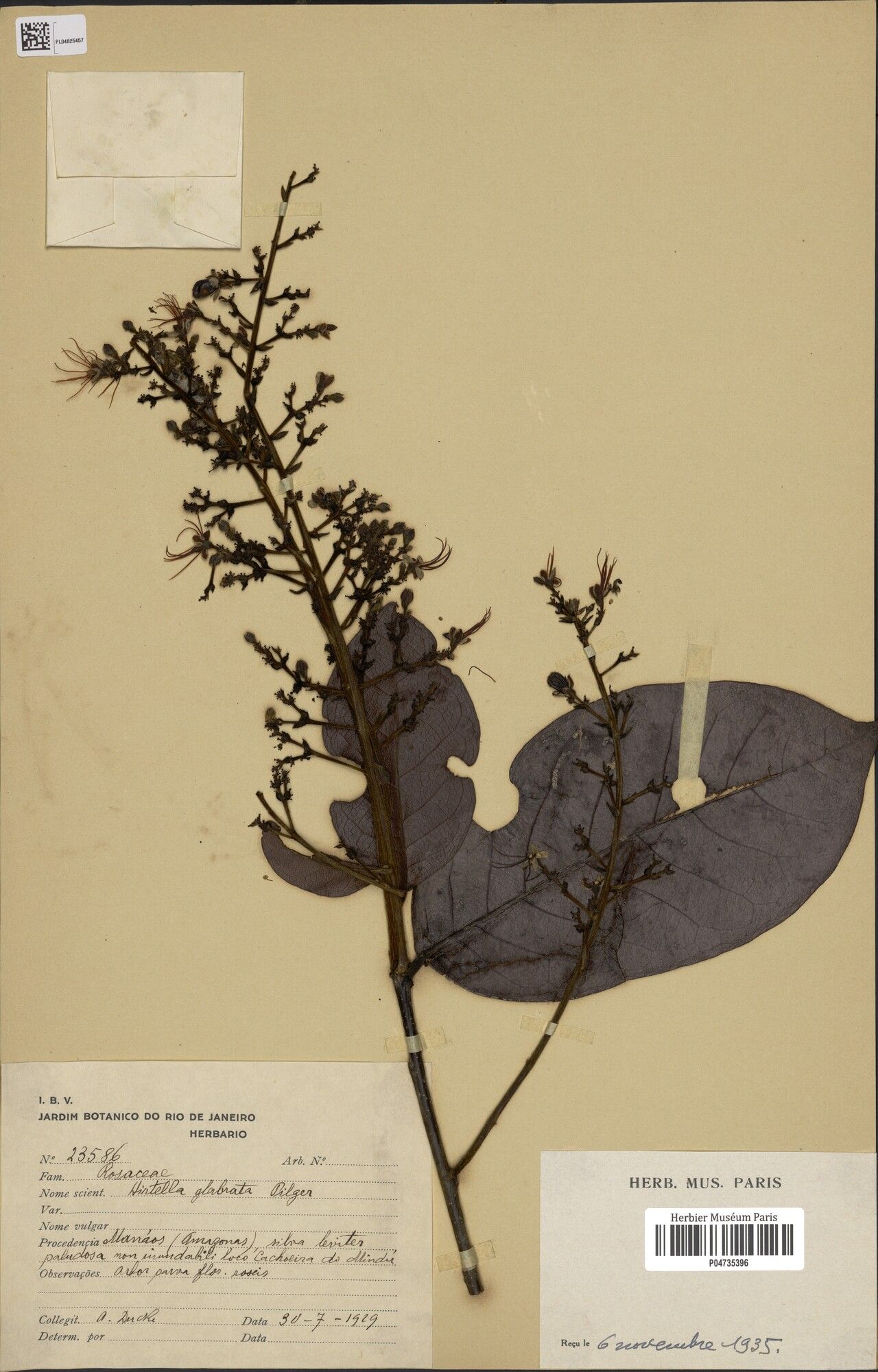
Unlocking the Secrets of Hirtella Glabrata Propagation: A Guide for Enthusiasts.
The world of plants offers a captivating mix of beauty and mystery. Among these green wonders stands Hirtella glabrata, a tropical treasure with much to offer the enthusiastic gardener. But cultivating this intriguing species presents a unique challenge, particularly when it comes to propagation. Fear not, fellow plant lovers, for this guide is here to demystify the process and equip you with the knowledge to grow your own Hirtella glabrata.
Understanding the Basics
Before we delve into the specifics, let’s familiarize ourselves with this fascinating species. Hirtella glabrata belongs to the Chrysobalanaceae family, a group of flowering plants predominantly found in tropical regions. Its natural range extends from Central America to South America, gracing rainforests with its glossy leaves and delicate white blossoms.
Embarking on the Propagation Journey: Methods and Techniques
Propagating Hirtella glabrata requires patience and a touch of botanical finesse. While seed propagation is possible, it can be notoriously difficult due to the often low viability of seeds and the specific conditions required for germination. Therefore, vegetative propagation, particularly through cuttings, is generally considered the more reliable approach.
The Art of Cutting & Planting:
Timing is Key: The best time to take cuttings is during the plant’s active growing season, ideally in spring or early summer. This period ensures greater success as the plant is brimming with growth hormones.
Selecting the Right Cutting: Choose healthy, semi-mature stems that are free from pests or diseases. A good cutting is typically 4-6 inches long and has several nodes (small bumps on the stem from which leaves emerge).
Preparing the Cutting: Using a sharp, sterilized knife or pruning shears, make a clean cut just below a node. Remove any leaves from the lower portion of the cutting, leaving only 2-3 leaves at the top.
Encouraging Root Development: To stimulate root formation, dip the cut end of the stem in a rooting hormone powder. This step, while optional, significantly increases the chances of successful rooting.
Choosing the Right Medium: Plant the prepared cutting in a well-draining potting mix specifically designed for cuttings. Alternatively, a mixture of peat moss and perlite or vermiculite works equally well.
- Providing Optimal Conditions: Moisture is crucial for successful rooting. Cover the pot with a plastic bag or place it in a humidity dome to create a warm, humid environment. Ensure the cutting receives bright, indirect light and maintain a consistent temperature around 70-75°F (21-24°C).
The Waiting Game & Beyond:
Rooting can take several weeks to a couple of months. During this period, be patient and resist the urge to disturb the cutting. Once you observe new growth, it’s a sign that rooting has been successful! Gradually acclimatize the cutting to normal humidity levels by opening the bag or dome for increasingly longer periods. Finally, transplant the rooted cutting into a larger pot or your garden bed, providing it with well-draining soil, adequate light, and regular watering.
Continuing the Journey:
Propagating Hirtella glabrata is a rewarding experience that connects you with the wonders of the natural world. While it requires dedication and a dash of horticultural expertise, the joy of nurturing a new plant from a single cutting is unmatched. Embrace the process, be patient, and soon enough, you’ll be reaping the rewards of your efforts with a thriving Hirtella glabrata gracing your own green space.