
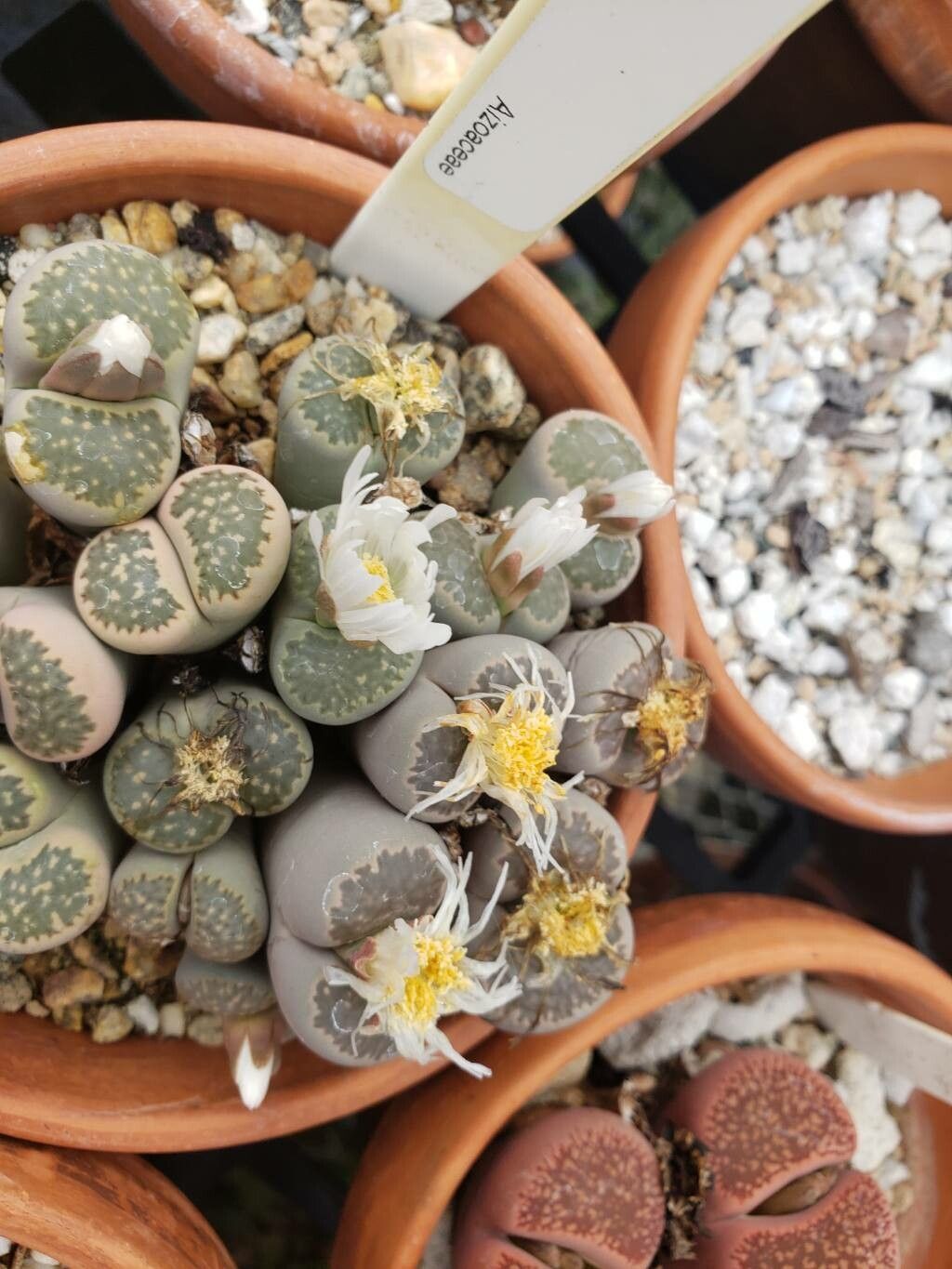
Unlocking the Secrets of Lithops Salicola Propagation: A Beginner’s Guide to Multiplying Your Living Stones
Lithops, affectionately nicknamed “Living Stones” for their uncanny resemblance to pebbles, are fascinating additions to any succulent enthusiast’s collection. Among these captivating plants, the Lithops salicola stands out with its unique mottled appearance, often boasting a striking pattern reminiscent of a desert landscape. While relatively low-maintenance, propagating Lithops salicola can seem daunting to beginners. Fear not! This guide delves into the secrets of multiplying your “Living Stone” collection, helping you cultivate these botanical gems with confidence.
The Two Paths to Propagation:
Like most succulents, Lithops salicola can be propagated in two primary ways:
Seed Propagation: This method requires patience, as Lithops seedlings demand meticulous care and grow slowly.
- When to sow: The ideal time for sowing Lithops salicola seeds is during the warmer months when temperatures range between 70-80°F (21-27°C).
- Preparing the soil: Use a well-draining soil mix specifically designed for succulents or cacti. A mixture of perlite, pumice, and coarse sand works well.
- Sowing the seeds: Sprinkle seeds thinly over the soil surface and gently press them down without completely burying them.
- Maintaining humidity: Cover the seed tray with a transparent lid or plastic wrap to create a humid environment, mimicking the conditions of a mini greenhouse.
- Watering: Use a spray bottle to mist the soil surface regularly, ensuring it remains consistently moist but not soggy.
- Light and Temperature: Place the seed tray in a bright location, preferably with indirect sunlight.
- Patience is Key: Germination can take anywhere from a few weeks to several months, so patience is crucial.
- Division: For faster results, division is the preferred method, especially when your Lithops produces offsets (baby plants).
- The Right Time: Divide your Lithops during its active growing season, typically spring or early fall.
- Identify Offsets: Look for small, independent plants growing at the base of the parent Lithops.
- Gentle Separation: Carefully remove the parent plant from its pot and gently tease apart the offsets, ensuring each division has some roots attached.
- Allow to Callus: Let the separated offsets dry for a day or two, allowing the cut surfaces to callus over, preventing potential rot.
- Potting the Divisions: Plant each offset in its own well-draining potting mix, burying the base just below the soil surface.
- Watering After Potting: Wait a week before watering the newly potted divisions, allowing them time to adjust to their new environment.
Essential Tips for Success:
- Provide ample light: Lithops salicola thrives in bright, indirect light. Avoid direct sunlight, especially during the hottest hours of the day, as it can scorch the plant.
- Water sparingly: Overwatering is the biggest enemy of Lithops. Allow the soil to dry out completely between waterings. During their dormant period (typically winter), reduce watering significantly.
- Pot in shallow containers: Lithops have shallow root systems, so opt for shallow containers with drainage holes to prevent waterlogging.
- Fertilize lightly: While not heavy feeders, you can provide a diluted, balanced fertilizer during the growing season.
Propagating Lithops salicola, while seemingly challenging, is a rewarding endeavor for any plant enthusiast. By following these steps and providing the right care, you can successfully multiply your collection and enjoy these mesmerizing “Living Stones” for years to come.