
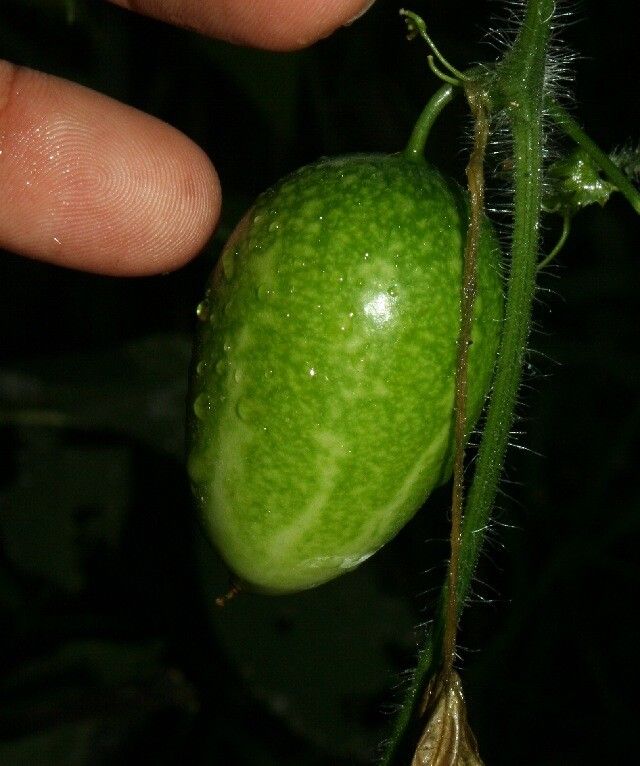
Untangling the Vine: Your Guide to Propagating Mexican Miniature Watermelons
The Mexican miniature watermelon, scientifically known as Melothria trilobata, is a delightful vine gaining popularity among gardeners. Producing adorable, bite-sized watermelons, this plant is a conversation starter and a unique addition to salads and pickles. While the fruits may be small, the joy of growing them yourself is enormous, especially when you propagate them yourself! Let’s explore the different ways to multiply your Melothria trilobata collection:
1. Seed Starting: Embracing the Circle of Life
The most common method of propagation for Melothria trilobata is through seeds. Here’s how:
- Seed Collection: Allow some of your tiny watermelons to fully ripen on the vine. You’ll notice they turn a darker green, almost black, when ready. Harvest the seeds and let them dry completely before storing.
- Sowing: Start seeds indoors 6-8 weeks before your last frost. Sow them about ¼ inch deep in a well-draining seed starting mix.
- Warmth and Moisture: These seeds love warmth! A heat mat can be beneficial to maintain a consistent temperature around 70-75°F. Keep the soil consistently moist but not soggy.
- Transplanting: Once the seedlings have a few sets of true leaves and the danger of frost has passed, harden them off gradually before transplanting them outdoors in a sunny location.
2. Taking Cuttings: Cloning Your Favorite Vine
If you want to replicate the exact characteristics of a particular vine, cuttings are the way to go:
- Selecting Cuttings: Choose healthy, vigorous stems that are not flowering. The ideal cutting should be about 4-6 inches long.
- Preparing the Cuttings: Remove the lower leaves from the cutting, leaving 2-3 leaves at the top.
- Rooting Hormone (Optional): While not essential, dipping the cut end in rooting hormone can encourage faster and more successful rooting.
- Planting the Cuttings: Plant the prepared cuttings in a well-draining potting mix. Keep the soil moist and provide humidity by covering the pot with a plastic bag or using a humidity dome.
- Transplanting: After a few weeks, gently tug on the cutting to check for root development. Once the roots are established, you can transplant them to individual pots or directly into your garden.
3. Layering: Encouraging Roots Along the Vine
Layering is a less common but effective propagation method for Melothria trilobata:
- Choosing a Stem: Select a healthy, flexible stem that’s long enough to reach the ground.
- Wounding and Burying: Gently wound the underside of the stem by making a small cut or scraping off a section of the outer layer. Bury this wounded portion in the soil, leaving the tip of the stem exposed.
- Securing and Watering: Use a rock or landscape pin to hold the buried section of the stem in place. Keep the soil consistently moist.
- Separation and Potting: After a few weeks, roots should develop from the wounded area. Once well-established, you can sever the new plant from the parent vine and pot it up.
Nurturing Your New Miniature Watermelon Plants
Regardless of your chosen propagation method, remember to provide your new Melothria trilobata plants with well-draining soil, ample sunlight (at least 6 hours daily), and consistent moisture. A trellis or support structure is essential for these climbing vines. Soon enough, you’ll be enjoying the fruits (literally) of your propagation efforts!