
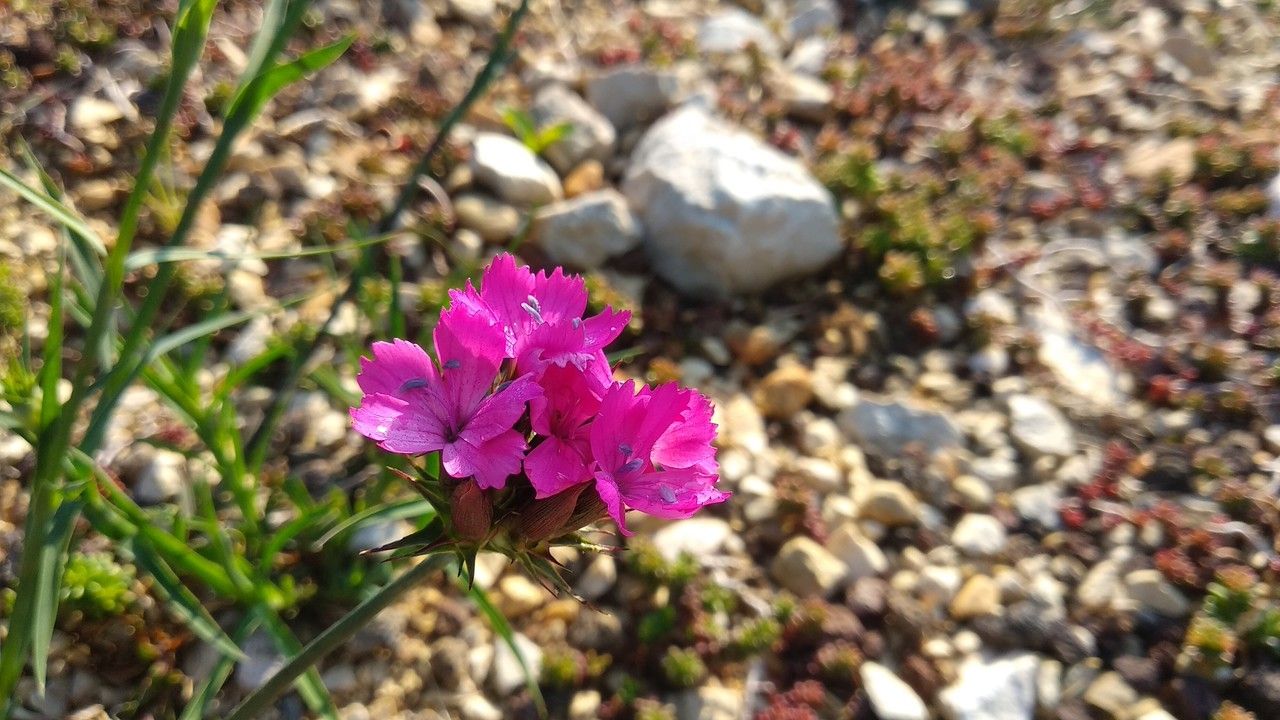
Unlocking the Secrets of Dianthus Capitatus Propagation: From Seed to Stunning Blooms
Dianthus capitatus, with its charming clusters of fringed pink blooms, is a delightful addition to any garden. But did you know that propagating this captivating plant can be easier than you think? Whether you’re a seasoned gardener or just starting out, this guide will equip you with the knowledge to expand your Dianthus capitatus collection and enjoy its beauty for years to come.
Two Roads to Success: Seed vs. Cuttings
When it comes to propagating Dianthus capitatus, you have two primary options:
1. Starting from Seed:
- Timing is Key: Sow seeds indoors 6-8 weeks before the last expected frost in your area.
- Sowing the Seeds: Use a well-draining seed starting mix and sprinkle the seeds on the surface, pressing them in lightly.
- Light and Warmth: Dianthus capitatus seeds need light to germinate, so refrain from burying them. Maintain a temperature of around 65-70°F (18-21°C).
- Transplanting Triumphs: Once seedlings have developed a couple of sets of true leaves, transplant them into individual pots. Harden them off gradually before planting outdoors after the danger of frost has passed.
2. Propagating from Cuttings:
- The Cutting Edge: Take cuttings in late spring or early summer from healthy, non-flowering stems. Cut about 3-4 inches long, just below a leaf node.
- Prepare the Cuttings: Remove the lower leaves and dip the cut end in rooting hormone (optional but beneficial).
- Planting the Cuttings: Insert the cuttings into a pot filled with a moist, well-draining rooting medium like a mix of perlite and vermiculite.
- Creating a Humid Environment: Cover the pot with a plastic bag or humidity dome to create a warm, moist environment.
- Patience is Key: It can take several weeks for roots to develop. Once you see new growth, you can gradually acclimate the cuttings to outdoor conditions before transplanting.
Tips for Propagation Success:
- Well-Drained Soil: Dianthus capitatus thrives in well-drained soil. Amend heavy clay soils with compost or sand to improve drainage.
- Sun-Kissed Blooms: Choose a sunny location for your Dianthus capitatus. It prefers at least six hours of direct sunlight per day.
- Water Wisely: While it enjoys regular watering, avoid overwatering, which can lead to root rot. Allow the soil to dry slightly between waterings.
- Fertilize with Care: Feed your Dianthus capitatus with a balanced fertilizer during the growing season, but avoid over-fertilizing, which can lead to lush foliage but fewer blooms.
- Deadheading Delights: Deadhead spent blooms regularly to encourage more flowers and prolong the blooming period.
Propagating Dianthus capitatus is a rewarding experience that allows you to multiply your floral treasures. Whether you choose to start from seed or take cuttings, following these guidelines will increase your chances of success and fill your garden with the enchanting beauty of Dianthus capitatus.