
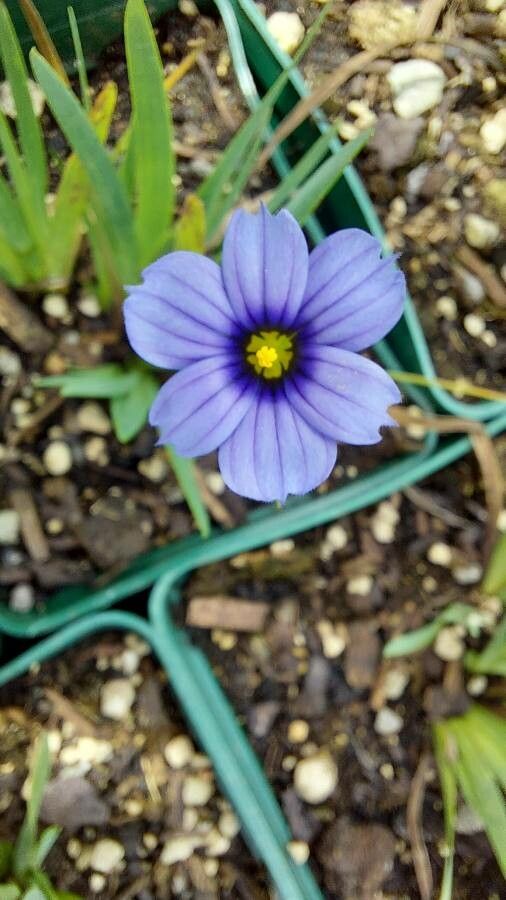
Unveiling the Secrets of Blue-Eyed Grass Propagation: A Guide to Multiplying Sisyrinchium montanum
Blue-eyed grass, with its charming star-shaped blooms and grass-like foliage, is a delightful addition to any garden. This North American native, known scientifically as Sisyrinchium montanum, offers a delicate splash of blue to meadows, rock gardens, and even container plantings. But did you know that propagating this beauty is easier than you might think?
Whether you’re an experienced gardener or a curious beginner, this article will guide you through the techniques of multiplying your blue-eyed grass, allowing you to share its charm throughout your garden and beyond.
Understanding the Life Cycle of Sisyrinchium montanum
Before diving into propagation methods, it’s essential to understand how this fascinating plant reproduces naturally. Sisyrinchium montanum employs two primary strategies:
Seed Propagation: Like many wildflowers, blue-eyed grass readily self-sows. After the blooms fade, small seed capsules develop, eventually bursting open to scatter seeds. Given the right conditions, these seeds germinate, starting the cycle anew.
- Division: This perennial plant also spreads through underground rhizomes. These modified stems grow horizontally, sending up new shoots and expanding the existing clump.
Propagating Blue-Eyed Grass: Two Effective Methods
Now that we understand its natural reproduction, let’s explore the two most effective ways to propagate blue-eyed grass:
1. Seed Propagation:
- Collecting Seeds: After the blooms fade in late spring or early summer, keep an eye on the developing seed capsules. Once they turn brown and dry, carefully collect them before they split open.
- Sowing Seeds: You have two options:
- Direct Sowing: Scatter the seeds in your desired location in fall. Gently press them into the soil but don’t bury them.
- Starting Indoors: Sow seeds in seed trays 6-8 weeks before the last frost, using a well-draining seed-starting mix. Cover lightly with soil and keep moist. Transplant seedlings outdoors after the danger of frost has passed.
2. Division:
- When to Divide: Early spring or fall is the ideal time for dividing established clumps while the plant is dormant.
- Dividing the Clumps: Gently dig up the entire clump, carefully separating the rhizomes with your hands or a sharp knife. Each division should have several healthy shoots and roots attached.
- Replanting: Replant the divisions at the same depth they were growing originally, spacing them about 6-12 inches apart. Water them in thoroughly.
Tips for Success:
- Well-draining Soil: Blue-eyed grass thrives in well-drained soil. Amend heavy clay soils with compost or sand to improve drainage.
- Sunlight Requirements: Choose a location with full sun to partial shade for optimal growth and flowering.
- Watering: Water regularly during the first growing season to establish a robust root system. Once established, the plants are relatively drought-tolerant.
- Pests and Diseases: Blue-eyed grass is generally pest and disease-free, adding to its low-maintenance appeal.
Enjoy the Beauty of Blue-Eyed Grass
Propagating Sisyrinchium montanum is a rewarding experience, allowing you to enjoy this enchanting wildflower in abundance. By following these tips and understanding its natural life cycle, you can successfully multiply your blue-eyed grass, creating a symphony of blue blooms year after year.