
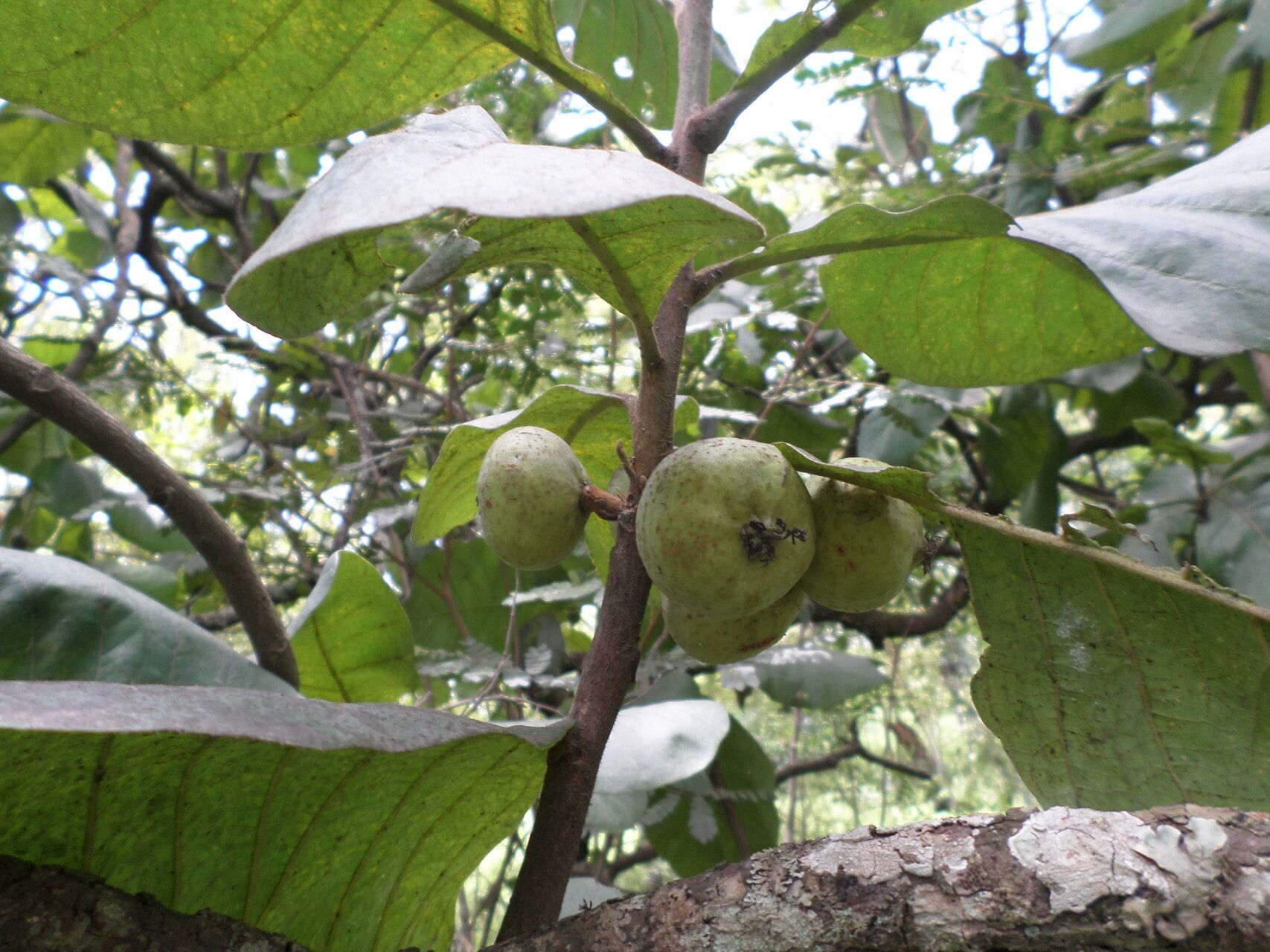
Unlocking the Secrets of Uapaca pilosa: A Guide to Propagation
Uapaca pilosa, also known as the sugarplum or mahobohobo, is a remarkable tree native to Southern and Tropical Africa. Beloved for its sweet, plum-like fruit and attractive foliage, this versatile species is gaining popularity among gardeners and food forest enthusiasts. But how can you welcome Uapaca pilosa to your own backyard? This guide delves into the fascinating world of propagation for this underutilized fruit tree.
Two Paths to Propagation: Seeds and Cuttings
While Uapaca pilosa can be a bit finicky to propagate, success is achievable with patience and the right techniques. The two most common methods are:
Seed Propagation: This method is the most common and allows for genetic diversity amongst your plants. However, it requires more time and effort.
- Cutting Propagation: Using cuttings offers a faster route to a mature plant, though finding viable cuttings can be challenging.
Seed Propagation: A Step-by-Step Guide
Seed Sourcing: Obtaining fresh, viable seeds is crucial. Look for ripe, fallen fruits directly from a healthy Uapaca pilosa tree. Avoid overly dry or damaged fruits.
Seed Preparation: Clean the seeds thoroughly, removing any remaining fruit pulp. Soaking the seeds in lukewarm water for 24 hours can help soften the outer shell and improve germination rates.
Sowing the Seeds: Use a well-draining potting mix. Sow seeds individually in small pots or seed trays, burying them about 1 inch deep.
Creating the Ideal Environment: Uapaca pilosa thrives in warmth and humidity. Place your seed trays or pots in a bright location, avoiding direct sunlight. Consider using a humidity dome or propagator to maintain optimal conditions.
- Patience is Key: Germination can take anywhere from a few weeks to several months. Ensure consistent moisture, but be cautious not to overwater.
Cutting Propagation: A Faster but Trickier Approach
Source Healthy Cuttings: Obtain semi-hardwood cuttings from a healthy Uapaca pilosa tree during the growing season (spring or summer). The cuttings should be about 6-8 inches long with several leaf nodes.
Prepare the Cuttings: Remove the lower leaves, leaving only 2-3 leaves at the top. Dip the cut end in rooting hormone to encourage root development.
Planting the Cuttings: Use a well-draining potting mix and plant the cuttings about 2-3 inches deep. Ensure the leaf nodes are below the soil line.
Maintaining Humidity: Use a humidity dome or propagator to create a humid environment.
- Monitoring Growth: It can take several weeks for roots to develop. Once new growth appears, you can gradually acclimate the cutting to lower humidity levels.
Nurturing Your Uapaca pilosa
Whether you choose seed or cutting propagation, providing proper care for your young Uapaca pilosa is vital. This includes:
Well-draining Soil: Avoid heavy, clay soils that retain too much moisture.
Moderate Watering: Water deeply when the top inch of soil feels dry.
Bright, Indirect Light: Protect young plants from direct sunlight, which can scorch their delicate leaves.
- Protection from Frost: Uapaca pilosa is a tropical tree and cannot tolerate freezing temperatures.
With patience and dedication, you can successfully propagate Uapaca pilosa and enjoy its delicious fruit and ornamental beauty for years to come. This rewarding endeavor ensures the preservation of a valuable and underappreciated species, making it a worthwhile addition to any garden or food forest.