
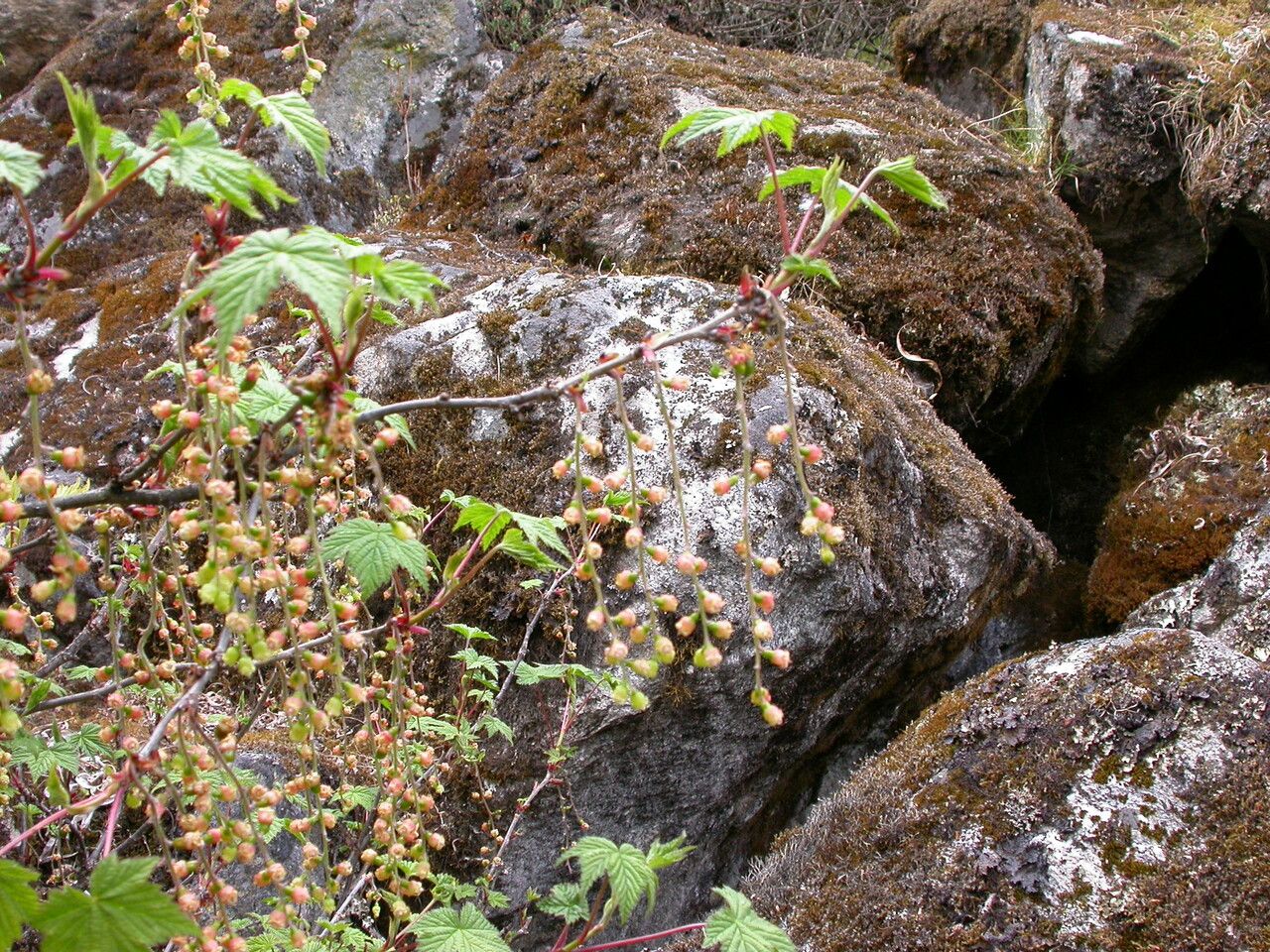
Unlocking the Secrets of Ribes griffithii: A Propagation Guide for Lush and Bountiful Berries
The Ribes griffithii, also known as the Himalayan black currant, is a treasure trove in the garden. Bursting with vibrant foliage, delicate blossoms, and juicy, tart berries, this deciduous shrub deserves a place of honor in any landscape. While obtaining a Ribes griffithii from a nursery might seem easiest, the satisfaction of propagating one yourself is unmatched. So, let’s dive into the exciting world of propagating this delightful plant, exploring the techniques that yield the best results.
Methods that Bear Fruit:
While Ribes griffithii offers a rewarding propagation journey, certain methods prove more successful than others. Here’s a closer look at the two most reliable techniques:
1. Hardwood Cuttings: This method reigns supreme in the realm of Ribes griffithii propagation. It involves taking cuttings from dormant, woody stems during the plant’s winter slumber. Here’s how you can achieve success:
- Timing is Key: Late fall or early winter, after leaf drop, is the ideal time for collecting hardwood cuttings.
- Making the Cut: Select healthy, one-year-old stems. Cut sections about 6-8 inches long, ensuring each cutting has at least 3-4 buds.
- Hormone Boost: Dip the bottom inch of each cutting in rooting hormone powder to encourage root development.
- Planting Time: Plant the cuttings in pots filled with a well-draining soil mix, burying two-thirds of their length.
- Patience is a Virtue: Over winter, keep the pots in a sheltered location with indirect light. By spring, you should see signs of new growth, indicating successful rooting.
2. Layering: Another effective technique is layering, which takes advantage of the plant’s natural ability to root from stems in contact with soil.
- Springtime Endeavors: Early spring, before new growth emerges, is the optimal time for layering.
- Selecting the Branch: Choose a flexible, low-growing branch that can easily reach the ground.
- Prepping the Branch: Make a small wound on the underside of the selected branch using a sharp, clean knife.
- Encouraging Root Development: Bury the wounded portion of the branch about 3-4 inches deep in the soil, securing it with a landscape pin or rock.
- Patience and Separation: Keep the soil consistently moist. By fall, the layered branch should have developed roots. You can then sever it from the parent plant and transplant it to its desired location.
Nurturing Your Propagated Plants:
Once your Ribes griffithii cuttings or layers have rooted, providing optimal growing conditions is crucial for their success:
- Sunlight and Soil: Choose a location with full sun to partial shade and well-drained soil.
- Watering Wisdom: Water regularly, especially during the first year, keeping the soil consistently moist but not waterlogged.
- Pest Patrol: Be vigilant against common pests like aphids and caterpillars, taking necessary measures to control infestations.
- Pruning for Health: Prune annually after fruiting to remove dead or diseased wood and encourage bushier growth.
Propagating your own Ribes griffithii is not only immensely satisfying but also allows you to expand your garden’s bounty without breaking the bank. So, embrace the adventure – with a little patience and the right know-how, you’ll be rewarded with a thriving patch of this remarkable berry-bearing beauty.