
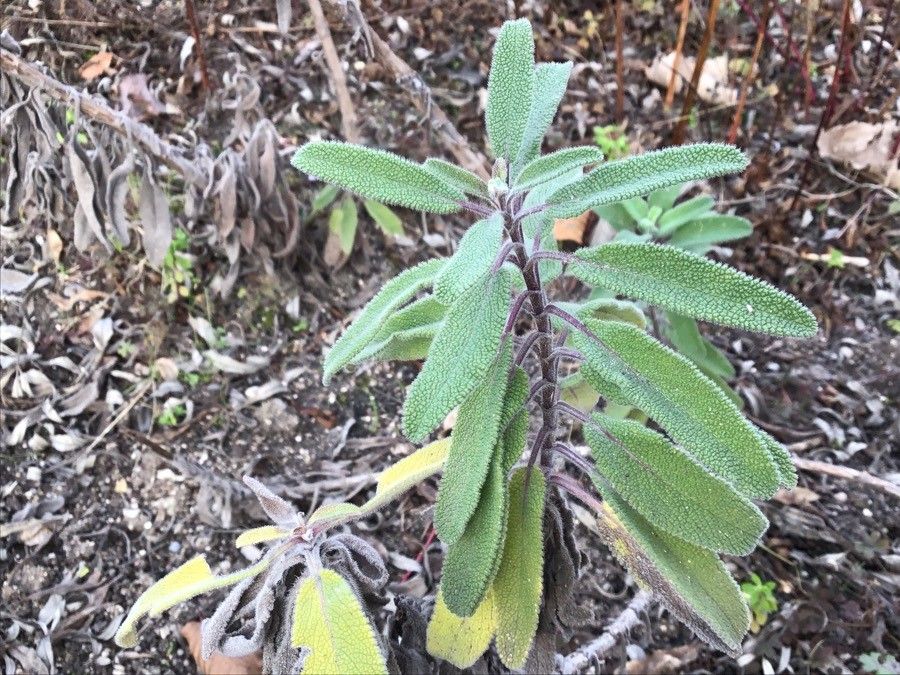
Igniting Your Garden: Propagating Majestic Salvia Candelabrum
Salvia candelabrum, also known as the Spanish Sage, is a showstopper in any garden. With its tall, elegant stems culminating in vivid purple blooms, this Mediterranean beauty attracts pollinators and admiring glances alike. If you’re lucky enough to have one gracing your space, you might be wondering how to multiply your good fortune. Thankfully, propagating Salvia candelabrum isn’t just achievable—it’s quite rewarding! Let’s explore two effective methods: taking stem cuttings and sowing seeds.
1. Setting Your Sights on Stem Cuttings
Stem cuttings offer a reliable way to clone your Salvia candelabrum, ensuring you get an identical replica. The best time to take cuttings is in late spring or early summer when the plant is actively growing.
Here’s how you can do it:
- Gather your tools: You’ll need a sharp, clean pair of pruning shears or a knife, a small pot, and a well-draining potting mix.
- Choose your cutting: Select a healthy, non-flowering stem that’s about 4-6 inches long.
- Make the cut: Cut just below a node (where the leaves are attached) at a slight angle.
- Prepare the cutting: Remove the lower leaves, leaving only a couple at the top. Dip the cut end in rooting hormone (optional, but recommended for faster results).
- Potting Time: Plant the cutting in your prepared pot, ensuring the leaf nodes are buried. Water gently and place it in a bright location out of direct sunlight.
- Patience is key: Keep the soil consistently moist but not soggy. After a few weeks, you should see new growth, indicating successful rooting. Once the cutting feels secure, you can gradually acclimate it to outdoor conditions before planting it in its permanent spot.
2. Sowing the Seeds of Success
Propagating Salvia candelabrum from seed is an adventurous alternative, potentially yielding multiple plants and occasionally even unique variations.
Embrace the Seed Starting Saga:
- Timing is everything: Sow seeds indoors in late winter or early spring.
- Prepare the seedbed: Fill seed trays or small pots with a seed starting mix, moistening it evenly.
- Sow the seeds: Sprinkle the tiny seeds over the surface, pressing them gently without burying them deeply. Light is crucial for germination.
- Warmth and Humidity: Cover the trays with a plastic dome or wrap to create a warm, humid environment. Place them in a bright spot, but out of direct sunlight.
- Germination Celebration: Be patient; germination can take 2-4 weeks. Once seedlings emerge, remove the cover and keep the soil lightly moist.
- Thinning the Herd: If multiple seedlings sprout in one cell, thin them out, leaving the strongest one.
- Transplanting Time: When seedlings have developed a couple of true leaves, transplant them into individual pots filled with well-draining potting mix.
- Acclimatize and Plant: Gradually acclimate the seedlings to outdoor conditions before planting them in their final location after the last frost has passed.
Reaping the Rewards of Your Labor
Whether you choose to propagate through cuttings or seeds, the sight of new Salvia candelabrum thriving in your garden is immensely satisfying. Remember to provide them with well-drained soil, ample sunlight, and moderate watering to ensure their continued growth and vibrant blooms. Soon, you’ll have a flourishing display of these majestic beauties, igniting your garden with color and life.