
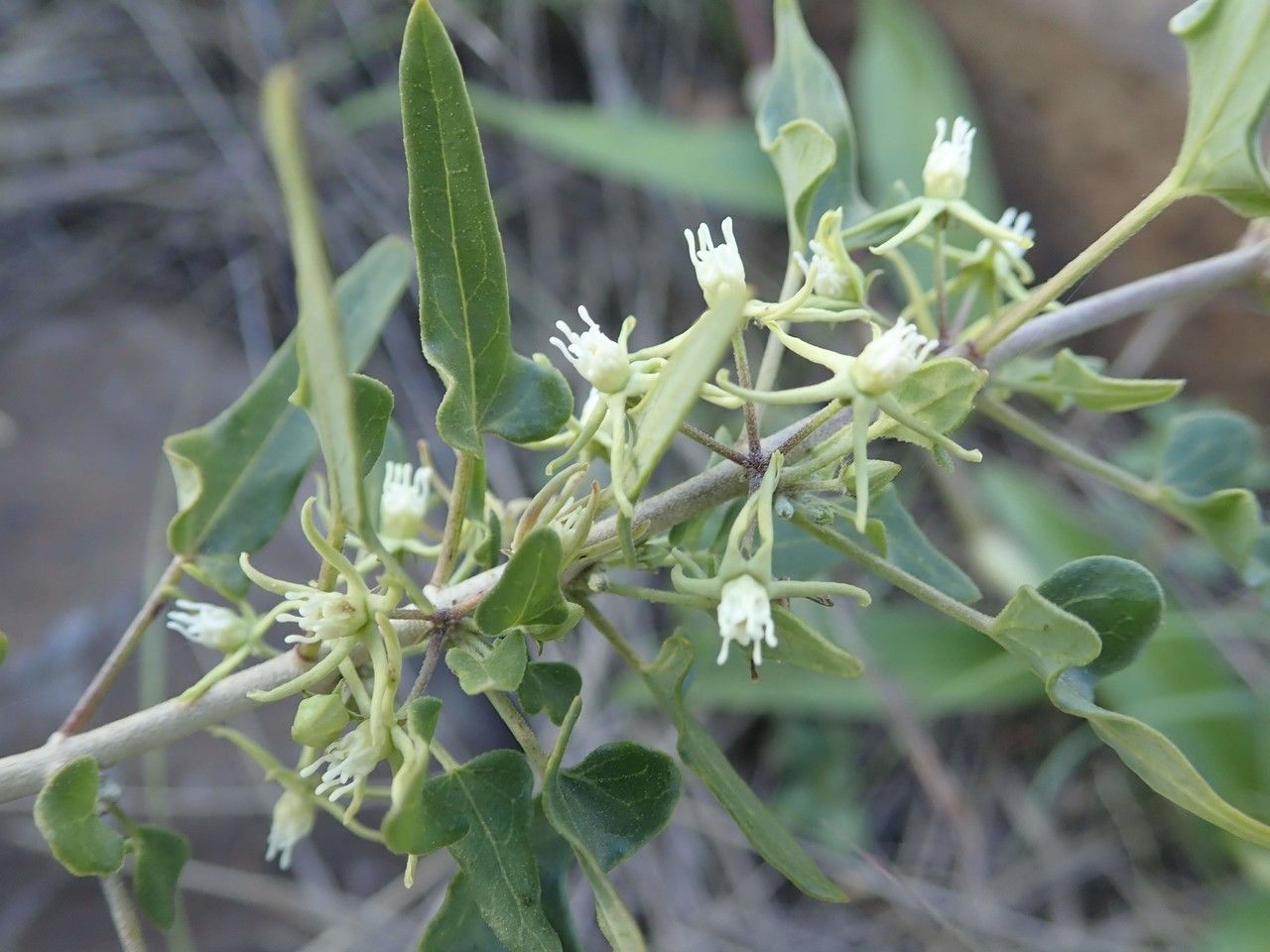
Hearts on a Vine: Propagating the Elegant Cynanchum hastifolium
Cynanchum hastifolium, also known by its charming nickname “Tiny Hearts on a Vine”, is a unique climbing plant cherished for its delicate heart-shaped leaves and delicate, star-shaped blooms. Though relatively easy to care for, successfully propagating this beauty can seem like a mystery. Fear not, fellow plant enthusiasts, for this guide will demystify the process and equip you with the knowledge to expand your Cynanchum collection!
Understanding the Plant
Before we delve into the “how-to”, understanding the plant’s nature is key. Cynanchum hastifolium is a herbaceous vine, meaning its stems die back in colder climates but resprout from the roots in spring. This characteristic hints at its remarkable resilience, a trait reflected in its propagation.
Propagation Methods:
While seeds exist, the most common and successful propagation method for Cynanchum hastifolium is through cuttings. This method capitalizes on the plant’s natural ability to regenerate from stem sections.
1. Timing is Everything:
The ideal time to take cuttings is during the growing season, specifically in late spring or early summer. This timing ensures the plant is actively channeling energy towards new growth, maximizing the chances of successful rooting.
2. Taking the Cutting:
- Select a healthy, non-flowering stem that’s exhibiting vigorous growth.
- Using a sharp, sterilized knife or shears, cut a section about 4-6 inches long, just below a leaf node.
- Remove the leaves from the bottom inch or two of the cutting.
3. Rooting Hormone – A Helping Hand (Optional but Recommended):
- While not mandatory, dipping the cut end of the stem in rooting hormone powder significantly improves the success rate, as it encourages faster root development.
4. Planting the Cutting:
- You can choose to root your cuttings in water or directly in a well-draining potting mix.
- Water: Place the cutting in a glass or jar with the bottom node submerged in water. Ensure the water remains clean and change it every few days.
- Potting Mix: Fill a small pot with a well-draining mix, make a small hole with your finger or a pencil, and gently insert the cutting. Firmly press the soil around the base.
5. Creating a Humid Environment:
- Cover the pot with a clear plastic bag or use a humidity dome to create a mini greenhouse. This helps retain moisture and improve rooting success.
6. Patience is Key:
- Place the pot in a warm, bright location, out of direct sunlight.
- Depending on the environment, rooting can take several weeks. Resist the urge to tug on the cutting, as this can damage developing roots.
7. Signs of Success:
- Once you see new growth on the cutting, it’s a good sign that roots have developed. You can gently tug on the cutting – resistance signifies successful rooting.
Transplanting:
- Once the cutting has established a healthy root system, carefully transplant it to a larger pot or, if the weather allows, directly into your garden.
- Choose a location with well-drained soil and partial shade to mimic its natural habitat.
A Rewarding Endeavor:
Propagating your own Cynanchum hastifolium is a rewarding experience. Not only does it save you money, but it also allows you to multiply these charming plants, sharing their beauty with fellow gardening enthusiasts. With a little patience and the right approach, you’ll be well on your way to creating a thriving collection of these enchanting “Tiny Hearts on a Vine”.