
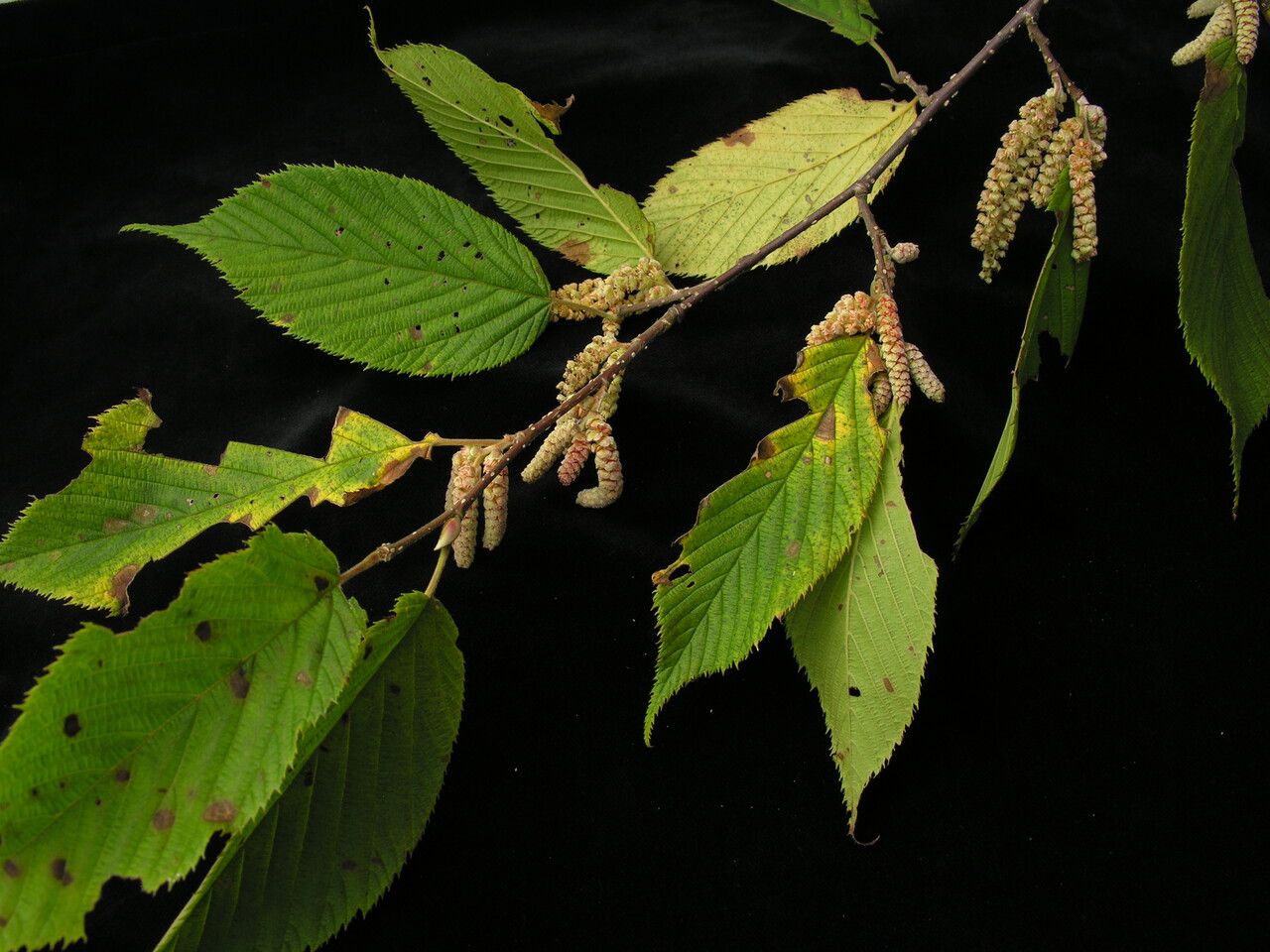
Taming the Himalayan Hazel: A Guide to Propagating Corylus ferox
The Himalayan Hazel, known scientifically as Corylus ferox, isn’t your typical garden variety hazelnut. This intriguing species, with its spiky fruit husks and penchant for high altitudes, offers a unique appeal for adventurous gardeners seeking something out of the ordinary. But how exactly do you go about growing this fascinating tree? Let’s delve into the world of Corylus ferox propagation, exploring the different methods and what it takes to cultivate this captivating hazel from the Himalayas.
Seed Propagation: Embracing the Challenge
Propagating Corylus ferox from seed is a rewarding, albeit lengthy, endeavor. Here’s how to tip the odds in your favor:
Seed Collection and Preparation: Obtain fresh seeds from ripe fruits, ideally collected directly from a tree. These fruits are easily identifiable by their unique, spiky husks. Remove the seeds and soak them in water for 24-48 hours to improve germination rates.
Stratification: Mimicking Nature’s Rhythm: Corylus ferox seeds require a period of cold stratification to break dormancy. This process involves mimicking the natural winter conditions the seeds would experience in their native habitat. Place the seeds in a moist medium like vermiculite or sand, seal them in a plastic bag, and store them in the refrigerator (33-41°F or 1-5°C) for 90-120 days.
- Sowing and Germination: After stratification, sow the seeds in a well-draining seed starting mix, covering them with a thin layer of the medium. Keep the soil consistently moist but not waterlogged, and provide bright, indirect light. Be patient – germination can be erratic and may take several weeks to months.
Vegetative Propagation: Faster Results for Impatient Gardeners
For quicker results and to preserve desirable traits of specific trees, explore these vegetative propagation techniques:
Cuttings: Take hardwood cuttings, about 6-8 inches long, from healthy, dormant branches in late fall or early winter. Dip the cut ends in rooting hormone to promote root development and plant them in a moist, well-draining medium. Provide bottom heat and maintain humidity around the cuttings to encourage rooting.
- Layering: This technique involves bending a low-growing branch to the ground and making a small wound on the underside. Bury the wounded section in the soil, ensuring it stays moist. Over time, roots will develop from the wounded area, allowing you to separate the newly rooted branch from the parent plant.
Caring for Your Himalayan Hazel Progeny
Whether you choose the rewarding journey of seed propagation or the efficiency of vegetative methods, providing optimal growing conditions is paramount for successful Corylus ferox cultivation:
Sunlight: Plant your Himalayan Hazel in a location that receives full sun to partial shade.
Soil: Choose a well-draining soil with slightly acidic to neutral pH.
Watering: Keep the soil consistently moist, especially during the first few years after planting.
Fertilization: Apply a balanced fertilizer in spring to support healthy growth.
- Pruning: Prune in late winter or early spring to remove any dead, diseased, or crossing branches and to shape the tree.
The Rewards of Patience
Propagating Corylus ferox might require some dedication, but the rewards are manifold. Imagine the satisfaction of watching your very own Himalayan Hazel flourish, its distinctive foliage and striking fruit husks a testament to your horticultural prowess. Whether you’re a seasoned gardener or a curious beginner, let the challenge of Corylus ferox propagation ignite your passion for the wonders of the plant world.